
Intergranular Corrosion: What It Is and How to Prevent It
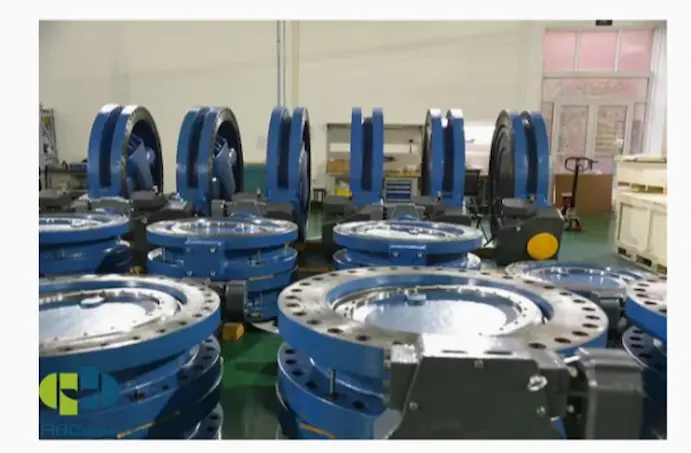
Learn what intergranular corrosion is, why it occurs along metal grain boundaries, and how it can weaken stainless steel valves used in chemical, high-temperature, oil and gas, water treatment, and industrial process systems. This guide explains stainless steel sensitization, chromium carbide precipitation, weld heat-affected zones, low-carbon stainless steel, stabilized grades, nickel alloys, passivation, coating limitations, inspection methods, and material selection practices for reducing intergranular corrosion risk in industrial valves.
How Coatings Help Prevent Scaling on Gate Valves
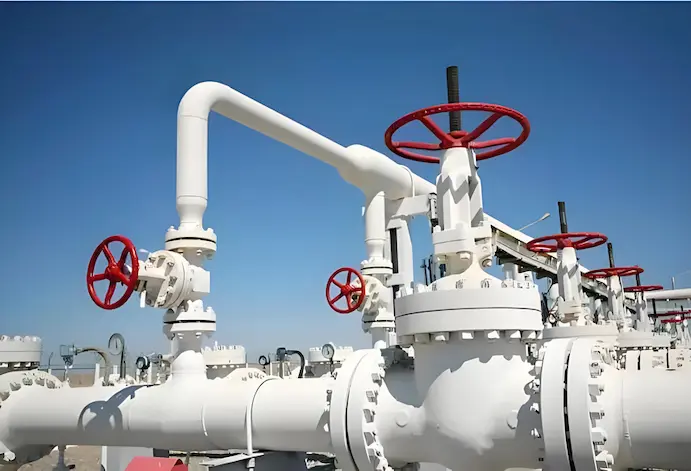
Learn how scaling affects gate valve operation in water treatment, industrial water, chemical, oil and gas, and mineral-rich pipeline systems. This guide explains how scale deposits can cause sticking, incomplete opening or closing, increased torque, leakage risk, and maintenance problems, while covering coating options such as epoxy, ceramic, and fluoropolymer coatings, fluid-chemistry control, inspection routines, cleaning practices, coating limitations, and key selection factors for coated gate valves.
How Ball Valves Work in Hazardous Locations: Key Insights
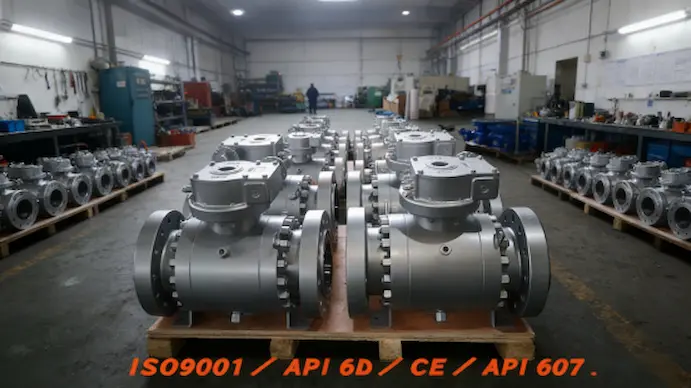
Learn how ball valves are selected for hazardous locations involving flammable gases, vapors, combustible dust, corrosive media, high pressure, or fire-risk service. This guide explains fire-safe ball valve design, anti-static structure, material selection, soft-seat and metal-seat limitations, explosion-proof electric actuators, pneumatic automation, ATEX, IECEx, API 607, leakage testing, emergency shutoff requirements, and key selection factors for oil and gas, chemical processing, refineries, offshore platforms, and hazardous industrial pipeline systems.
Butterfly Valve Disc Material Selection Guide
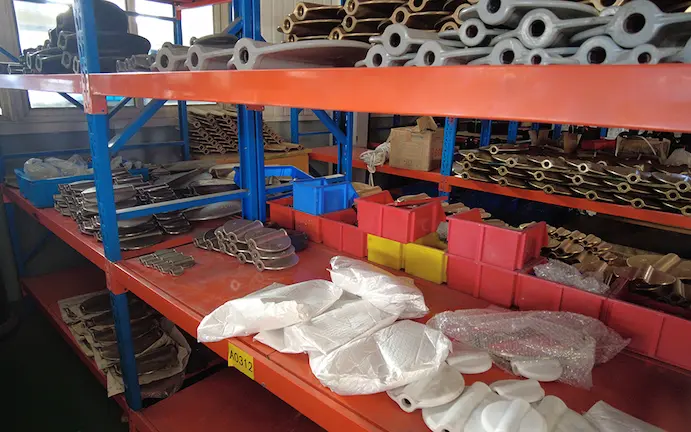
Compare common butterfly valve disc materials—including epoxy-coated ductile iron, stainless steel, aluminum bronze, and coated discs—by corrosion resistance, mechanical strength, operating torque, temperature capability, cost, and media compatibility. Epoxy-coated ductile iron suits water and HVAC systems, stainless steel is preferred for chemical and hygienic service, and aluminum bronze provides strong seawater resistance for marine and offshore applications
Ductile Iron vs Cast Steel Valves | Material Selection Guide
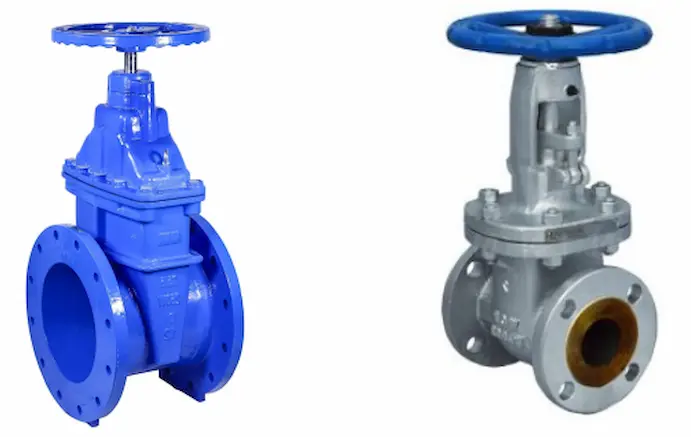
Compare ductile iron and cast steel valves by mechanical strength, pressure and temperature capability, corrosion protection, weight, cost, standards, and application. Ductile iron valves provide a lighter and more economical solution for water supply, wastewater, HVAC, and moderate-pressure systems, while cast steel valves offer greater strength and reliability for high-pressure, high-temperature, steam, oil and gas, petrochemical, and other demanding industrial services.
Hastelloy vs Titanium Valves: 5 Critical RFQ Checks
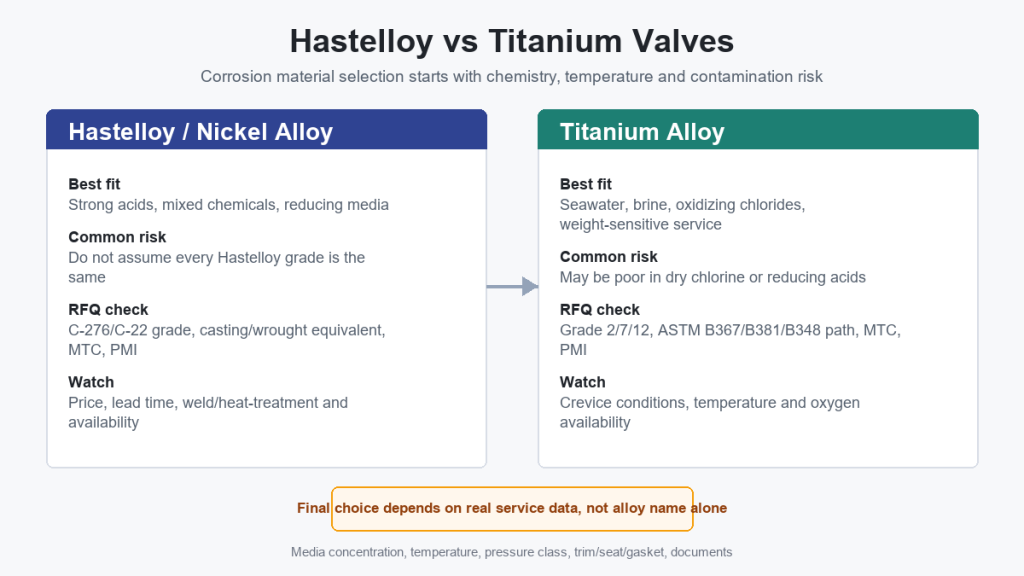
Compare Hastelloy vs titanium valves by acid, chloride, seawater, temperature, pressure class, trim, documents, cost and RFQ risk.
Stainless Steel vs Carbon Steel Valves: Material Selection Guide
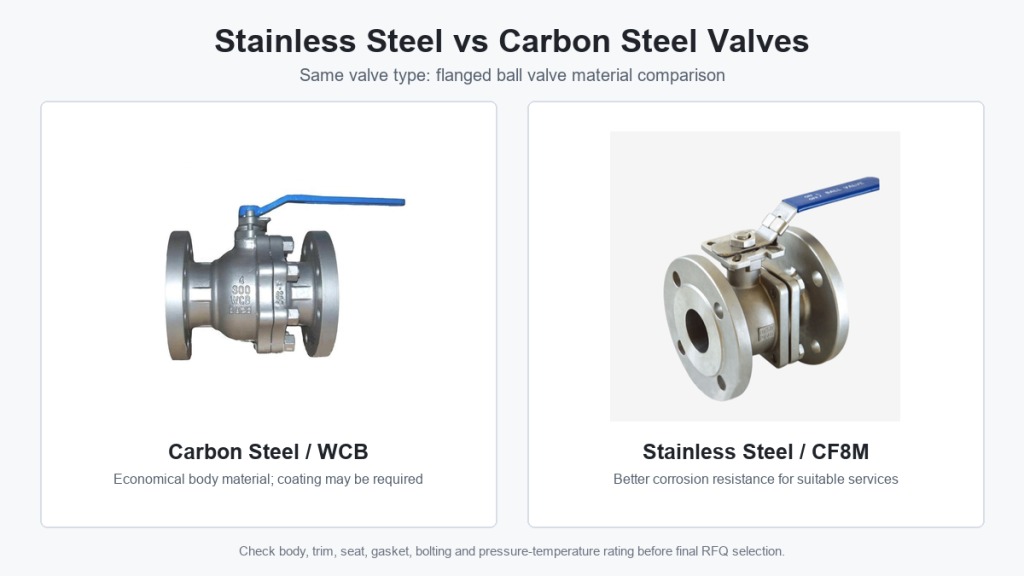
Compare stainless steel vs carbon steel valves by WCB, CF8/CF8M, chloride risk, sour service, coating, pressure-temperature rating and RFQ documents.