
How Ball Valves Work in Hazardous Locations: Key Insights
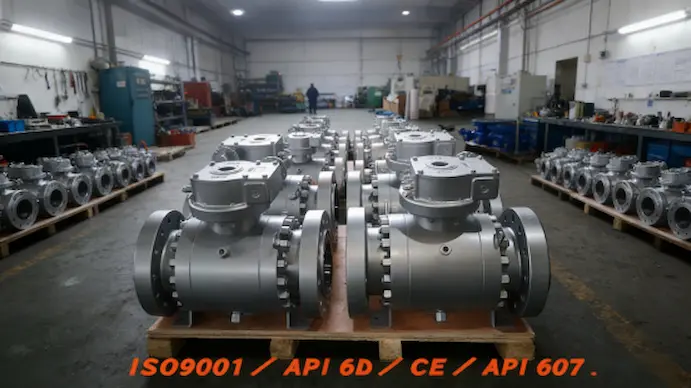
Learn how ball valves are selected for hazardous locations involving flammable gases, vapors, combustible dust, corrosive media, high pressure, or fire-risk service. This guide explains fire-safe ball valve design, anti-static structure, material selection, soft-seat and metal-seat limitations, explosion-proof electric actuators, pneumatic automation, ATEX, IECEx, API 607, leakage testing, emergency shutoff requirements, and key selection factors for oil and gas, chemical processing, refineries, offshore platforms, and hazardous industrial pipeline systems.
Anti-Blowout Stem in Ball Valves: Safety Design and Selection Guide
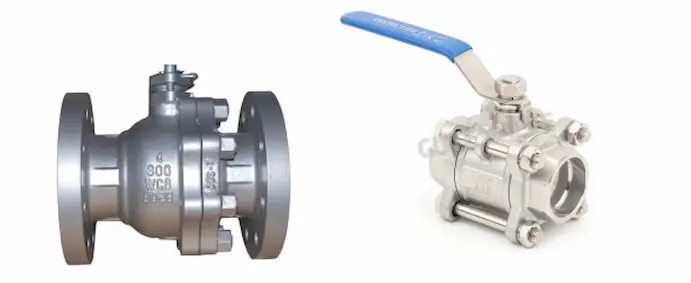
Learn why anti-blowout stems are an essential safety feature in industrial ball valves. The guide explains how an internally retained stem design prevents pressure-driven stem ejection, how floating and trunnion ball valves can incorporate stem retention, and what buyers should verify through cross-section drawings, applicable API or ISO standards, fire-safe requirements, pressure-temperature ratings, material records, and inspection documentation.