
Industrial Valve Design Considerations: 10 Key Factors
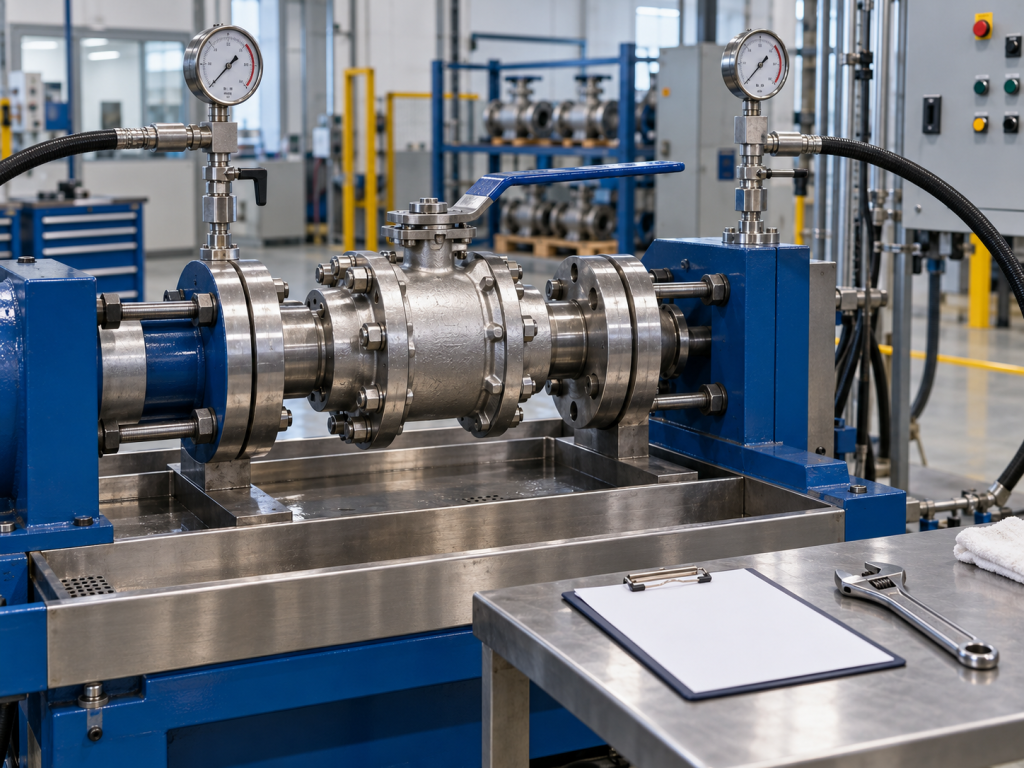
Industrial Valve Design Considerations: 10 Engineering Factors for Reliable Valve Selection and Customization Industrial valve design is not simply the process of choosing a body shape and assigning a pressure class. A valve must convert process conditions into a pressure boundary, flow path, sealing system, operating mechanism and inspection plan that can work together under […]
Brass Valves vs Bronze Valves: Key Differences
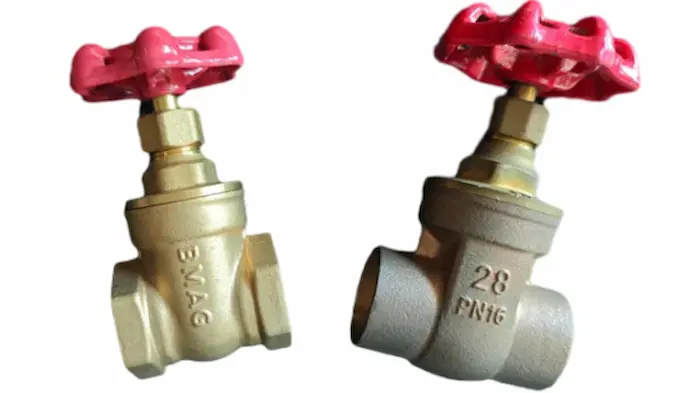
Compare brass and bronze valves by material composition, corrosion resistance, strength, cost, and typical applications. Brass valves are commonly selected for general water, air, and HVAC systems, while bronze valves offer better durability in seawater, marine, and more corrosive operating environments.
Understanding the Butterfly Valve Bolt Chart
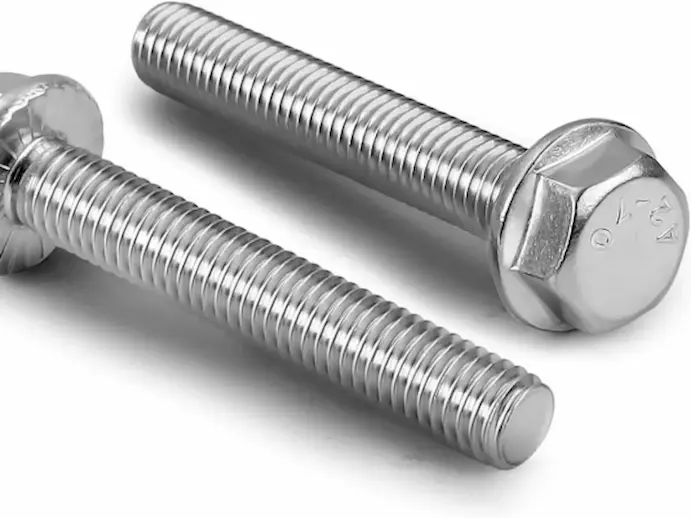
Learn how to read a butterfly valve bolt chart and select the correct bolt diameter, length, quantity, material, and tightening torque for different valve sizes and flange configurations. The guide explains how proper bolt selection, material compatibility, alignment, and controlled tightening help prevent flange leakage, gasket damage, valve-body distortion, and premature installation failure.
What are Hydraulic Check Valves and How Do They Work?
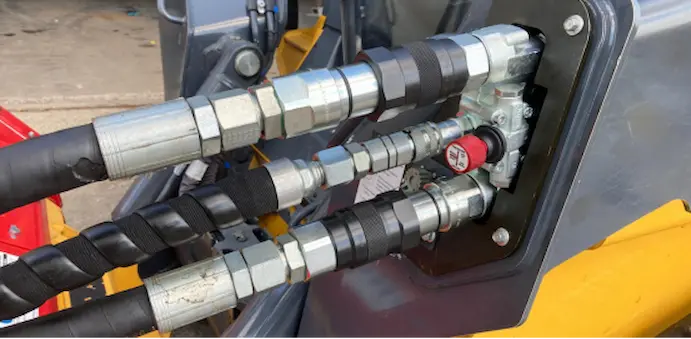
Learn how hydraulic check valves automatically allow fluid to flow in one direction while preventing reverse flow, pressure loss, and damage to pumps, seals, and other hydraulic components. The guide explains their working principle, common applications, material options, pressure and flow considerations, and the importance of correct sizing, sealing, and routine maintenance.
Slip Ball Valve vs Ball Valve: Key Differences
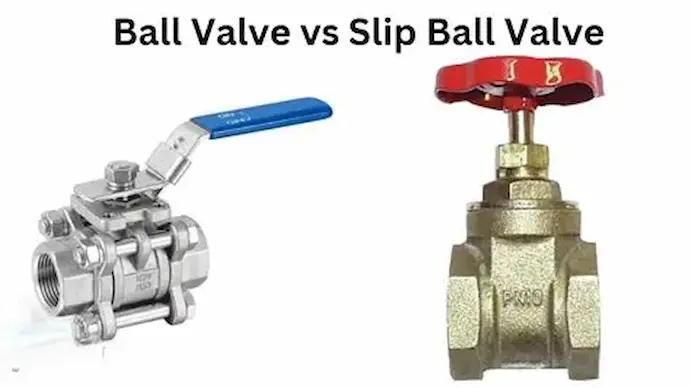
Compare slip ball valves and conventional ball valves by flow-control method, sealing performance, pressure capability, maintenance, and application. Slip ball valves are designed for adjustable flow regulation, while standard ball valves provide reliable full-open or full-closed isolation for water, gas, oil, and industrial pipelines.
Tapping Valve vs Gate Valve: Key Differences and Applications
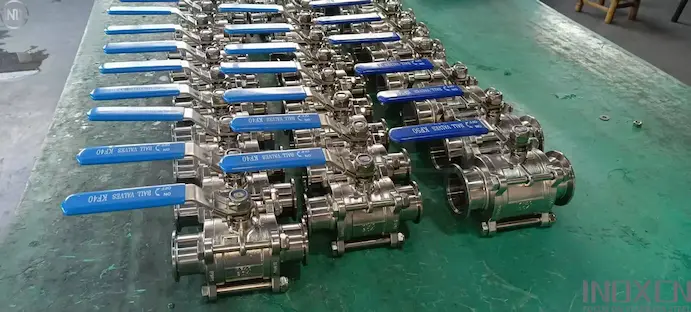
Compare tapping valves and gate valves by function, installation method, sealing requirements, maintenance, and application. Tapping valves are designed for adding branches or connection points to live pipelines without interrupting service, while gate valves are primarily used for full-flow isolation and shutoff in water, oil, gas, and industrial piping systems.
Vacuum Ball Valve vs Regular Ball Valve: Key Differences
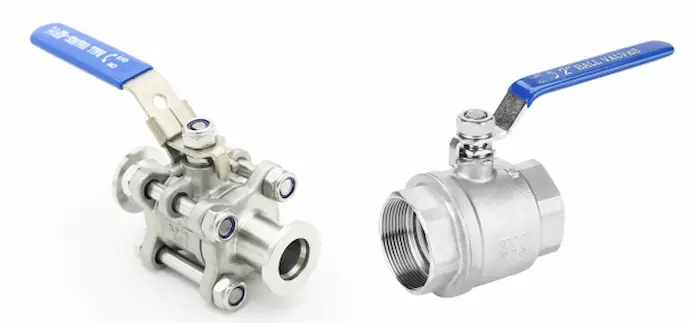
Compare vacuum ball valves and regular ball valves by sealing design, pressure conditions, leakage control, cost, and application. Vacuum ball valves provide tighter sealing for vacuum, laboratory, pharmaceutical, and packaging systems, while regular ball valves are generally more economical for pressurized water, oil, gas, and industrial pipelines.
Non-Lubricated Plug Valve vs Lubricated Plug Valve: Which is Best for Your Application?
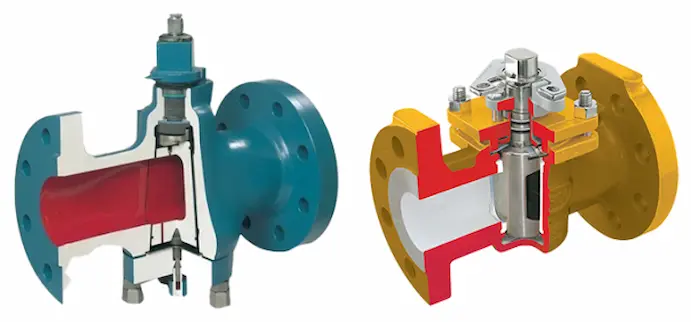
Compare non-lubricated and lubricated plug valves by sealing design, operating torque, pressure and temperature capability, maintenance, contamination risk, and application. Non-lubricated plug valves suit cleaner, low- to medium-pressure services where lubricant contamination is undesirable, while lubricated plug valves provide smoother operation and stronger sealing for demanding high-pressure and high-temperature industrial systems.
Why Ball Valves are the Best Choice for Gases
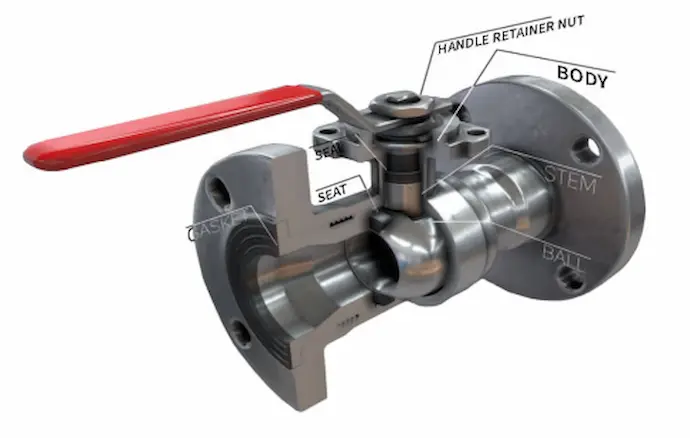
Learn why ball valves are widely used for natural gas, industrial gas, biogas, and other pressurized gas systems. The guide explains their quarter-turn operation, tight shutoff, low flow resistance, pressure capability, material options, and key selection factors for reducing leakage and maintaining safe, reliable gas isolation.
Overview of Valve Bonnets: Crucial Parts of Industrial Valves
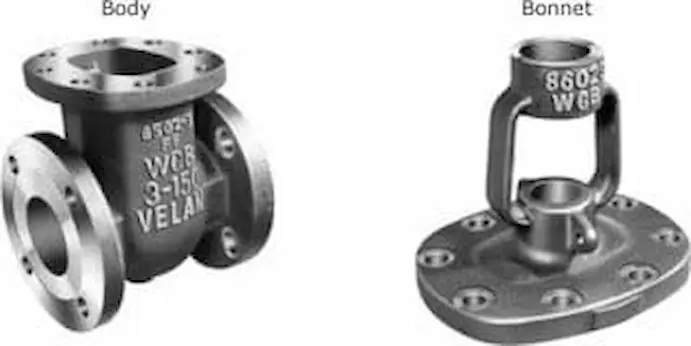
Learn how valve bonnets form the upper pressure boundary of industrial valves while supporting the stem, packing, sealing components, and operating mechanism. The guide compares bolted, welded, and union bonnet designs and explains how pressure, temperature, corrosion resistance, sealing integrity, material selection, and maintenance requirements affect bonnet selection and valve reliability.
Concentric vs Eccentric Butterfly Valve
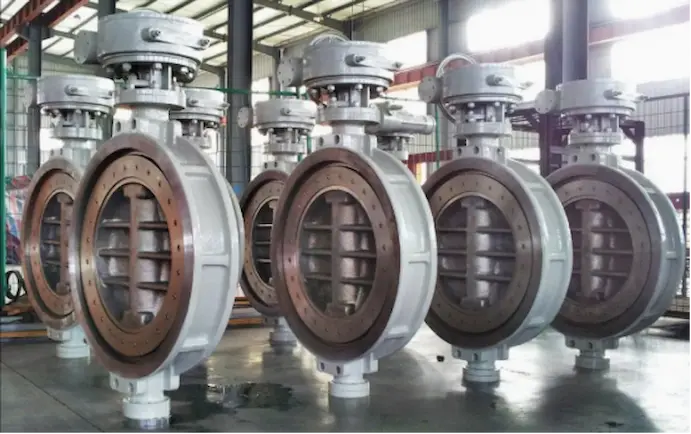
Compare concentric and eccentric butterfly valves by shaft position, seat contact, sealing design, operating torque, pressure and temperature capability, service life, and application. Concentric butterfly valves provide a simple, economical solution for water, HVAC, and low-pressure utility systems, while double- and triple-eccentric designs reduce seat friction and offer more durable sealing for steam, gas, chemical processing, power generation, and other demanding services.
Sluice Valve vs Gate Valve: Key Differences Explained
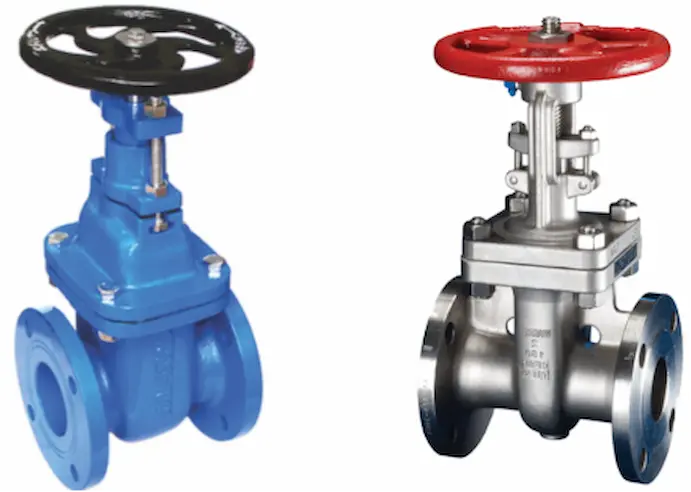
Compare sluice valves and gate valves by gate structure, media compatibility, debris resistance, sealing performance, maintenance, and application. Sluice valves are better suited to wastewater, sludge, slurry, and solids-bearing media, while conventional gate valves provide economical, low-resistance isolation for clean water, oil, gas, steam, and general industrial pipelines.