
Plug Valve vs Ball Valve: Key Differences & Applications
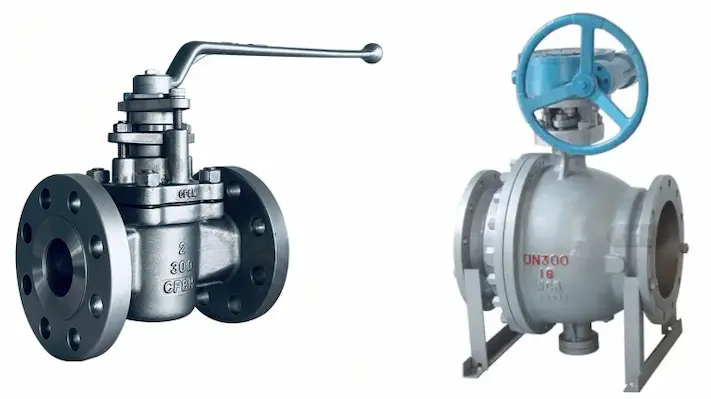
Compare plug valves and ball valves by closure design, sealing performance, pressure drop, operating torque, maintenance, and media compatibility. Ball valves provide tight shutoff, low flow resistance, and easy automation for water, oil, gas, and high-pressure pipelines, while plug valves are better suited to throttling, slurry, abrasive media, and corrosive heavy-duty services.
Needle Valve vs Ball Valve: Full Comparison Guide
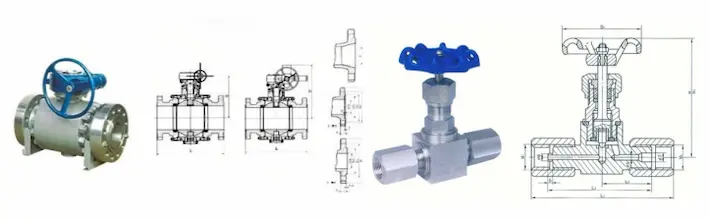
Compare needle valves and ball valves by flow-control precision, pressure drop, operating method, shutoff performance, and application. Needle valves provide fine, gradual adjustment for instrumentation, calibration, sampling, and low-flow control systems, while ball valves offer rapid quarter-turn operation, low flow resistance, and reliable isolation for water, oil, gas, and general industrial pipelines.
Globe Valves vs Gate Valves: Differences & Applications
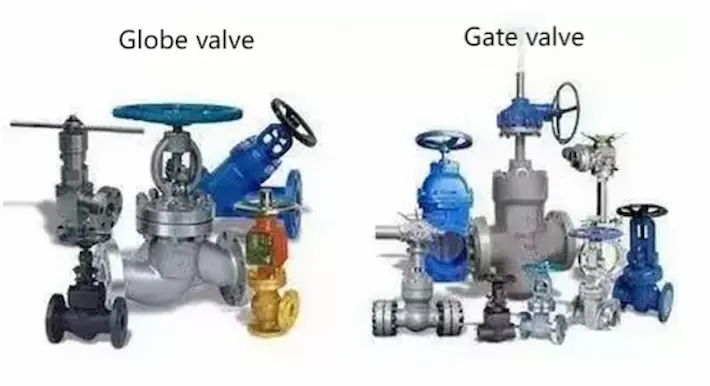
Compare globe valves and gate valves by flow path, throttling performance, pressure loss, operating frequency, sealing, and application. Globe valves provide accurate flow regulation and frequent operation for steam, fuel, and process-control lines, while gate valves offer straight-through flow and minimal pressure loss for full-open or full-closed isolation in water, fire-protection, and transmission pipelines.
Vacuum Breaker vs Check Valve: Key Differences Explained
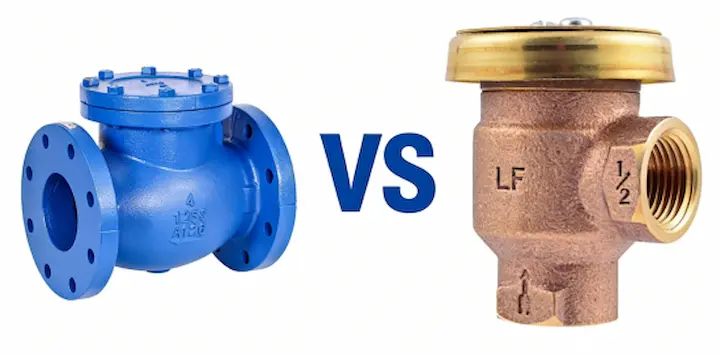
Learn the difference between a vacuum breaker and a check valve, including vacuum protection, siphon prevention, backflow control, installation points and selection checks.
How Plug Valves Differ from Gate Valves
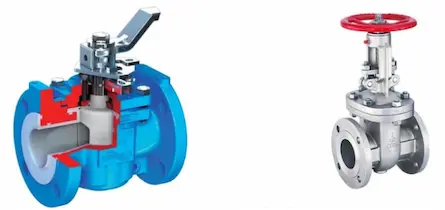
Compare plug valves and gate valves by operating motion, sealing structure, flow resistance, maintenance, and media compatibility. Plug valves provide fast quarter-turn shutoff and are well suited to viscous, dirty, or slightly abrasive fluids, while gate valves provide unobstructed full-bore flow with very low pressure loss for clean water, gas, steam, and general pipeline isolation.
Which Valve Should Never Be Used for Flow Control?
Quick Summary flow control. Many valves excel at shut-off or isolation but falter when precise fluid regulation is needed. This guide breaks down which valves to steer clear of for flow management, explains the risks of poor selection, and highlights the top performers to keep your process system running smoothly. Imagine you are tasked with […]
Should Butterfly Valves Be the Control Valves in Your Process? | Benefits & Considerations
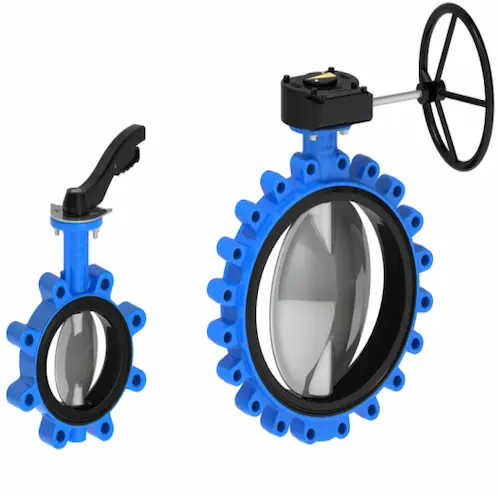
Quick Summary Butterfly valves are versatile flow control devices widely used in industries such as water treatment, HVAC, and chemical processing. But can they serve as the control valves in your process? In this article, we explore their performance, advantages, and limitations in control applications. Imagine a large manufacturing facility where precise flow control is […]
Bronze Valve Selection: 9 Best Industrial Tips

Use this bronze valve selection guide to match material grade, pressure, connection, seawater exposure, media, and maintenance needs in industrial service.