
What are Hydraulic Check Valves and How Do They Work?
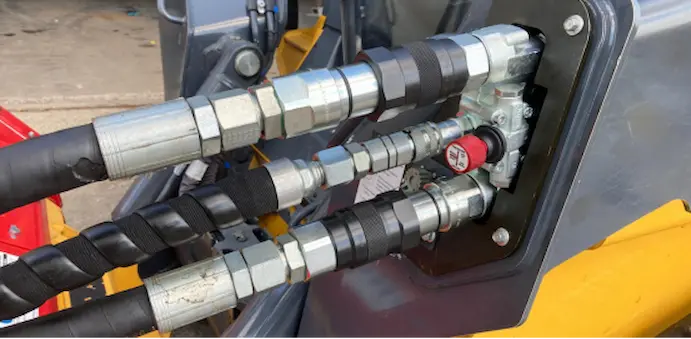
Learn how hydraulic check valves automatically allow fluid to flow in one direction while preventing reverse flow, pressure loss, and damage to pumps, seals, and other hydraulic components. The guide explains their working principle, common applications, material options, pressure and flow considerations, and the importance of correct sizing, sealing, and routine maintenance.
Non-Lubricated Plug Valve vs Lubricated Plug Valve: Which is Best for Your Application?
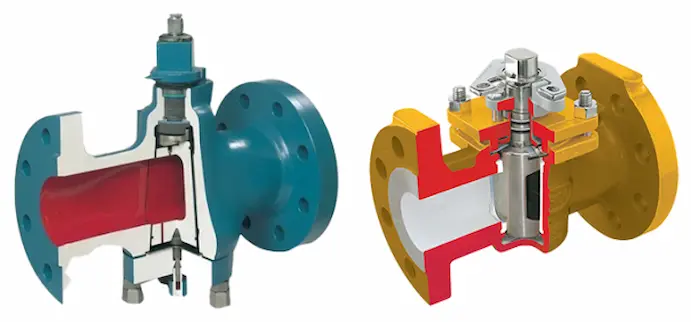
Compare non-lubricated and lubricated plug valves by sealing design, operating torque, pressure and temperature capability, maintenance, contamination risk, and application. Non-lubricated plug valves suit cleaner, low- to medium-pressure services where lubricant contamination is undesirable, while lubricated plug valves provide smoother operation and stronger sealing for demanding high-pressure and high-temperature industrial systems.
Flush Bottom Valve: Definition, Types, Components, Working, and Advantages
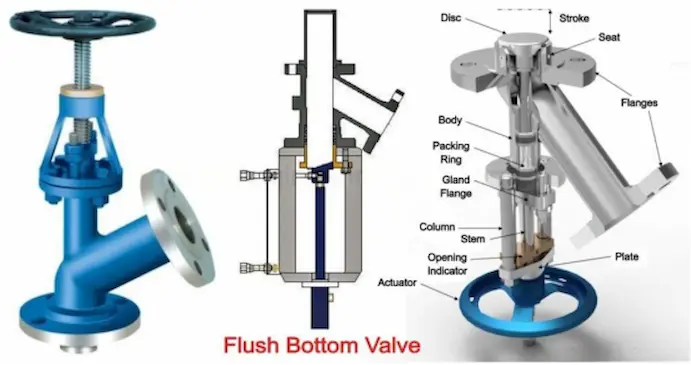
Learn how flush bottom valves provide complete and controlled discharge from tanks, reactors, and process vessels while reducing residue accumulation, contamination, and flow blockage. The guide explains common valve types, components, operating principles, advantages, and selection factors for viscous liquids, slurries, volatile fluids, and other demanding process media.
What is the Difference Between Butterfly Valve and Butterfly Check Valve?
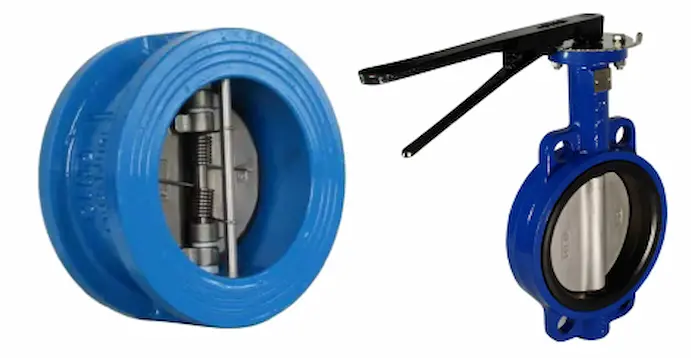
Compare butterfly valves and butterfly check valves by operating function, disc movement, flow direction, installation, maintenance, and application. Butterfly valves are manually or automatically operated for pipeline isolation and throttling, while butterfly check valves operate automatically to allow one-way flow and prevent reverse flow in water, cooling, HVAC, chemical, and industrial piping systems.
Flanged Valves vs. Screwed Valves: How to Choose the Right Valve for Your Application
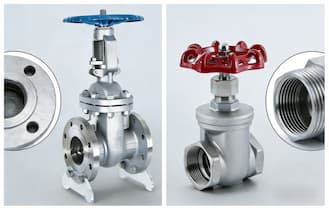
Compare flanged and screwed valves by connection type, pressure and temperature capability, sealing reliability, installation, maintenance, and cost. Flanged valves are better suited to large-diameter, high-pressure, high-temperature, corrosive, and frequently maintained industrial pipelines, while screwed valves provide a compact and economical solution for smaller, moderate-pressure water, air, HVAC, and general utility systems.
How to Tell If a Valve Is Open or Closed: Position Indicator Guide
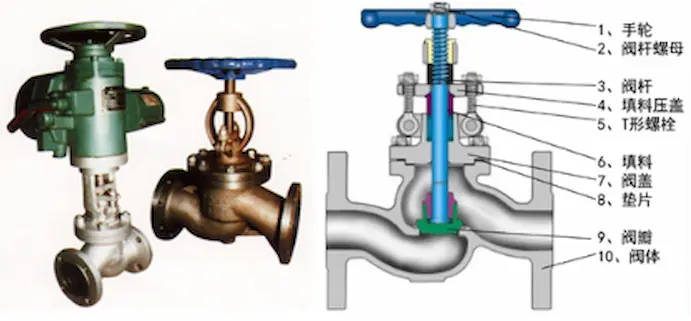
Learn how to determine whether a valve is open, closed, or partially open by checking handle direction, stem position, handwheel travel, actuator indicators, position feedback, flow response, and operating records. The guide explains common valve position indicators for ball valves, gate valves, globe valves, check valves, and automated valves, while highlighting inspection, maintenance, lockout/tagout, and safety practices that help prevent misoperation in industrial, HVAC, plumbing, and process systems.
Brass Check Valve Guide: Types, Applications and Selection
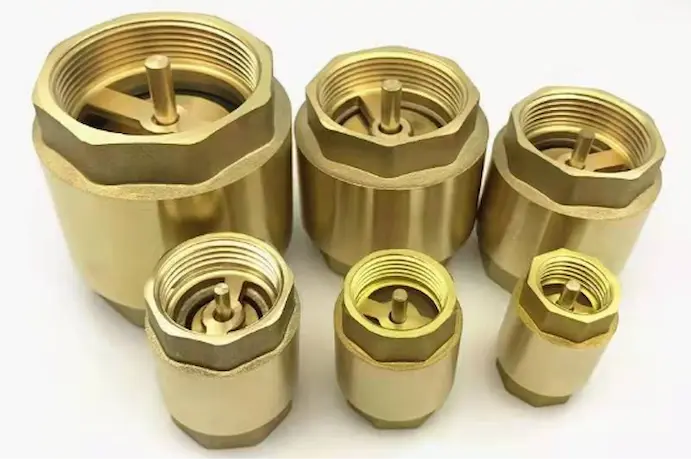
Learn how brass check valves prevent reverse flow in water, HVAC, plumbing, gas, and light industrial piping systems. The guide explains swing, lift, ball, and spring-loaded check valve types, brass and lead-free brass material considerations, pressure-temperature ratings, flow direction, installation orientation, debris sensitivity, pressure drop, maintenance inspection, and key selection factors for reliable backflow prevention.
Backflow Preventer vs Check Valve: Which One is Right for You?
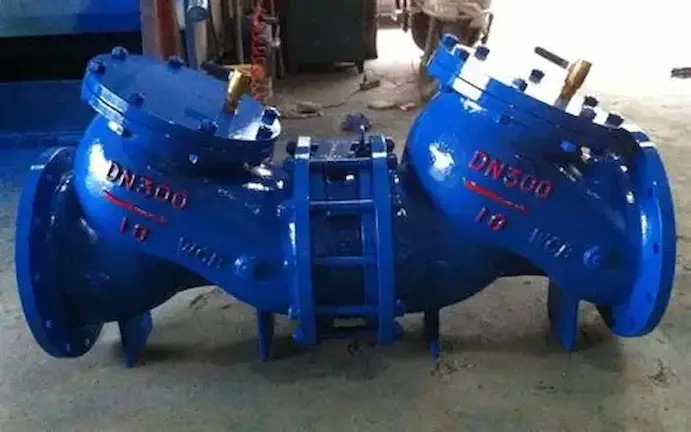
Compare backflow preventers and check valves by protection level, internal design, testing requirements, cost, and application. Backflow preventers use multiple protective components to safeguard potable water from backsiphonage and backpressure contamination, while check valves provide simpler one-way flow control for pumps, HVAC, fire protection, and general industrial pipelines.
Types of 3-Way Valves and Their Applications: A Complete Guide for Industrial Use
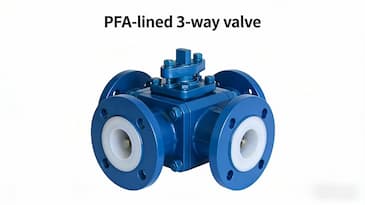
Quick Summary In this article, we will explore the different types of 3-way valves, their applications, and how they perform in various industrial environments. By understanding the key differences between these valves, you can make informed decisions about which is best suited for your operational needs. Whether you’re working in chemical processing, water treatment, or […]
Which is better, a Swing Check Valve or a Spring Check Valve?

Quick Summary When choosing between a swing check valve and a spring check valve, the decision often depends on specific application needs. Each type of valve has distinct advantages in terms of flow control, installation requirements, and maintenance. In this article, we’ll break down the key differences and help you choose the right valve for […]