
Brass Valves vs Bronze Valves: Key Differences
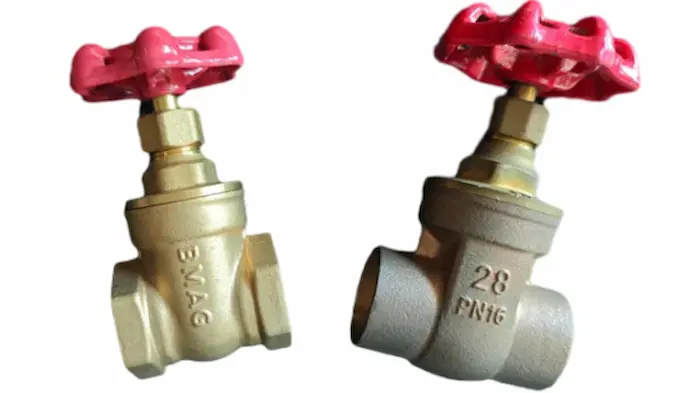
Compare brass and bronze valves by material composition, corrosion resistance, strength, cost, and typical applications. Brass valves are commonly selected for general water, air, and HVAC systems, while bronze valves offer better durability in seawater, marine, and more corrosive operating environments.
What are Hydraulic Check Valves and How Do They Work?
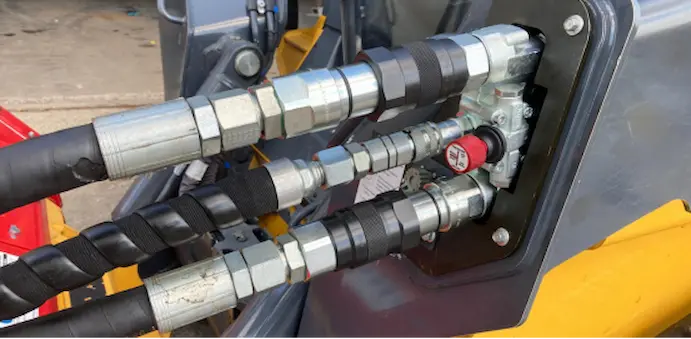
Learn how hydraulic check valves automatically allow fluid to flow in one direction while preventing reverse flow, pressure loss, and damage to pumps, seals, and other hydraulic components. The guide explains their working principle, common applications, material options, pressure and flow considerations, and the importance of correct sizing, sealing, and routine maintenance.
Slip Ball Valve vs Ball Valve: Key Differences
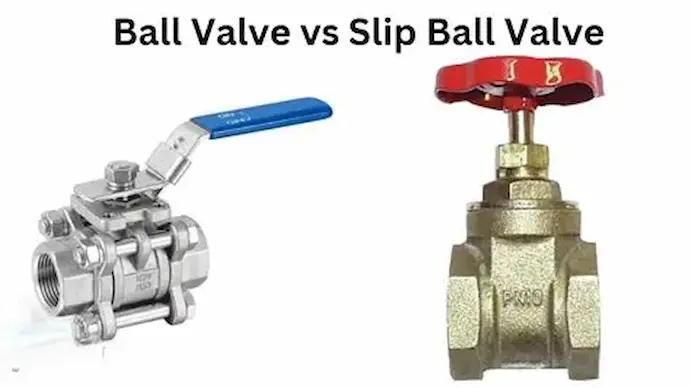
Compare slip ball valves and conventional ball valves by flow-control method, sealing performance, pressure capability, maintenance, and application. Slip ball valves are designed for adjustable flow regulation, while standard ball valves provide reliable full-open or full-closed isolation for water, gas, oil, and industrial pipelines.
Tapping Valve vs Gate Valve: Key Differences and Applications
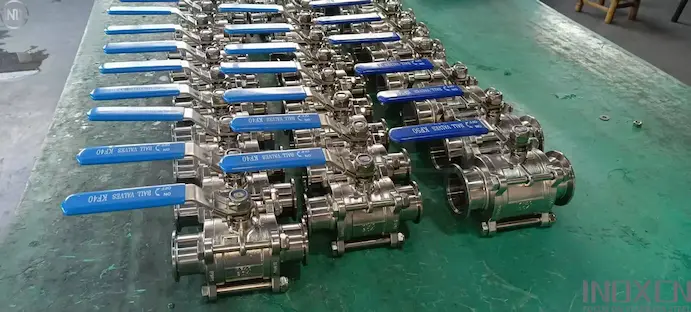
Compare tapping valves and gate valves by function, installation method, sealing requirements, maintenance, and application. Tapping valves are designed for adding branches or connection points to live pipelines without interrupting service, while gate valves are primarily used for full-flow isolation and shutoff in water, oil, gas, and industrial piping systems.
The Role of Air Release Valves in Piping Systems
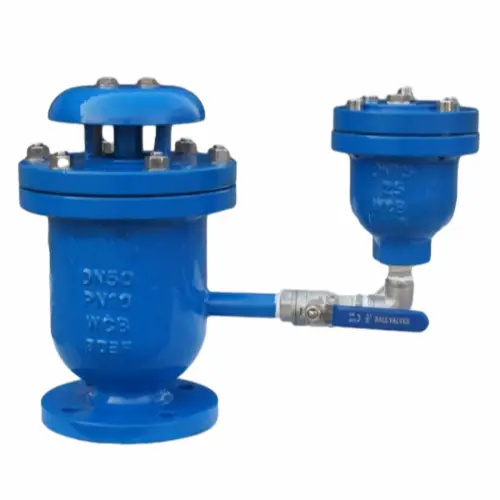
Learn how air release valves remove trapped air from pipelines to prevent air pockets, flow restriction, pressure fluctuations, water hammer, and reduced system efficiency. The guide explains their operating principle, typical installation at pipeline high points, common applications, and key considerations for sizing, inspection, and maintenance.
How Coatings Help Prevent Scaling on Gate Valves
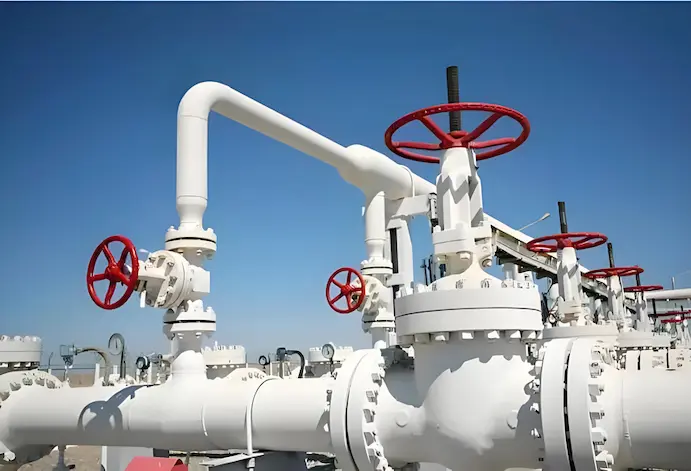
Learn how scaling affects gate valve operation in water treatment, industrial water, chemical, oil and gas, and mineral-rich pipeline systems. This guide explains how scale deposits can cause sticking, incomplete opening or closing, increased torque, leakage risk, and maintenance problems, while covering coating options such as epoxy, ceramic, and fluoropolymer coatings, fluid-chemistry control, inspection routines, cleaning practices, coating limitations, and key selection factors for coated gate valves.
Axial Flow Check Valves Guide: Non-Slam Closure, Water Hammer Control and Selection
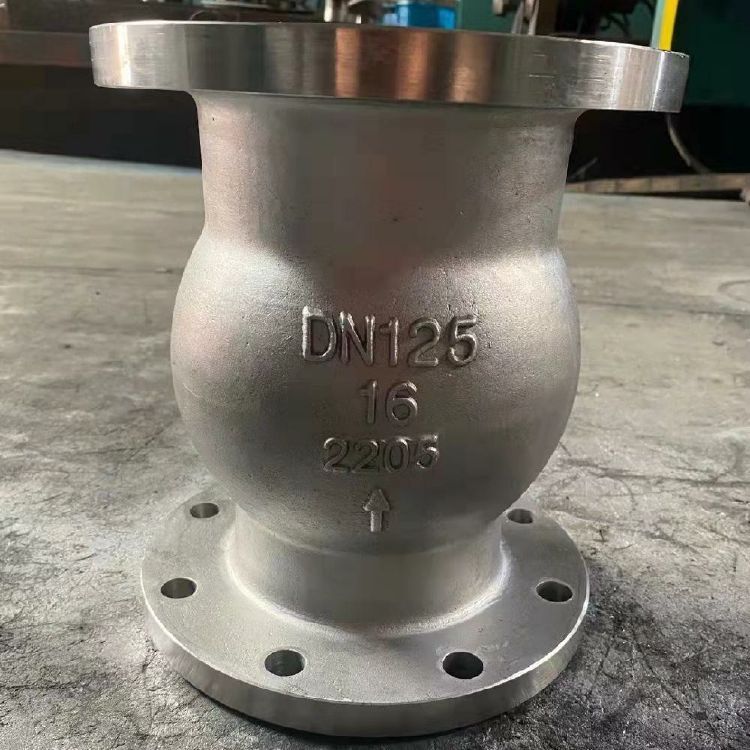
Learn how axial flow check valves help reduce check valve slam, reverse flow, pressure surges, and water hammer risk in pump discharge lines, long-distance pipelines, water treatment systems, oil and gas pipelines, power plants, and industrial fluid systems. This guide explains axial disc movement, spring-assisted non-slam closure, low-pressure-drop flow paths, material selection, pump shutdown conditions, surge analysis, installation location, maintenance considerations, and key differences from swing check valves and dual plate check valves.
Parallel Slide Gate Valves: A Complete Guide
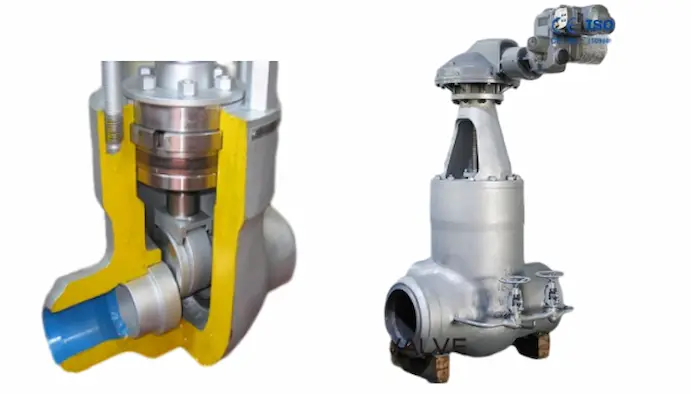
Learn how parallel slide gate valves use parallel discs, initial spring loading, and pipeline pressure to provide reliable isolation in high-pressure and high-temperature systems. The guide explains their working principle, low-flow-resistance design, resistance to thermal binding, key selection factors, and applications in steam, power generation, oil and gas, and industrial process pipelines.
Gate Valves for Water and Wastewater Systems: Applications and Selection Guide
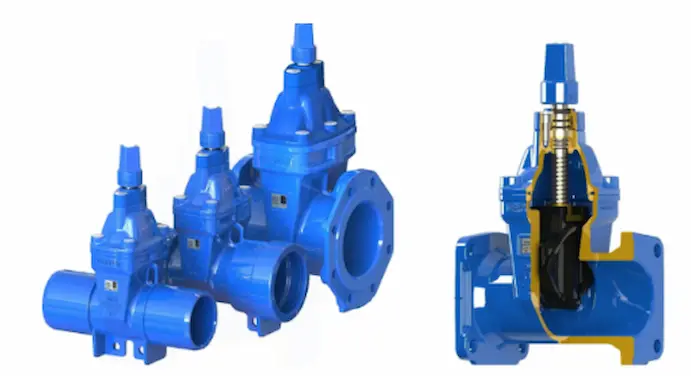
Learn how gate valves are used in water and wastewater systems for pipeline isolation, maintenance shutdowns, low-resistance full-open flow, and reliable shutoff in municipal water networks, treatment plants, and industrial utility lines. The guide explains key selection factors such as resilient-seated design, ductile iron construction, epoxy coating, corrosion resistance, wastewater service conditions, AWWA-related standards, and proper on/off operation.
Brass Check Valve Guide: Types, Applications and Selection
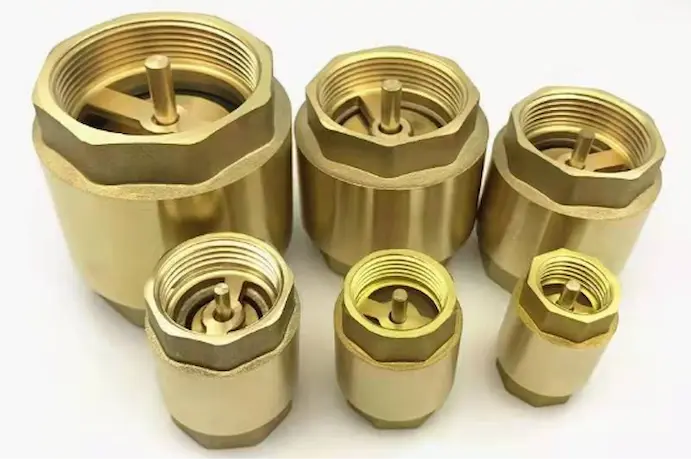
Learn how brass check valves prevent reverse flow in water, HVAC, plumbing, gas, and light industrial piping systems. The guide explains swing, lift, ball, and spring-loaded check valve types, brass and lead-free brass material considerations, pressure-temperature ratings, flow direction, installation orientation, debris sensitivity, pressure drop, maintenance inspection, and key selection factors for reliable backflow prevention.
Brass Ball Valve vs PVC Ball Valve: Engineersssing Insights for Modern Pipeline Systems
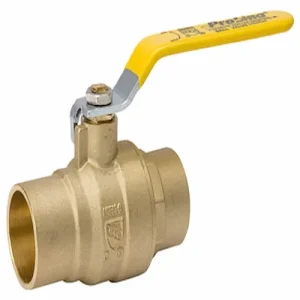
Compare brass and PVC ball valves by pressure and temperature capability, corrosion resistance, mechanical strength, weight, service life, and cost. Brass ball valves provide greater durability and sealing reliability for hot water, compressed air, HVAC, and pressure-cycling systems, while PVC ball valves offer lightweight, economical corrosion resistance for irrigation, swimming pools, water treatment, and compatible low-temperature chemical service.
What is swing check valve
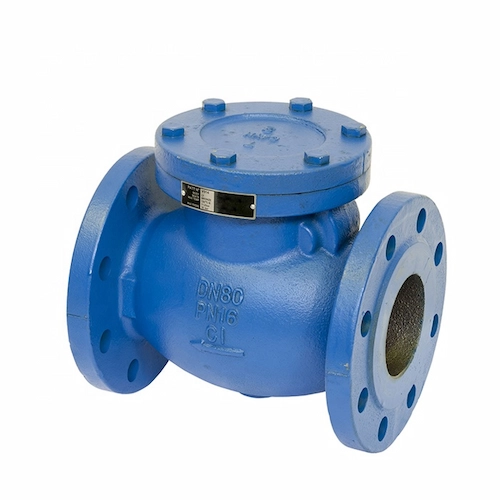
Quick Summary A swing check valve is a type of backflow prevention device used in pipelines to ensure unidirectional flow. The valve has a hinged disc that swings to allow flow in one direction, and swings back to close when flow reverses. This simple yet effective mechanism prevents backflow and protects systems from potential damage […]