
Benefits of Wedge Gate Valves in High-Pressure Systems
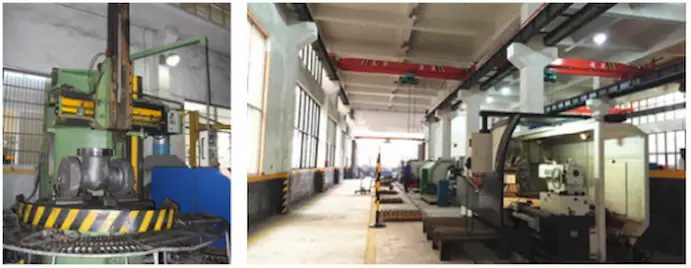
earn why wedge gate valves are widely used in high-pressure systems, including their pressure-assisted sealing, robust body construction, and long service life. The guide compares solid, flexible, and split-wedge designs and explains their suitability for oil and gas pipelines, high-pressure steam, power generation, and chemical processing applications.
Rising Stem Gate Valves: OS&Y Design, Features and Selection Guide
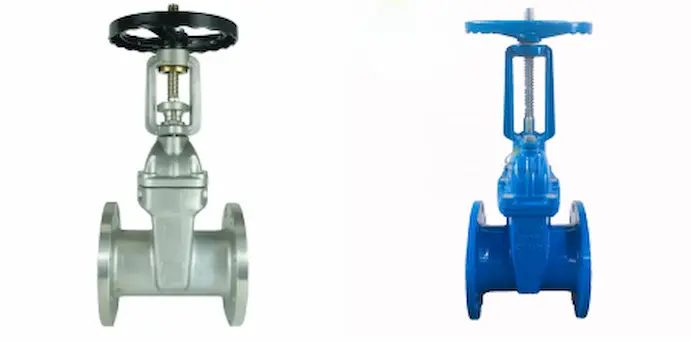
Learn how rising stem gate valves use visible stem movement to indicate valve position and support safer pipeline isolation. The guide explains OS&Y gate valve construction, rising stem operation, differences from non-rising stem designs, space requirements, maintenance visibility, high-pressure service considerations, and key selection factors for oil and gas, steam, water, power, and above-ground industrial pipeline systems.
Single Disc vs Double Disc Gate Valves Explained
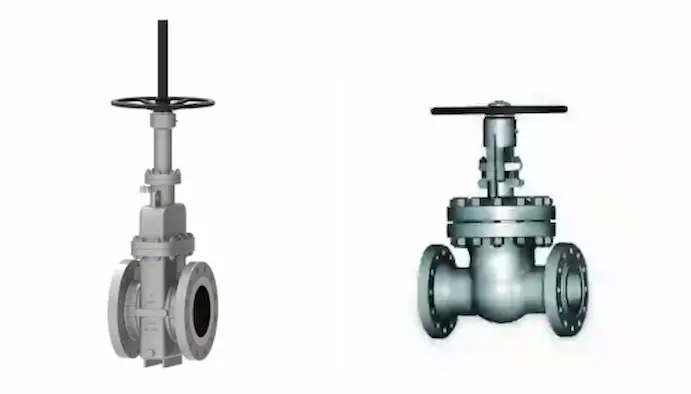
Compare single-disc and double-disc gate valves by disc structure, sealing mechanism, operating torque, pressure sensitivity, maintenance, and application. Single-disc gate valves offer a simpler, lower-cost design for stable high-pressure and high-temperature service, while double-disc designs provide better low-pressure and bidirectional sealing for water supply, wastewater, and other pipeline isolation systems.
Knife Gate Valve Guide: Working Principle, Applications and Selection
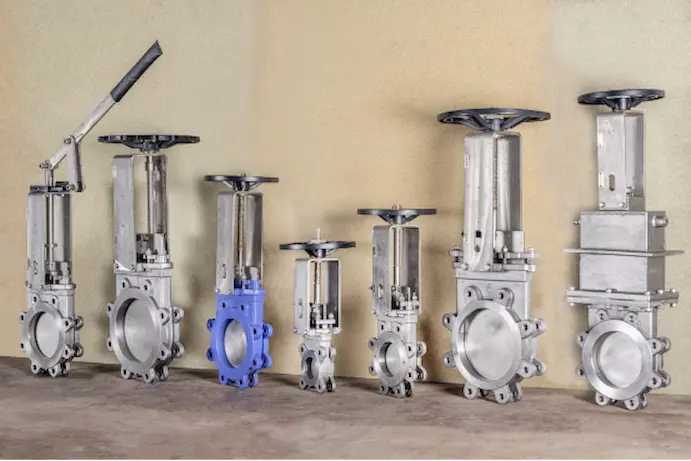
Learn how knife gate valves are selected for slurry, pulp, powder, wastewater, tailings, fibrous media, and other solids-containing services. The guide explains knife-edge gate design, wafer, lugged and flanged body options, soft-seat and metal-seat sealing, pressure and temperature limitations, installation orientation, clogging risks, maintenance considerations, and the key differences between knife gate valves and conventional gate valves.
Wedge Gate Valve vs Slab Gate Valve: A Practical Guide
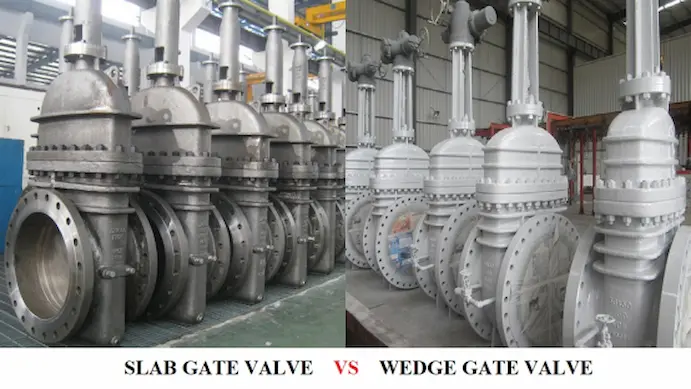
https://www.onoffvalve.com/knowledge-wedge-gate-valve-vs-slab-gate-valve/
Gate Valve: 5 Types, Parts, and Working Principle
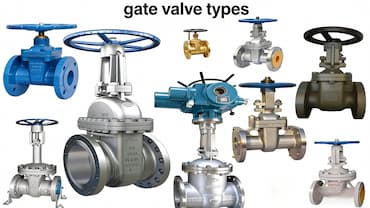
Explore the main gate valve types, components, and operating principle, including wedge, parallel-slide, resilient-seated, metal-seated, rising-stem, and non-rising-stem designs. The guide explains how gate valves provide full-open or full-closed pipeline isolation and highlights key selection factors such as seat construction, body material, pressure and temperature, media compatibility, actuation, maintenance, and applicable standards.