Quick Summary
Using a slip-on flange with a butterfly valve is possible, but butterfly valve flange requires proper understanding of valve and flange compatibility. In this article, we’ll explore the considerations, challenges, and best practices for using slip-on flanges with butterfly valves, ensuring your system operates efficiently and securely.
Introduction
Imagine you’re designing a piping system for a high-efficiency industrial process, and you’re looking to install a butterfly valve with a slip-on flange. While slip-on flanges are commonly used in pipe-to-pipe connections, the compatibility with a butterfly valve requires careful attention. So, can you use a slip-on flange with a butterfly valve? The short answer is yes, but there are factors you must consider to ensure the valve functions correctly and safely.
Challenges of Using Slip-On Flanges with Butterfly Valves
1.Valve Alignment and Sealing Issues
Ensuring proper alignment between the butterfly valve and the slip-on flange can be tricky. Misalignment may lead to improper sealing, resulting in leaks or inefficient system performance.
2.Pressure Handling Challenges
Butterfly valves and slip-on flanges have different pressure ratings. If not matched correctly, using a slip-on flange with a butterfly valve may lead to pressure drop issues or potential system failure.
3.Installation Complexity
Using a slip-on flange with a butterfly valve can sometimes complicate installation, as not all valve types are designed for such flanged connections. Ensuring compatibility and ease of installation is key.

How to Ensure Proper Installation and Maximise Performance
1.Choose the Right Valve Type (Wafer or Lug Style)
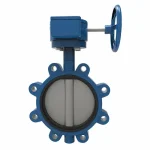
Butterfly valves come in different designs, such as wafer and lug styles. Wafer-style valves, often used in between flanges, can sometimes be adapted to fit a slip-on flange, while lug-style valves offer a more direct flange-to-valve connection, which may be more appropriate for slip-on flanges.
2.Ensure Proper Flange Material and Pressure Rating
When using a slip-on flange with a butterfly valve, ensure that the material and pressure rating of both the flange and the valve are compatible. High-pressure systems demand stronger flanges and valves, so always check the specifications before installation.
3.Use Proper Gaskets and Seals
To prevent leakage when using a slip-on flange with a butterfly valve, always use the correct gaskets and seals. Flanges should be installed with the correct sealing surfaces to ensure a tight, leak-proof connection.
Real-World Applications: Using Slip-On Flanges with Butterfly Valves
Case 1: Using Slip-On Flanges in Water Treatment Systems
In a water treatment plant, the engineers opted to use wafer-style butterfly valves with slip-on flanges to save space and simplify their installation. By ensuring that the correct gasket material was used and verifying pressure ratings, the system performed well without any leakage issues.
Case 2: Butterfly Valve Installation in Gas Systems
For a gas distribution system, lug-style butterfly valves were selected, as they are better suited for high-pressure applications and are easier to install with flanged connections. The engineers carefully matched the pressure rating of the slip-on flange with the valve to ensure safe operation under high-pressure conditions.

The Impact of Proper Flange-Valve Compatibility on System Performance
Studies in the valve and piping industry show that the use of properly aligned flanged connections can reduce leakage rates by up to 20%. Furthermore, using slip-on flanges with butterfly valves in high-pressure systems has been shown to increase system longevity by improving sealing efficiency when the correct materials and installation methods are used.
The Growing Use of Slip-On Flanges with Butterfly Valves
The valve industry is increasingly focusing on customizable valve solutions, especially for applications requiring space-saving and cost-effective solutions. With advancements in materials and sealing technology, slip-on flanges are being used more frequently in combination with butterfly valves, offering benefits like reduced maintenance costs and enhanced system flexibility.
Best Practices for Installing Butterfly Valves with Slip-On Flanges
-
Ensure Compatibility: Before installing a slip-on flange with a butterfly valve, always check the specifications for compatibility in terms of pressure rating, temperature resistance, and material compatibility.
-
Consider Valve Type: Wafer-style butterfly valves are generally better suited for use with slip-on flanges, while lug-style valves provide a more secure fit in high-pressure applications.
-
Follow Proper Installation Guidelines: Always follow the manufacturer’s guidelines for gasket selection, bolting torque, and sealing surfaces to avoid leaks and ensure optimal valve performance.

Conclusion
While it is possible to use a slip-on flange with a butterfly valve, proper selection and installation are crucial to ensure system efficiency and prevent failures. By choosing the right valve type, ensuring flange compatibility, and using high-quality seals, you can maximise the performance of your system. For more expert advice on valve and flange selection or to explore our range of valves and flanges, contact us today!
FAQ
1. Can a slip-on flange be used with any butterfly valve?
Yes, but the valve type and flange material must be compatible. Wafer-style butterfly valves are often more compatible with slip-on flanges.
2. Why is proper alignment important when using a slip-on flange with a butterfly valve?
Proper alignment ensures a tight seal, preventing leaks and ensuring efficient flow control within the system.
3. Can slip-on flanges handle high-pressure applications with butterfly valves?
It depends on the specific flange and valve ratings. Always match the pressure ratings of both components to ensure safe operation.
4. Are there any limitations when using slip-on flanges with butterfly valves?
Slip-on flanges may not be suitable for all high-pressure applications. Lug-style valves often provide a more secure connection for such applications.
5. What gasket material should I use with a slip-on flange and butterfly valve?
The gasket material should be chosen based on the system’s media, pressure, and temperature. Common materials include PTFE, graphite, and rubber for general applications.