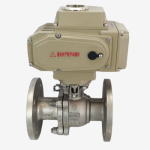
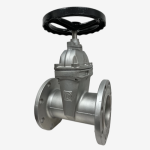
What Is a Gate Valve in Plumbing
A gate valve in plumbing is a multi-turn isolation valve that opens or closes a pipeline by moving a gate or wedge vertically across the flow path. In practical plumbing and water-service systems, its main job is simple: keep the line fully open during normal operation and provide reliable shut-off when a section of pipe needs to be isolated.
Gate valves are found in building water mains, commercial utility piping, fire-water systems, municipal distribution networks, pump stations and industrial water lines. Their straight-through flow path creates relatively low resistance when fully open, which is useful where the valve may remain open for long periods. However, a gate valve is generally not a throttling valve. Leaving it partly open can increase vibration, seat wear, erosion and unstable flow.
Quick Summary
- A gate valve is primarily used for full-open or full-close isolation in plumbing and water pipelines.
- The handwheel or actuator moves a gate vertically between the seats; when fully open, the flow path is largely unobstructed.
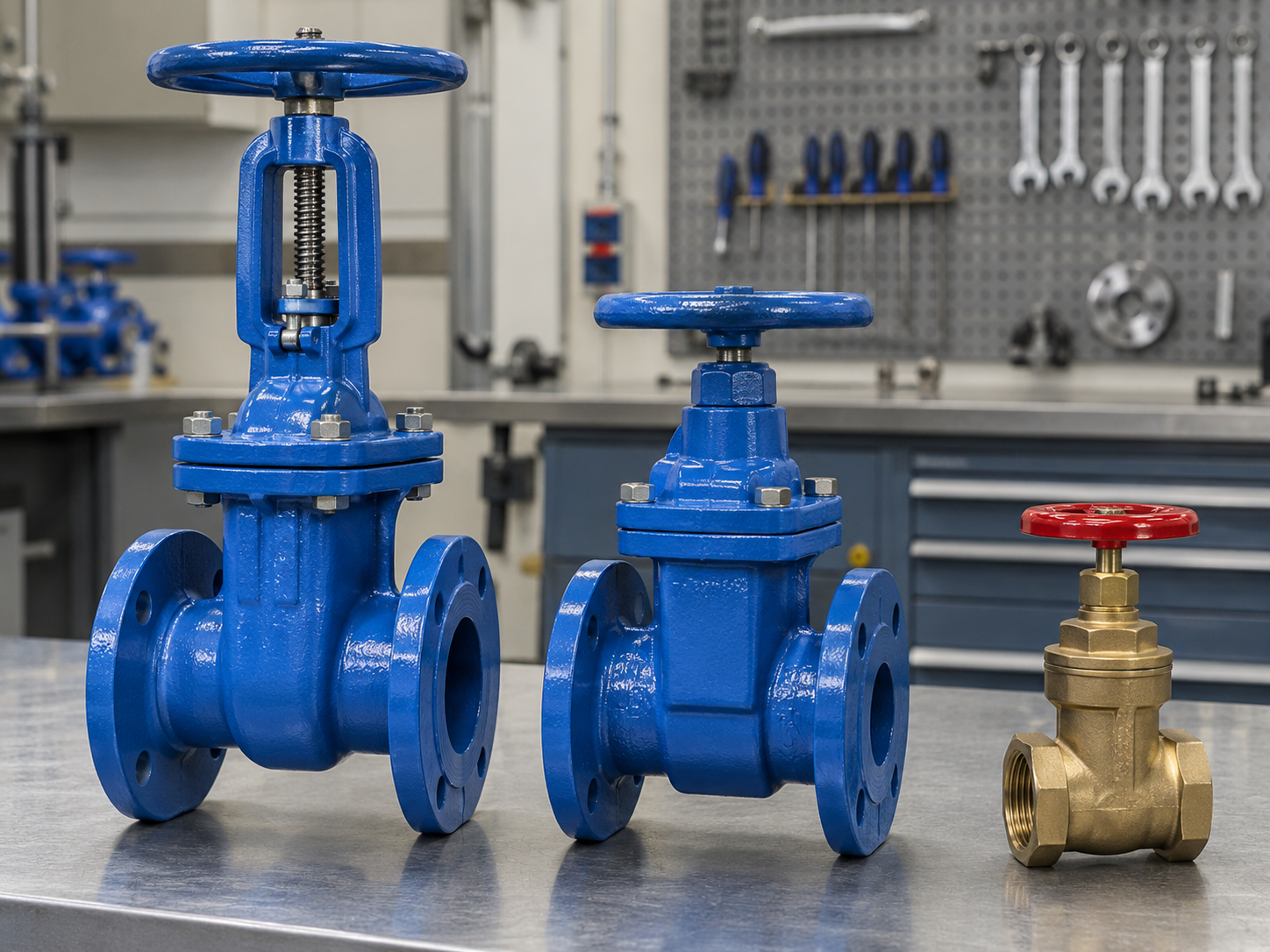
- Common plumbing configurations include brass or bronze threaded gate valves, ductile-iron resilient-seat valves, and rising- or non-rising-stem designs.
- Gate valves are usually a poor choice for frequent throttling. Ball valves or globe/control valves may be better depending on the required function.
- Selection should consider pipe size, pressure, temperature, water quality, stem type, seat design, connection standard and maintenance access.
What Is a Gate Valve in Plumbing?
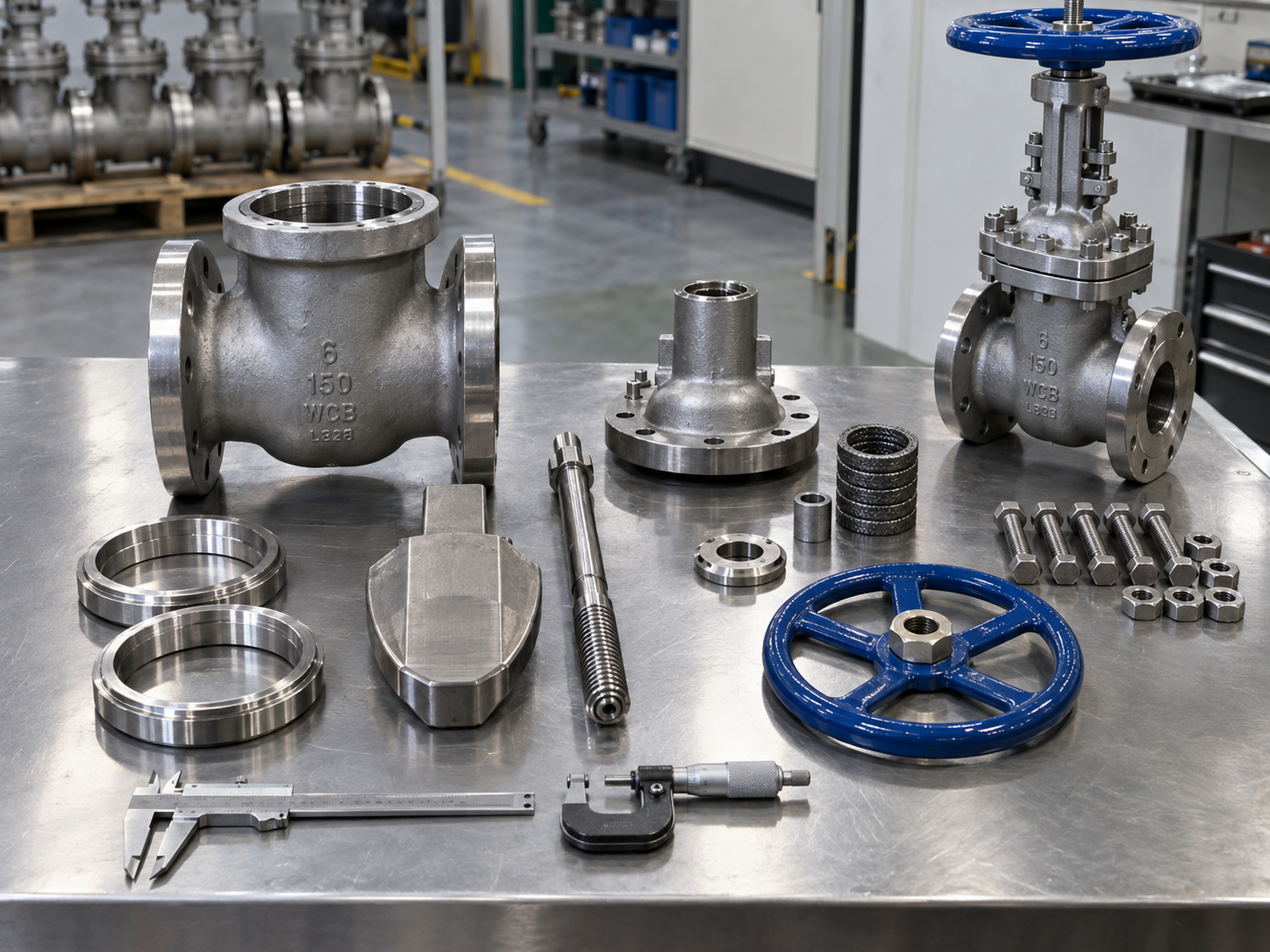
In plumbing, a gate valve is a shut-off device installed in a pipe so operators can isolate the water supply to a building, branch, equipment line or larger section of a distribution network. The valve gets its name from the internal closure element: a flat or wedge-shaped gate that moves up and down as the handwheel turns.
When the valve is fully open, the gate retracts from the flow path and water passes through with relatively little obstruction. When the valve is fully closed, the gate presses against the seating surfaces to block flow. This makes the design well suited to pipelines that need long periods of unrestricted flow with occasional isolation for maintenance or repair.
For industrial buyers, the same basic principle applies at a much larger scale. Vcore’s gate valve product range includes configurations for water supply, wastewater, steam, oil and gas, chemical utility and general industrial isolation service.
How Does a Plumbing Gate Valve Work?
A manual gate valve normally uses a handwheel connected to a threaded stem. Rotating the handwheel converts rotary motion into linear movement of the gate. The gate travels between two seating surfaces inside the body.
- Opening: Turning the handwheel in the opening direction lifts the gate away from the seats.
- Fully open: The gate moves substantially out of the bore, creating a near-straight flow path.
- Closing: Turning the handwheel in the opposite direction lowers the gate.
- Shut-off: The gate contacts the seats and isolates the downstream pipe section.
Main Gate Valve Components
| Component | Main Function | Plumbing Selection Note |
|---|---|---|
| Valve Body | Contains pressure and connects the valve to the pipeline | Material and end connection must match the water service and piping system |
| Gate / Wedge | Moves across the bore to stop or allow flow | May be metal seated or resilient seated depending on design |
| Seats | Provide the sealing surfaces when the valve closes | Seat condition strongly affects shut-off leakage |
| Stem | Transfers handwheel or actuator movement to the gate | Rising and non-rising designs require different installation space |
| Bonnet | Closes the upper pressure boundary and supports the stem assembly | Construction varies with valve type, size and service conditions |
| Packing | Limits leakage around the stem | Inspect for seepage, hard operation or aging during maintenance |
| Handwheel / Actuator | Provides the force needed to move the gate | Manual operation is common; larger valves may use gears or powered actuators |
Where Are Gate Valves Used in Plumbing?
The phrase “plumbing gate valve” covers everything from small threaded shut-off valves in building water systems to large flanged valves in municipal and industrial water networks. The most appropriate design depends on pipe size, service pressure, installation location and operating frequency.
| Plumbing / Water Application | Why a Gate Valve May Be Used | Selection Focus |
|---|---|---|
| Building Main Water Isolation | Allows a building or large branch to be isolated for maintenance | Size, thread/flange standard, accessibility and operation frequency |
| Commercial Utility Piping | Low restriction when the valve remains fully open | Pressure rating, material, seat design and maintenance clearance |
| Municipal Water Distribution | Sectional isolation of buried or above-ground water mains | Resilient seating, coating, stem type and buried-service requirements |
| Pump Stations | Isolation of pump suction/discharge headers and maintenance sections | Flow velocity, support, access, pressure and operating procedure |
| Fire-Water Networks | Isolation of mains, branches and equipment | Project approvals, visible position requirements and applicable fire-system specifications |
| Water & Wastewater Plants | Pipeline and equipment isolation in treatment systems | Water quality, solids, corrosion protection, seat design and coating |
For a more application-specific discussion, see Vcore’s guide to gate valves in water and wastewater systems.
Gate Valve vs Ball Valve in Plumbing
One of the most common plumbing questions is whether to choose a gate valve or a ball valve. Both can isolate flow, but they behave differently in service.
| Selection Factor | Gate Valve | Ball Valve |
|---|---|---|
| Main Function | Full-open / full-close isolation | Fast full-open / full-close isolation |
| Operation | Multi-turn | Quarter-turn |
| Opening / Closing Speed | Slower | Fast |
| Flow Path When Open | Low restriction when fully open | Very low restriction with full-port designs |
| Space | May require additional vertical clearance | Usually compact |
| Position Indication | Clear on rising-stem designs; less obvious on non-rising designs | Handle position usually gives a quick visual indication |
| Frequent Operation | Less convenient | Usually more convenient |
| Typical Plumbing Choice | Large water mains, long-open isolation duty, buried or industrial service | Branch isolation, compact installations, frequent manual shut-off |
For a deeper comparison, read 10 Key Differences Between Gate Valves and Ball Valves. Buyers comparing several valve families can also use Vcore’s Ball Valve vs Gate Valve vs Globe Valve guide.
Types of Gate Valves Used in Plumbing and Water Systems
1. Rising Stem Gate Valve
In a rising stem gate valve, the stem moves upward as the valve opens. This gives operators a visible indication of valve position and keeps the stem threads outside the process medium on common OS&Y arrangements. The trade-off is additional vertical space.
2. Non-Rising Stem Gate Valve
A non-rising stem rotates without significantly increasing the overall valve height. This compact arrangement is useful in buried service, valve chambers and locations with limited overhead clearance. Because stem movement is not visually obvious, position indication may require a separate indicator or operating procedure.
See Rising Stem vs Non-Rising Stem Gate Valves for a detailed comparison of space, visibility, maintenance and typical applications.
3. Wedge Gate Valve
Wedge gate valves use a wedge-shaped closure element. Solid, flexible and split wedge arrangements are selected according to the service, materials and design standard. They are widely used in water, steam and industrial utility piping where dependable isolation is required.
4. Resilient-Seated Gate Valve
Resilient-seat designs are common in clean-water distribution and municipal waterworks. The elastomer-covered or elastomer-seated closure helps provide shut-off at comparatively low operating torque, while coating and material selection are important for corrosion protection.
5. Threaded Brass or Bronze Gate Valve
Smaller plumbing lines may use threaded brass or bronze gate valves where compact screwed connections are convenient. Thread type must match the piping specification; NPT, BSP and other threaded systems are not automatically interchangeable.
For screwed-end applications, see Vcore’s threaded gate valve page.
Gate Valve Materials for Plumbing Systems
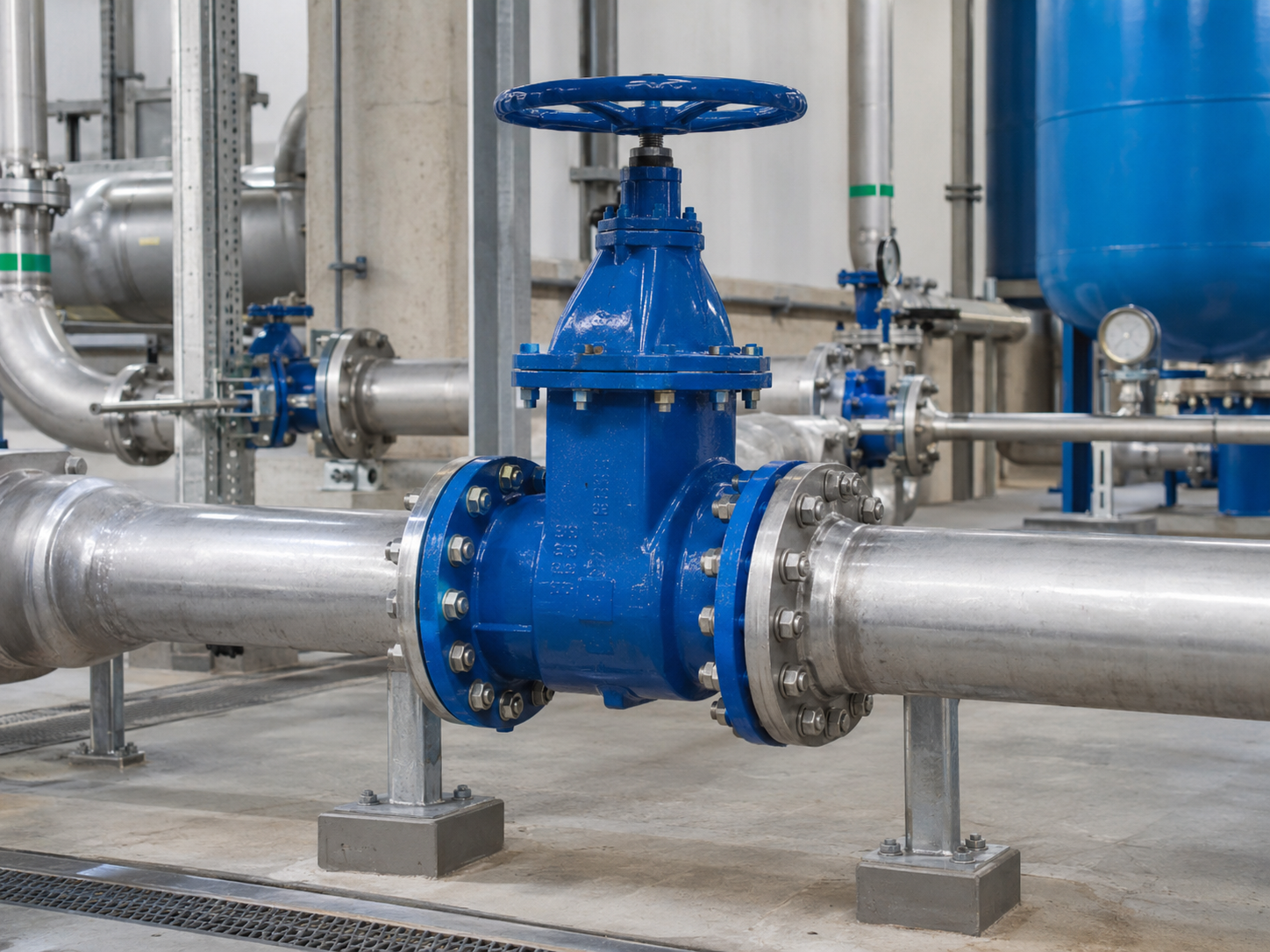
There is no single “best” gate valve material for every plumbing system. Material selection depends on the fluid, temperature, pressure, corrosion environment and local piping specification.
| Material | Typical Plumbing / Water Use | Main Selection Consideration |
|---|---|---|
| Brass / Bronze | Small water-service and threaded plumbing lines | Water chemistry, dezincification risk where relevant, thread standard and temperature |
| Cast Iron | General water utility applications within suitable ratings | Pressure limitation, corrosion protection and impact risk |
| Ductile Iron | Municipal water, pump stations and larger water distribution pipelines | Coating, seat material, flange standard and buried-service protection |
| Carbon Steel | Industrial utility, process water and higher-temperature service | Corrosion allowance/protection, pressure-temperature requirements and trim |
| Stainless Steel | Corrosive water, clean utility and selected process services | Actual fluid chemistry, chloride exposure, grade selection and cost |
For larger water-service projects, Vcore’s ductile iron gate valve page shows the type of configuration normally reviewed for water and utility isolation.
Why Gate Valves Should Not Be Used for Continuous Throttling
A gate valve can physically be left partly open, but that does not mean it is designed for continuous flow regulation. In a partially open position, the gate and seats can be exposed to concentrated high-velocity flow. Depending on the medium and pressure drop, this can contribute to vibration, erosion, chatter and uneven seat damage.
Partially open operation can also make the valve harder to return to reliable shut-off after prolonged service. For plumbing systems that require frequent adjustment of flow, a globe valve, balancing valve, control valve or another purpose-designed regulating device is usually more appropriate.
How to Choose a Gate Valve for Plumbing
The correct gate valve is determined by the operating conditions, not by nominal pipe size alone. Before purchasing or specifying the valve, confirm the following items.
Confirm DN/NPS and actual connection dimensions.
Specify normal operating pressure and design/maximum pressure.
Confirm cold, hot-water or industrial temperature conditions.
Potable water, raw water, wastewater, process water or other fluid.
Threaded, flanged, grooved or project-specific connection.
Rising or non-rising according to space and visibility.
Match corrosion, strength and project specifications.
Confirm resilient or metal seat according to service.
Handwheel, gearbox, electric or other actuator.
Define pressure test, coating, dimensional and documentation requirements.
Gate Valve Installation Tips
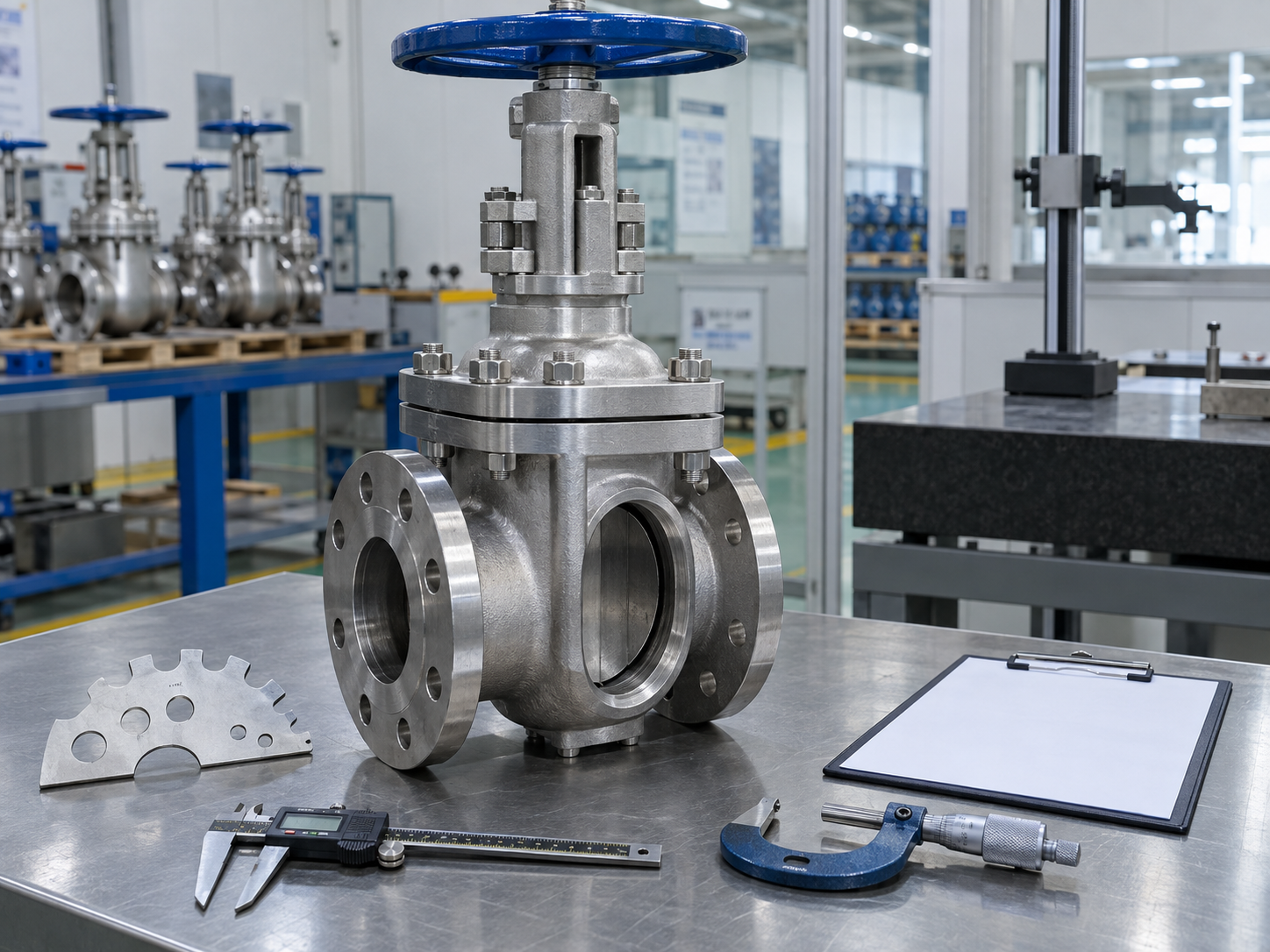
Correct installation is important even for a simple manual gate valve. Many field problems blamed on the valve itself are actually caused by piping stress, contamination, poor access or incorrect operation.
- Verify flow and valve orientation: Follow the approved drawing and manufacturer requirements. Some gate valves are bidirectional for normal isolation duty, but project-specific designs may have orientation requirements.
- Flush the line: Remove welding slag, scale, sand and debris before commissioning. Debris trapped on the seat can prevent full closure.
- Avoid piping loads: Do not force misaligned flanges into position by using the valve as a pipe alignment tool.
- Provide operating clearance: Rising-stem valves require enough vertical space for the fully open stem position.
- Support heavy piping: Large valves and adjoining pipework should be adequately supported to avoid excessive nozzle loads.
- Operate fully open or fully closed: Do not leave a normal gate valve partially open as a routine control method.
- Confirm accessibility: Handwheels, gearboxes, stem packing and bonnet joints should remain accessible for inspection.
Common Gate Valve Problems in Plumbing
| Symptom | Possible Cause | Recommended Check |
|---|---|---|
| Valve Will Not Fully Close | Debris on seat, damaged gate/seat, stem issue or internal corrosion | Isolate safely, inspect closure components and verify the line is clean |
| Leakage Around Stem | Packing wear, loose gland adjustment or stem damage | Inspect packing system and follow approved maintenance procedure |
| Handwheel Hard to Turn | Corrosion, deposits, dry stem threads, excessive seating force or internal damage | Do not force the valve; determine whether the problem is external or internal |
| Valve Passes Water When Closed | Seat damage, erosion, debris, incomplete closure or misalignment | Verify full travel and inspect sealing surfaces |
| Stem Moves but Flow Does Not Change | Detached or damaged gate/stem connection | Remove the valve from service and inspect internal components |
| External Body Corrosion | Coating damage, wet environment, buried-service exposure | Assess remaining wall condition and coating/protection system |
Sealing problems are not unique to gate valves. For a broader view of seat condition, packing and leakage mechanisms, see Vcore’s Valve Sealing Performance guide.
When Should a Plumbing Gate Valve Be Replaced?
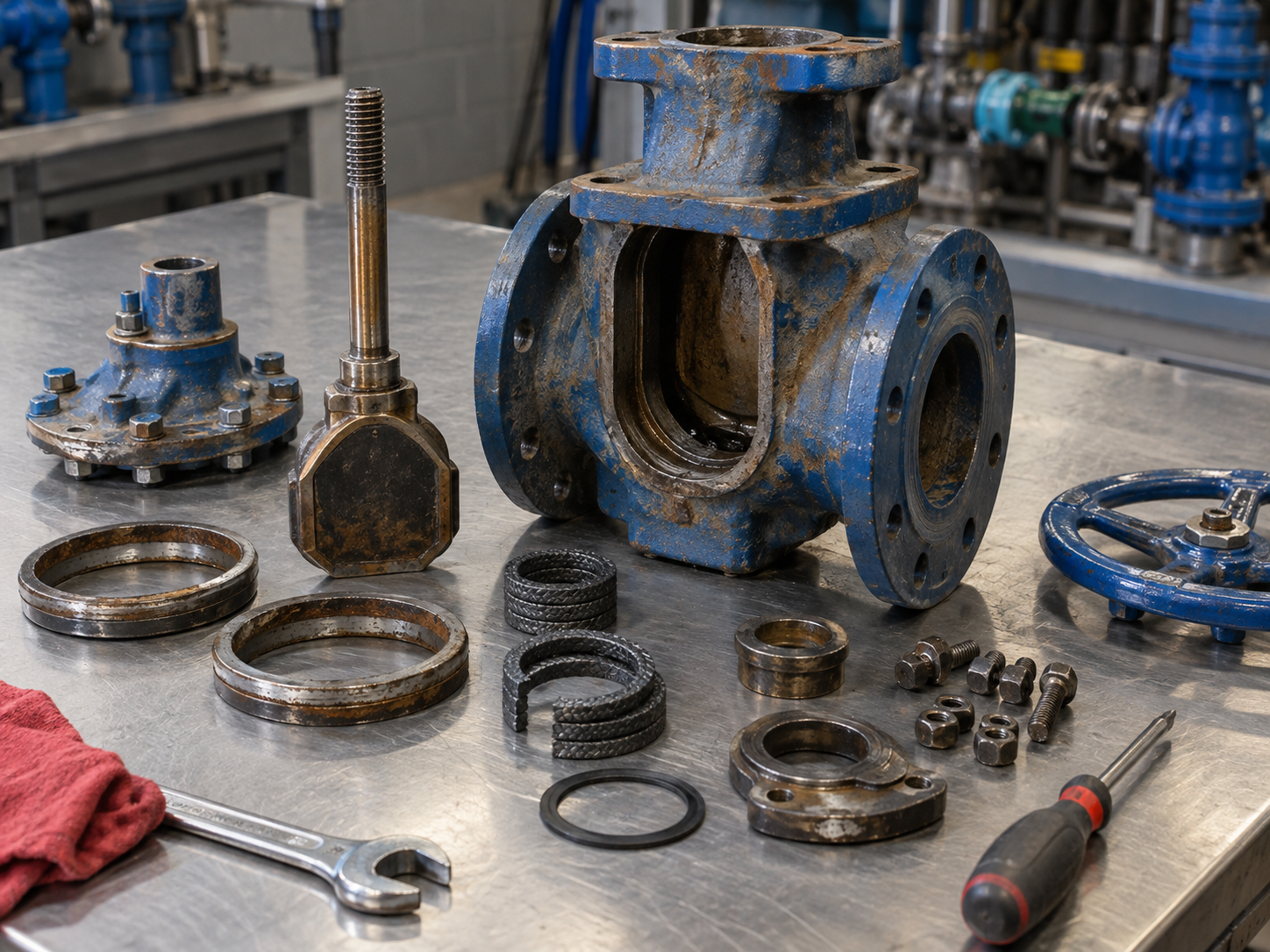
Not every leaking or stiff gate valve needs immediate replacement, but replacement becomes the safer choice when the valve can no longer provide dependable isolation or when repair is not economical.
Replacement should be considered when:
- the gate or seat is badly eroded, corroded or mechanically damaged;
- the stem is bent, stripped or disconnected from the closure element;
- the body or bonnet shows pressure-boundary deterioration;
- repeated packing adjustment does not control stem leakage;
- the valve cannot achieve full travel;
- the existing valve material or connection no longer matches the system specification; or
- maintenance history shows repeated failures and an alternative valve type would better match the operating duty.
Gate Valve RFQ Checklist for Commercial and Industrial Plumbing Projects
For project procurement, “gate valve, 4 inch” is rarely enough information for a reliable quotation. A technically complete RFQ helps the supplier confirm compatibility before manufacturing or shipment.
| RFQ Item | Information to Provide |
|---|---|
| Valve Function | Main isolation, branch isolation, buried water main, pump station, fire-water or other duty |
| Size | DN / NPS for each line item |
| Pressure | PN / ASME class or project pressure requirement |
| Medium | Potable water, cooling water, wastewater, process water or other fluid |
| Temperature | Operating and design temperature |
| Body / Trim | Brass, bronze, cast iron, ductile iron, carbon steel, stainless steel or project-specified material |
| Seat | Resilient or metal seat and any specified elastomer/material |
| Connection | Thread type, flange standard, face-to-face requirement or other connection specification |
| Stem | Rising or non-rising stem |
| Operation | Handwheel, gearbox or actuator requirement |
| Inspection | Pressure test, dimensional check, coating inspection, material documents and required reports |
| Quantity / Delivery | Quantity by size, destination and required delivery schedule |
Related Gate Valve Resources
Frequently Asked Questions
What is a gate valve in plumbing used for?
A gate valve is mainly used to isolate a plumbing or water pipeline. It is designed to remain fully open during normal flow and fully closed when the line must be shut off for maintenance, repair or sectional isolation.
Can a gate valve control water flow?
A gate valve can stop or allow flow, but standard gate valves are generally not recommended for continuous throttling. Partially open operation can increase vibration, erosion and seat damage. For regular flow regulation, choose a valve designed for throttling.
Is a gate valve better than a ball valve for plumbing?
Neither is always better. Gate valves are useful for long-open isolation duty, larger pipelines and some buried water systems. Ball valves are faster to operate, more compact and often more convenient where frequent shut-off is required.
How can I tell if a gate valve is open or closed?
On a rising-stem design, stem position normally provides a clear visual indication. On a non-rising-stem valve, the stem does not move visibly upward, so an indicator, turn count or operating procedure may be required.
Why does an old gate valve stop shutting off completely?
Common causes include mineral deposits, debris on the seat, corrosion, worn seating surfaces, stem damage or incomplete gate travel. A valve that cannot provide reliable isolation should be inspected and repaired or replaced.
Which gate valve material is best for water plumbing?
Material depends on the system. Brass or bronze may be used for small threaded water lines, while ductile iron is common in larger municipal water systems. Carbon steel or stainless steel may be selected for industrial utility service. Water chemistry, pressure, temperature and project specifications should determine the final choice.
Need a Gate Valve for a Plumbing or Water Project?
Send Vcore Valve your pipe size, pressure, medium, temperature, connection standard, preferred body material, stem type and quantity. For project orders, include drawings, datasheets and inspection requirements so the valve configuration can be reviewed before quotation.
Contact Vcore Valve for gate valve selection and quotation support.