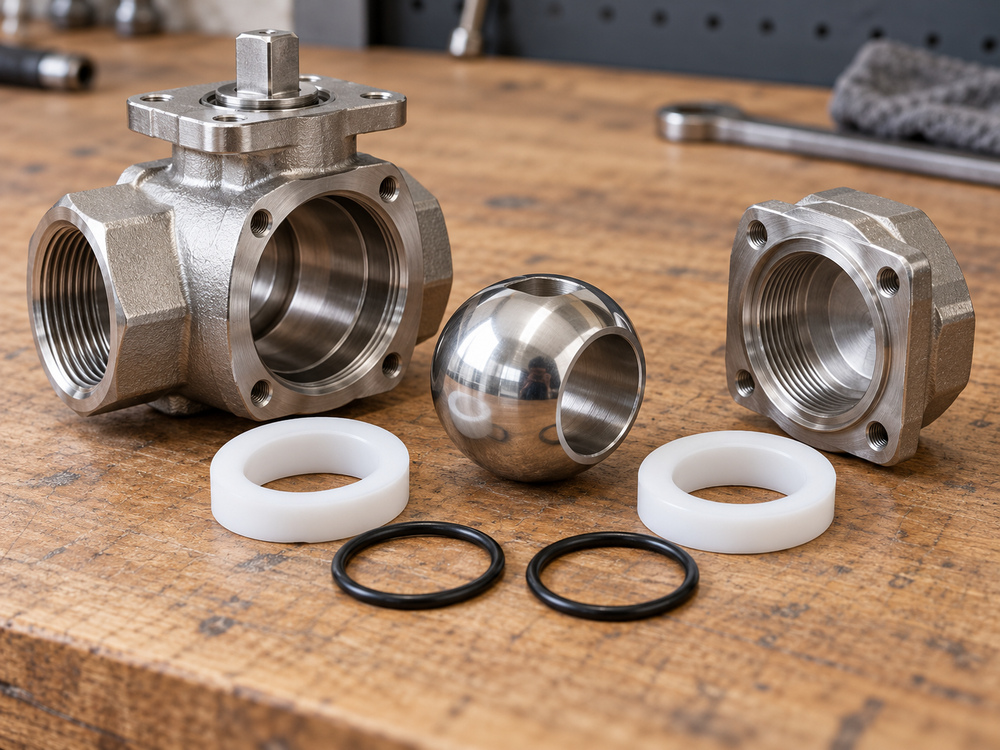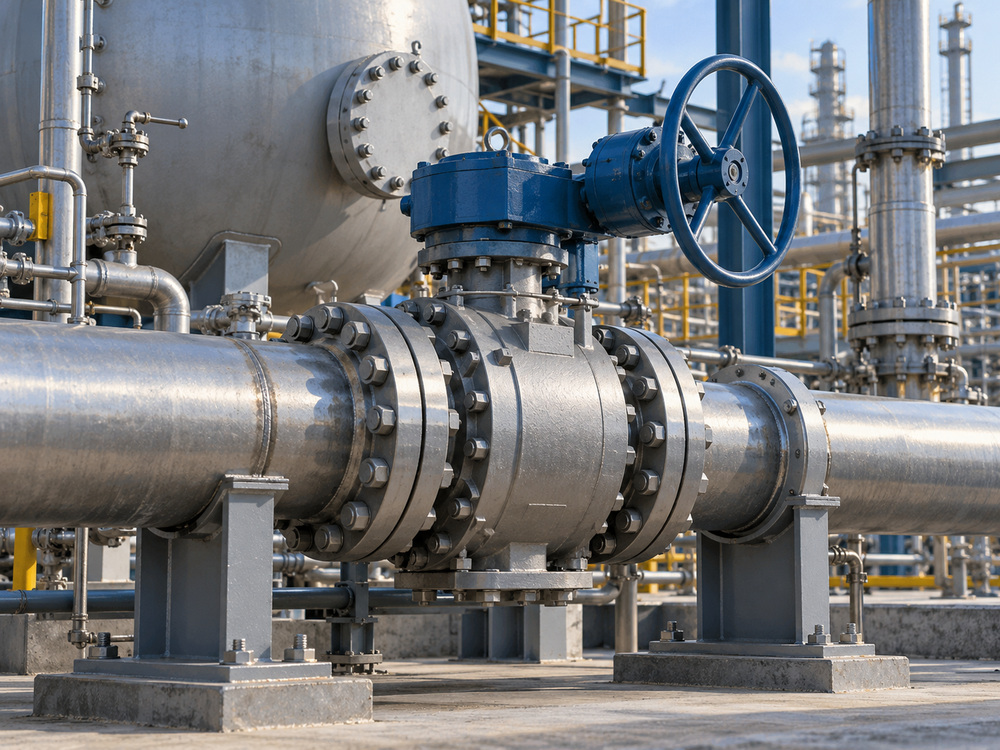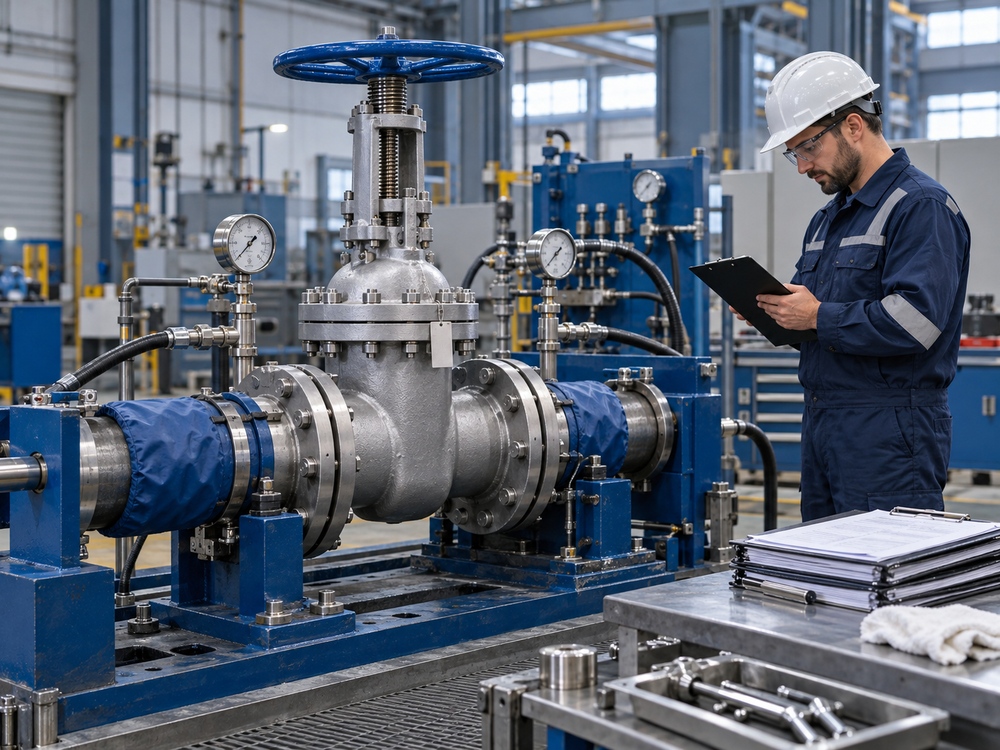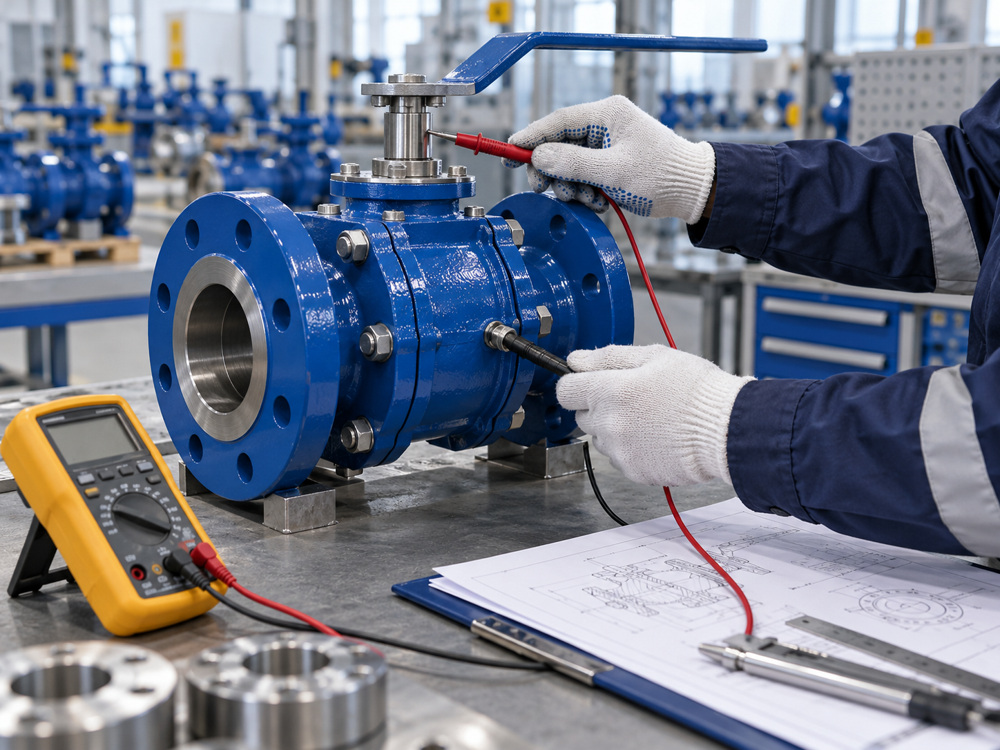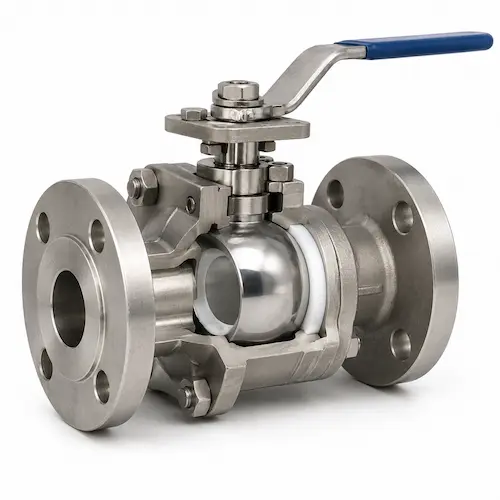
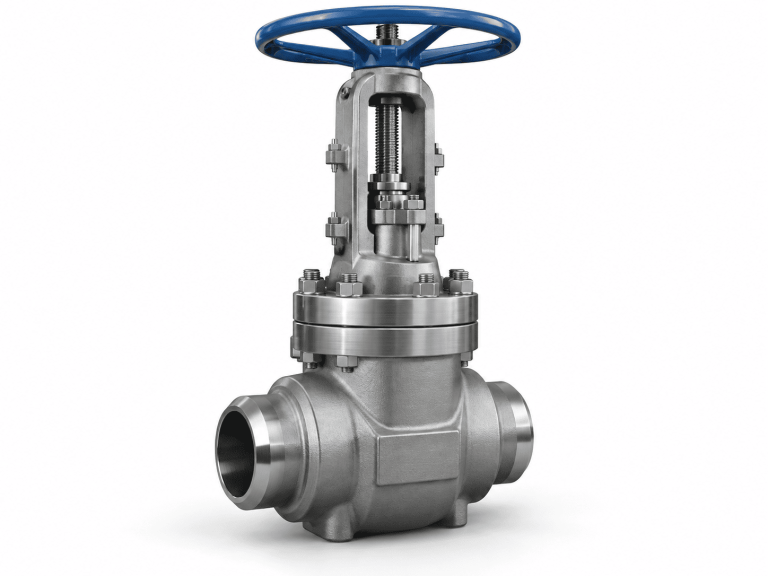
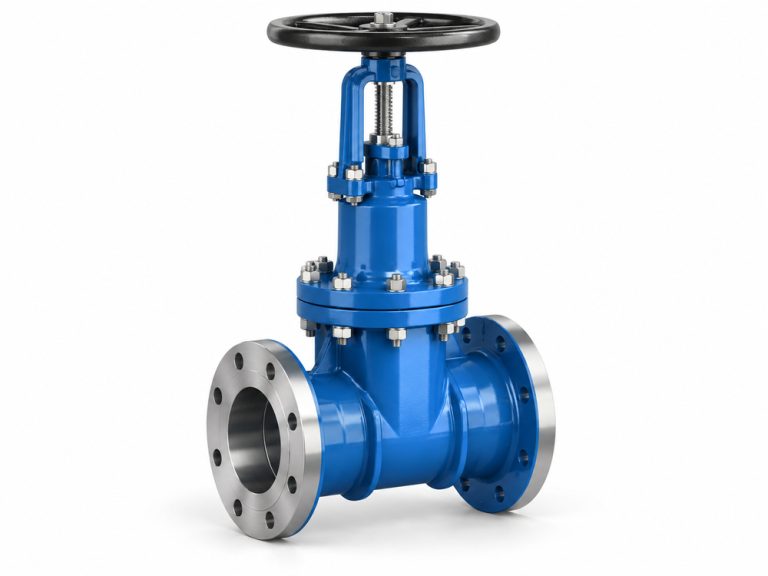
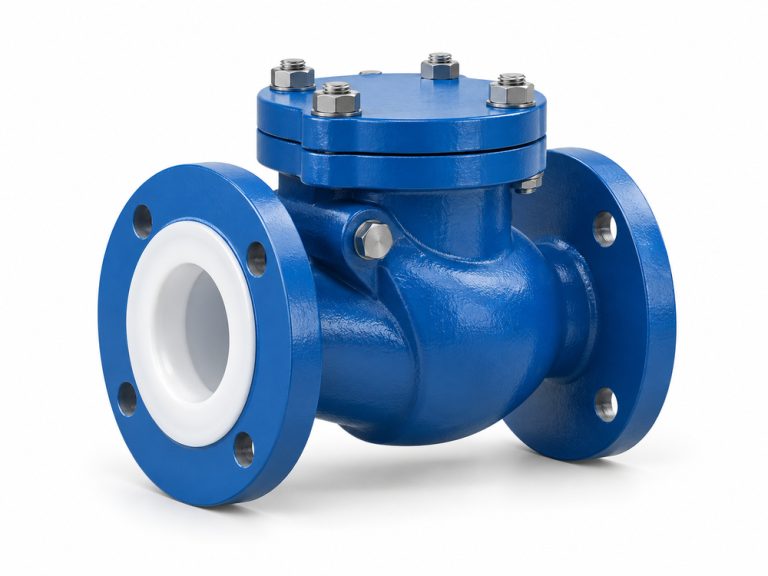
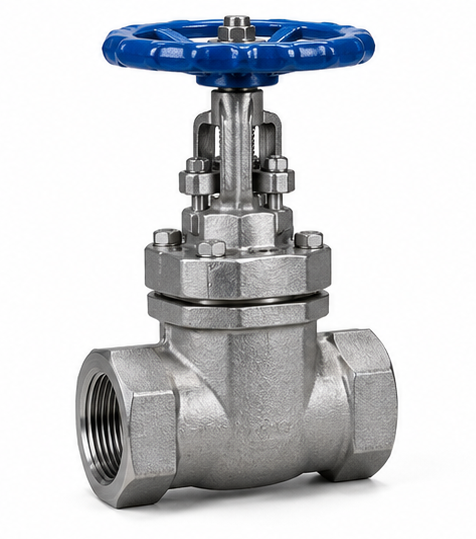
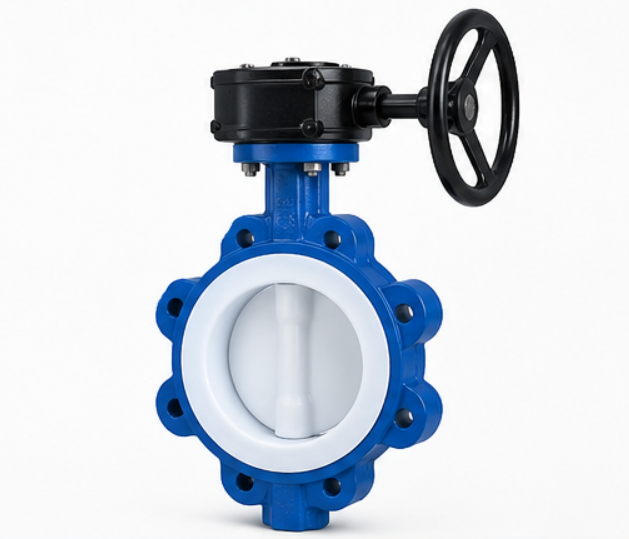
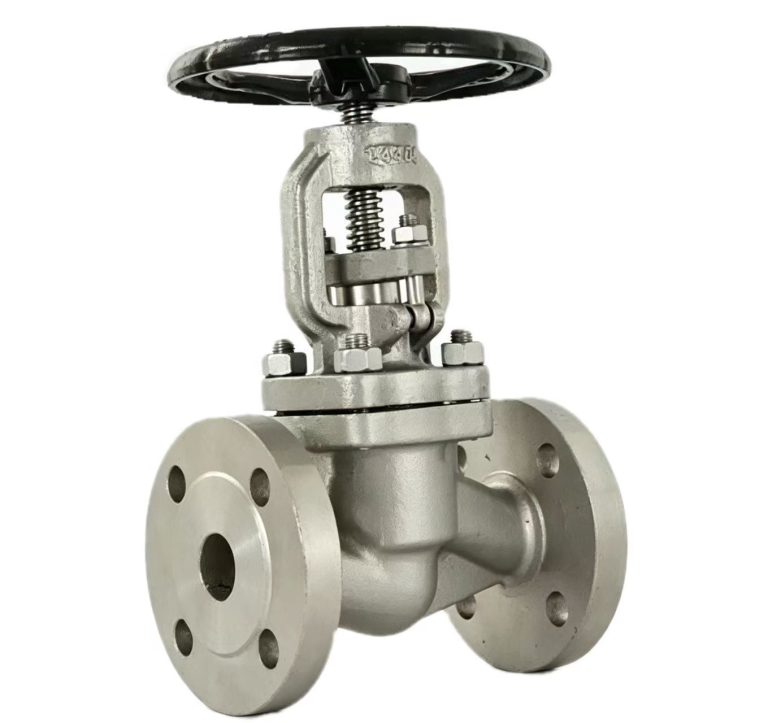
This product page refers to ball valves using PTFE seats or PTFE sealing components. It should not be confused with a fully PTFE lined ball valve, where the internal wetted body surface is lined with fluoropolymer material. If the application involves strong acid, alkali or highly corrosive media, the exact structure must be confirmed before quotation.
Key Product Features
- PTFE seat for low-friction ball rotation and reliable soft sealing
- Suitable for on-off isolation in compatible chemical and water treatment media
- Stainless steel, carbon steel or project-specific body material options
- Threaded, flanged, socket-weld, butt-weld or three-piece construction available by selected series
- Manual lever, pneumatic actuator or electric actuator options
- Reduced operating torque compared with many hard-seated designs
- Good chemical resistance within PTFE material limits
- Not a universal solution for all high-temperature, abrasive or severe corrosive applications
Product Configuration
| Configuration Item | Common Configuration | Project Options |
|---|---|---|
| Valve Type | PTFE seated ball valve | Two-piece, three-piece, flanged or threaded construction |
| Primary Function | On-off isolation | Automated on-off service with actuator |
| Seat Material | PTFE | RPTFE, PEEK, PCTFE or project-specific seat after review |
| Body Material | Stainless steel or carbon steel | 316 stainless steel, alloy material or lined structure after review |
| End Connection | Threaded or flanged | Socket weld, butt weld or project-specific connection |
| Operation | Manual lever | Pneumatic actuator, electric actuator or locking device |
Technical Specifications
| Specification Item | Typical / Available Options |
|---|---|
| Product Type | PTFE seated ball valve / soft seated ball valve |
| Primary Function | On-off isolation for compatible fluids |
| Body Construction | One-piece, two-piece, three-piece, flanged or project-specific design |
| Size Range | According to selected product series and approved drawing |
| Pressure Rating | According to body material, seat material, end connection and approved pressure-temperature rating |
| Body Material | CF8, CF8M, F304, F316, WCB, A105 or project-specified material |
| Ball Material | Stainless steel, plated carbon steel, coated material or project-specified material |
| Seat Material | PTFE, RPTFE or project-specific soft seat material |
| Stem / Seal | Stainless steel stem with PTFE or graphite packing according to service condition |
| End Connection | Threaded, flanged, socket weld, butt weld or project-specific connection |
| Operation | Manual, pneumatic actuator or electric actuator |
| Design Reference | ASME B16.34, API 608 or approved project specification where applicable |
| Testing Reference | API 598, EN 12266 or approved inspection specification where applicable |
| Typical Media | Water, compatible chemicals, utility fluids, low-pressure gas and selected corrosive media |
Technical note: Do not publish fixed pressure rating, temperature range, chemical compatibility or standard compliance until the selected valve series, seat material, body material and project conditions are confirmed.
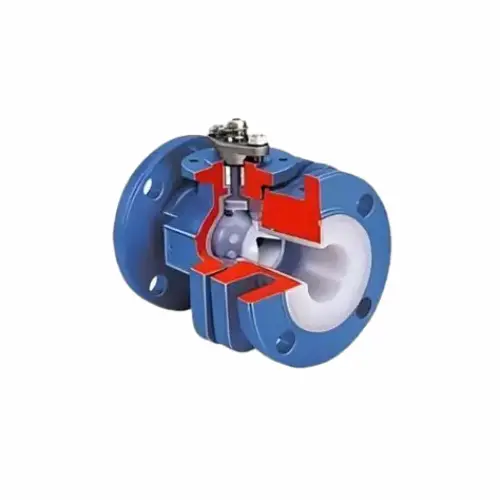
PTFE Seat Function in Ball Valves
PTFE is commonly used as a soft seat material in ball valves because it has low friction and good chemical resistance for many compatible fluids. The PTFE seat supports shutoff sealing around the ball and helps reduce operating torque compared with many harder sealing materials.
However, PTFE should not be described as universally suitable for all media. Temperature, pressure, chemical concentration, solids content, flow velocity and cycling frequency can affect seat performance. For higher temperature, abrasive or severe-service applications, RPTFE, PEEK, metal seat or a different valve design may be required.
PTFE Seated Ball Valve vs PTFE Lined Ball Valve
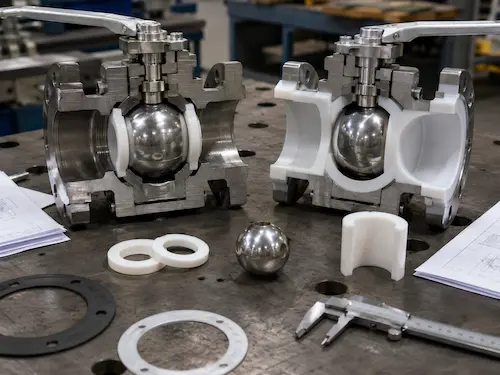
| Comparison Item | PTFE Seated Ball Valve | PTFE Lined Ball Valve |
|---|---|---|
| Main Structure | Uses PTFE seat or sealing components | Internal wetted body surface is lined with PTFE, FEP or PFA |
| Body Contact with Medium | Medium may contact metal body surfaces depending on design | Medium is isolated from metal body by lining in the wetted area |
| Typical Use | General chemical, water treatment and utility isolation | Strong corrosive acid, alkali and aggressive chemical service after review |
| Selection Risk | Do not use where metal body corrosion is unacceptable | Lining integrity, temperature, vacuum and permeation must be reviewed |
| Quotation Requirement | Confirm seat material, body material and medium compatibility | Confirm lining material, thickness, bonding, medium and temperature |
Body Material and Seat Selection
PTFE seat selection must be considered together with body material. A stainless steel body may be preferred for many chemical and water treatment applications, while carbon steel may be suitable for compatible non-corrosive service. If the medium is strongly corrosive to the metal body, a PTFE seated valve alone may not be enough.
- Stainless steel body: commonly selected for chemical, water treatment and mildly corrosive service.
- Carbon steel body: suitable for compatible utility fluids where corrosion risk is controlled.
- 316 stainless steel: useful for better corrosion resistance than 304 in many chloride or chemical environments, but still requires compatibility review.
- RPTFE seat: improves strength compared with virgin PTFE in selected applications.
- PEEK seat: may be considered for higher pressure or temperature after engineering review.
- Metal seat: used for high temperature, abrasive or severe shutoff service where soft seats are not suitable.
For corrosion-resistant stainless steel construction, compare our 316 Stainless Steel Ball Valve. For modulating flow-control service, review the V Port Ball Valve. For general ball valve structures, visit the Ball Valve category.
 Typical Applications
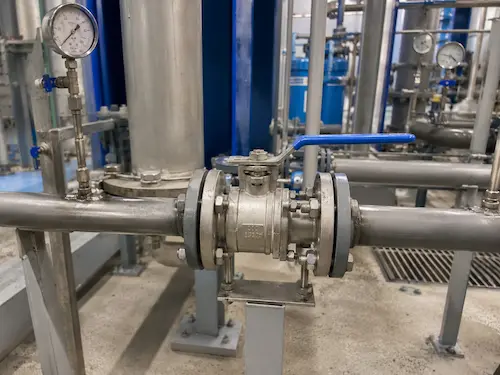 Typical Applications
PTFE seated ball valves are selected where soft-seat shutoff and chemical compatibility are required. Common service areas include:
- Chemical process isolation for compatible fluids
- Water treatment and wastewater chemical dosing lines
- Industrial utility water and process water systems
- Acid or alkali service after material compatibility review
- Solvent transfer lines where PTFE and body material are compatible
- Skid-mounted equipment and compact process systems
- Low-pressure gas and clean fluid isolation
- Pneumatic or electric automated on-off service
For broader chemical valve selection, review our Industrial Valves for Chemical Processing guide. For automated chemical service, see Electric Ball Valves in Chemical Plants.
Application Limits
- PTFE seated ball valves are mainly intended for on-off isolation, not continuous throttling.
- PTFE is not suitable for every chemical, temperature or pressure condition.
- High temperature can reduce PTFE seat strength and sealing stability.
- High pressure and frequent cycling may cause seat deformation or wear.
- Abrasive slurry, crystallizing media and solids can damage soft seats.
- Strongly corrosive media may require a fully lined valve, not only a PTFE seat.
- Steam, high-temperature oil, oxygen and vacuum service require dedicated review.
- Do not claim universal corrosion resistance without checking medium concentration and temperature.
Inspection and Documentation
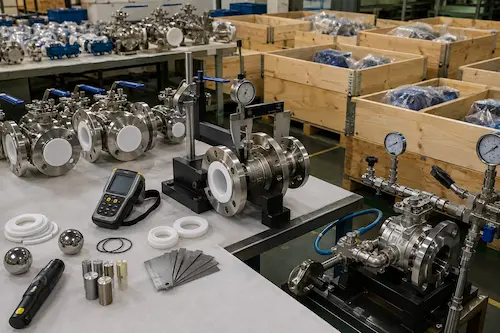
| Inspection / Document | Purpose |
|---|---|
| Material Test Certificate | Confirms body, ball, stem and pressure-containing component materials. |
| Dimensional Inspection | Checks end connection, bore, face-to-face or end-to-end length and actuator interface. |
| Shell Pressure Test | Verifies pressure-containing body integrity. |
| Seat Leakage Test | Confirms shutoff performance under the agreed test condition. |
| Operation / Torque Test | Checks smooth ball movement and supports actuator sizing. |
| Seat Material Check | Confirms PTFE, RPTFE or project-specified seat material when required. |
| PMI | Verifies alloy material chemistry when specified. |
| Final Data Book | .cates. |
Export packing should protect threaded ends, flange faces, weld ends, ball sealing surfaces, PTFE seats, actuator interfaces and machined parts. Valves can be packed with port caps, flange covers, moisture-resistant wrapping, foam separation and reinforced plywood cases according to valve size and shipping method.
Information Required for Valve Selection
- Valve size and quantity
- Medium name, concentration, temperature and phase
- Operating pressure, design pressure and pressure rating
- Body material requirement: carbon steel, 304, 316 or other material
- Seat material requirement: PTFE, RPTFE, PEEK or other seat material
- Threaded, flanged, socket-weld, butt-weld or three-piece structure requirement
- Manual, pneumatic or electric operation
- On-off isolation or modulating control requirement
- Chemical compatibility, solids content or crystallization risk
- Testing, PMI, documentation or third-party inspection requirement
FAQ
1. What is a PTFE seated ball valve?
A PTFE seated ball valve is a ball valve that uses PTFE seat material around the ball to provide soft sealing and low-friction operation. It is commonly used for compatible chemical, water treatment and utility isolation service.
2. Is a PTFE seated ball valve the same as a PTFE lined ball valve?
No. A PTFE seated ball valve uses PTFE mainly as the seat or sealing material. A PTFE lined ball valve has fluoropolymer lining on the wetted internal body surfaces. Strong corrosive media may require a lined structure instead of only PTFE seats.
3. Can PTFE seats handle all corrosive chemicals?
No. PTFE has good chemical resistance for many fluids, but compatibility still depends on chemical type, concentration, temperature, pressure and service condition. The body material must also be compatible with the medium.
4. Can a PTFE seated ball valve be used for throttling?
Standard PTFE seated ball valves are mainly used for fully open or fully closed isolation. Continuous throttling may damage the seat. For flow control service, a V port ball valve or control valve should be reviewed.
5. What information is needed for quotation?
For quotation, provide valve size, medium, concentration, temperature, pressure, body material, seat material, end connection, operation method, testing requirement and whether a PTFE lined valve is required.