Quick Summary
Bronze Valves remain common in marine engineering because bronze offers practical corrosion resistance in seawater, good machinability, reliable sealing surfaces and long service history. Marine engineers still need to confirm alloy grade, pressure rating, end connection, dezincification risk, seat material and compatibility with the piping system.
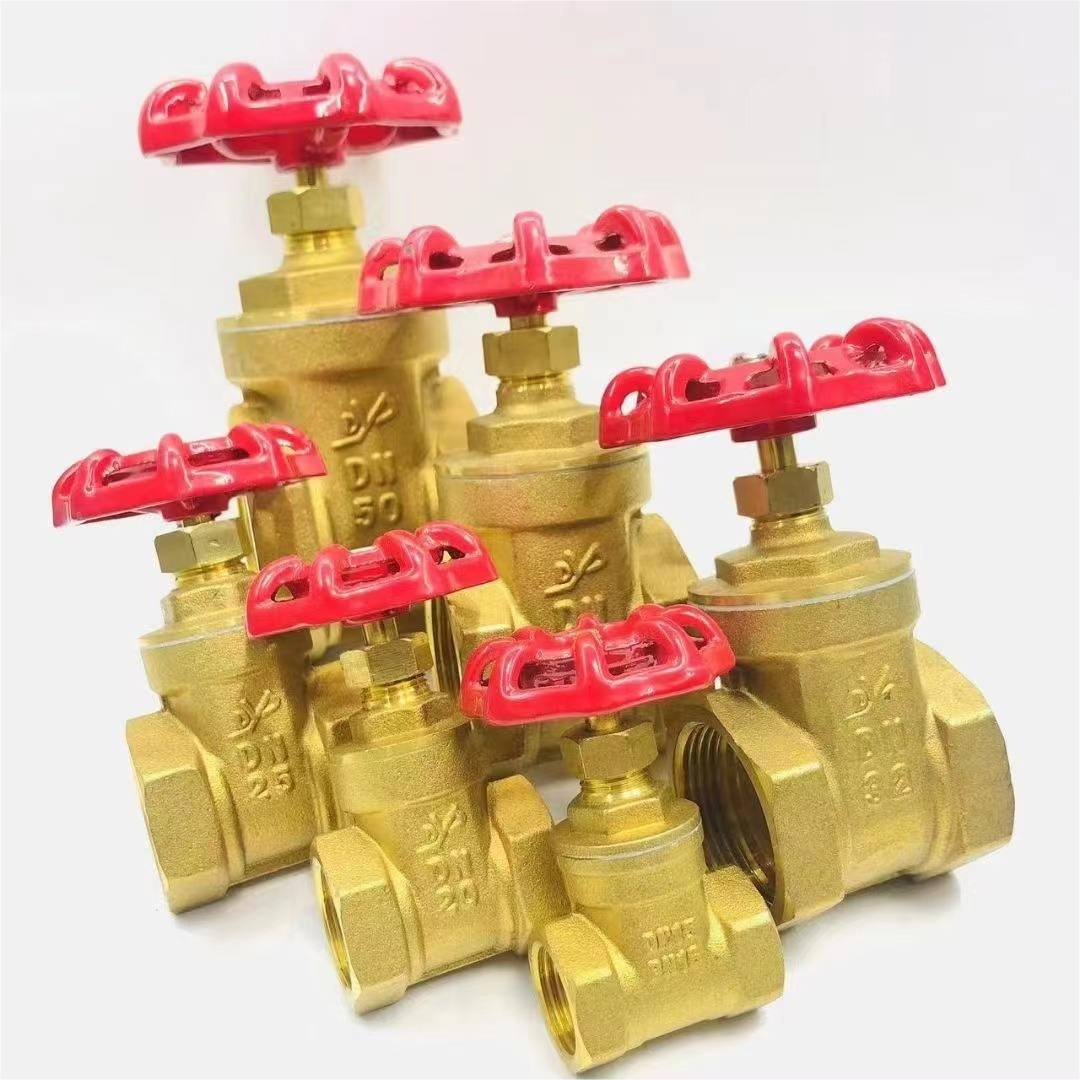
Why Marine Engineers Keep Choosing Bronze Valves
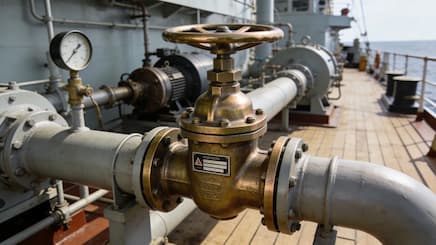
Bronze Valves are trusted in seawater and shipboard utility systems because they balance corrosion resistance, availability and maintainability. Bronze is not the correct answer for every marine duty, but it often performs better than ordinary carbon steel in wet salt environments.
When the application moves from general marine service to industrial selection, compare this article with bronze valve selection and stainless steel vs carbon steel valves.
8 Best Reasons
- Seawater corrosion resistance. Bronze can handle many seawater services better than carbon steel when the alloy is suitable.
- Good sealing performance. Bronze is machinable and can support reliable sealing surfaces in valves used for isolation.
- Long marine service history. Engineers understand its behavior, maintenance needs and limitations.
- Compatibility with shipboard systems. Bronze valves are common in cooling water, bilge, ballast and utility lines.
- Repairability. Many bronze valves can be serviced with familiar tools and spare parts.
- Reduced rust contamination. Bronze does not create the same red rust issues as carbon steel.
- Practical cost balance. It can be more economical than specialty alloys for suitable duties.
- Clear specification options. Marine buyers can request pressure rating, material certificate and test reports for project control.
Where Bronze Valves Work Best
| Marine Area | Typical Duty | Selection Note |
|---|---|---|
| Cooling water | Isolation and regulation | Check seawater velocity and alloy grade |
| Bilge and ballast | Drainage and isolation | Confirm debris and maintenance access |
| Deck services | Utility water lines | Check external exposure and thread/flange choice |
| Fire systems | Reliable shutoff | Confirm required approvals and test records |
Limits Marine Buyers Should Check
Bronze is not a universal seawater material. High velocity, ammonia contamination, galvanic pairing and unsuitable alloy selection can reduce service life. For formal project documentation, connect material choice with international standards in valve manufacturing.
Bronze Valves Inspection and Procurement Notes
Marine buyers should confirm the bronze valve alloy, pressure rating, end connection, seat material and test standard before shipment. A good inspection package should include material certificates, pressure test reports, marking photos and confirmation that the valve type matches the shipboard duty.
Bronze valves should also be checked against the surrounding piping materials. If bronze is connected with stainless steel, carbon steel or other alloys in seawater, galvanic corrosion needs review. The engineering team should confirm whether isolation gaskets, coatings or alternative material choices are required.
For maintenance, record stem movement, packing condition, external corrosion and any signs of dezincification or unusual surface attack. These notes help marine engineers decide whether bronze valves remain the best option or whether stainless steel, duplex stainless or another alloy should be considered for a more severe line.
When Marine Valves Are Not Enough
Marine engineers should avoid treating bronze valves as a universal solution. Severe cavitation, very high velocity, unusual chemicals or strict project approvals may require another alloy or a different valve design. The safest decision comes from comparing service data with material compatibility, not from habit alone.
For critical shipboard lines, copper-alloy valves should be reviewed with the piping class and maintenance plan. If the valve is hard to access or must remain reliable during long voyages, documentation and spare parts become just as important as purchase price.
For copper alloy background, buyers can also review technical information from the Copper Development Association.
FAQ
Are copper-alloy valves good for seawater?
Yes, suitable bronze alloys are widely used in seawater service, but velocity, chemistry and galvanic conditions must be checked.
Are copper-alloy valves better than stainless steel in marine systems?
It depends on duty. Bronze is practical for many seawater utilities, while stainless or specialty alloys may be needed for higher corrosion or pressure demands.
What should be specified when buying copper-alloy valves?
Specify alloy grade, valve type, pressure rating, connection, seat material, test standard and required certificates.