Quick Summary
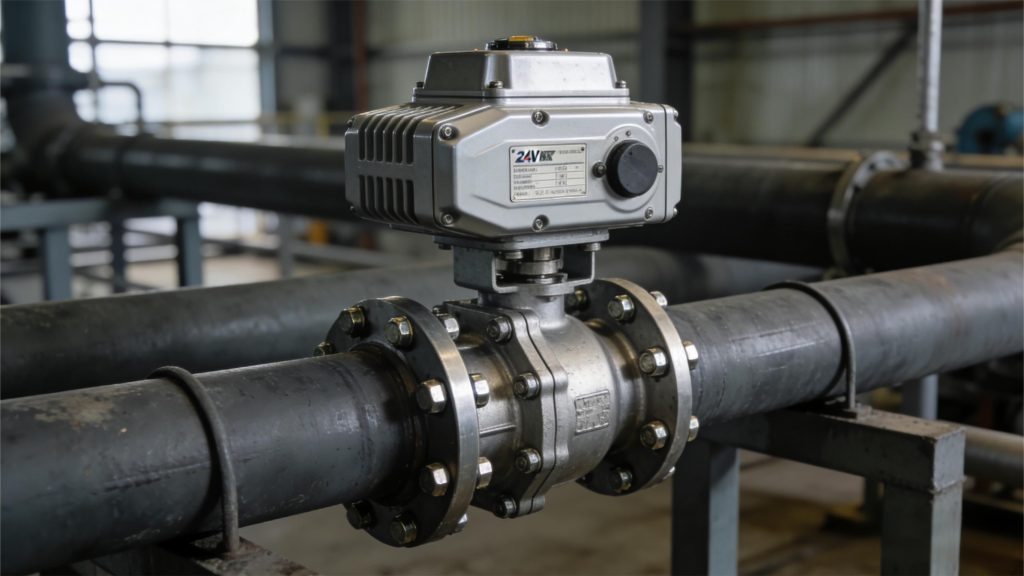
24V DC actuator valves are electromechanical devices that use electric torque to open, close, or position valves with precision. Popular in industrial automation, these low-voltage workhorses balance energy efficiency, safety, and affordability—making them a top choice for HVAC systems, wastewater treatment, and power plants.
The Factory Floor Dilemma
Imagine this: A maintenance engineer at a food processing plant is scrambling to fix a valve failure on a production line. The old AC actuator valve guzzled energy, overheated frequently, and its wiring was a tangled mess—causing costly downtime. Sound familiar? For many industrial teams, unreliable valve systems result in missed deadlines, increased energy bills, and safety risks. Enter the 24V DC actuator valve: the unsung hero that solves these headaches and keeps operations running smoothly.
User Pain Points
High Energy Costs & Operational Inefficiency
Traditional AC actuator valves often consume excess power, driving up utility bills for factories and process plants. Many older models lack precision control, leading to wasted resources that hurt bottom lines.
Safety Risks & Complex Maintenance
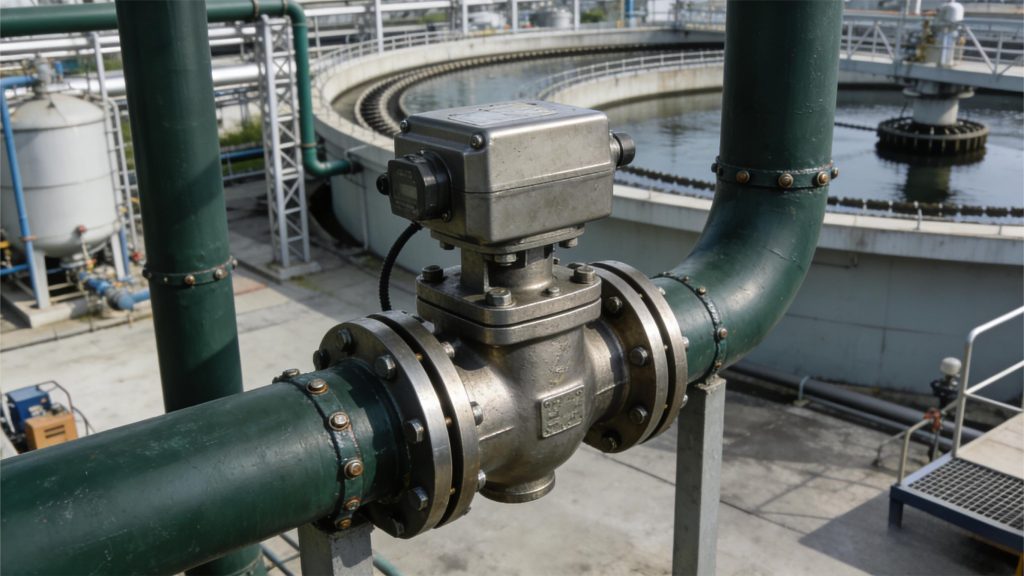
High-voltage AC valves pose significant electric shock hazards, particularly in damp or corrosive environments such as wastewater treatment plants.
Poor Compatibility & Limited Versatility
Many industrial systems struggle with mismatched valves: AC models may not integrate with low-voltage setups, while one-size-fits-all designs fail to adapt to specific applications.
Recommendations
Solution 1 – Opt for Energy-Efficient 24V DC Actuator Valves
Swap high-consumption AC valves for 24V DC actuator valves to cut energy use by up to 30%. Their low-voltage design requires less power to operate, while modulating control ensures resources are used only as needed—perfect for cost-conscious plants.
Solution 2 – Prioritise Safety & Simplified Maintenance
Choose 24V DC actuator valves for their inherent safety and user-friendly design. Many models feature detachable wiring harnesses and corrosion-resistant materials, slashing maintenance time by 40% compared to AC alternatives. Always follow manufacturer guidelines: disconnect power before servicing to avoid hazards.
Solution 3 – Select Application-Specific Valves with Modulating Control
Match your 24V DC actuator valve to your needs: opt for quarter-turn valves for quick on/off operations or linear models for precise flow regulation. Look for compatibility with control signals like 4-20mA or 0-10V to integrate seamlessly with existing automation setups.
Case Analysis: How a Brewery Cut Costs with 24V DC Actuator Valves
A mid-sized craft brewery in Yorkshire faced recurring issues with its aging AC valve system: monthly energy bills exceeded £1,200, and valve failures caused 8 hours of downtime per month. After switching to 24V DC actuator valves for their wort heating and cooling lines, the brewery saw immediate results:
- Energy costs dropped by 27%
- Downtime reduced to 1 hour per month
- Maintenance time cut by 50% thanks to simplified wiring and corrosion-resistant materials
The brewery’s engineering manager noted: “The 24V DC valves integrate perfectly with our solar-powered system and give us the precision we need for consistent beer quality. It’s a game-changer for small-scale production.”
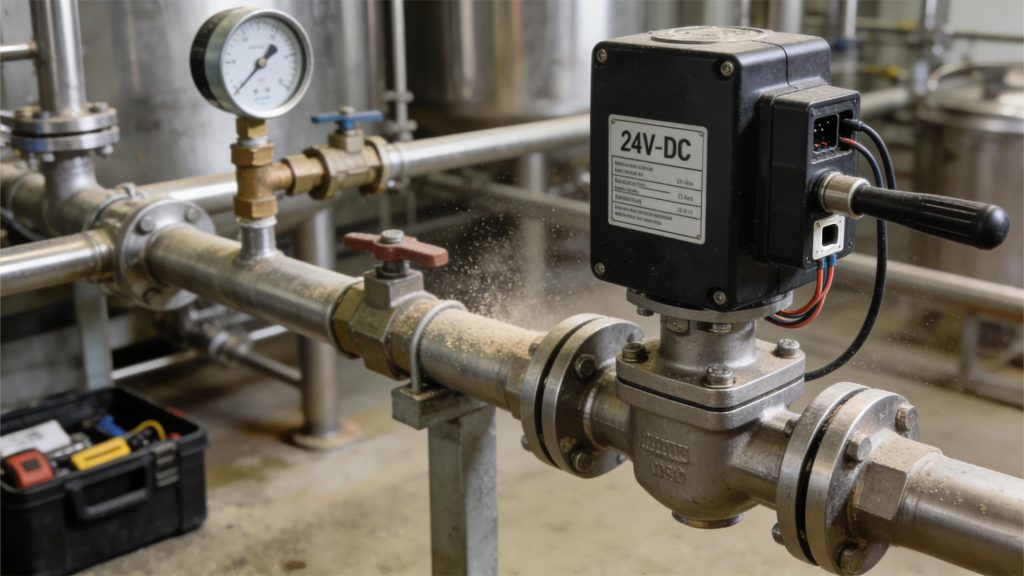
Data Analysis: AC vs. 24V DC Actuator Valves
| Feature | 24V DC Actuator Valve | AC Actuator Valve (230V) |
| Energy Consumption | Low (5-10W typical) | High (15-30W typical) |
| Safety | Low voltage (safer in damp environments) | High voltage (shock risk) |
| Precision Control | Excellent (modulating 0°-90°) | Limited (mostly on/off) |
| Maintenance Time | 1-2 hours/year | 4-6 hours/year |
| Compatibility | Solar, batteries, low-voltage systems | Mains power only |
| Cost (Initial) | £80-£200 | £150-£350 |
| Operational Cost (Annual) | £20-£50 | £80-£150 |
Data sourced from Tameson Industrial Valves and Joyfay International Engineering Reports (2024)
Trends & Market Insights
The global 24V DC actuator valve market is projected to grow at a CAGR of 6.2% from 2024 to 2030, driven by the rise in industrial automation and demand for energy-efficient solutions . Key trends include:
- Smart Integration: More valves now feature IoT connectivity for remote monitoring—critical for industries like power plants and pipelines.
- Eco-Friendly Materials: Manufacturers are using recycled stainless steel and biodegradable lubricants to meet sustainability goals.
- Miniaturisation: Compact 24V DC valves are gaining traction in portable applications and tight spaces.
Usage & Style Recommendations
Best Practices for 24V DC Actuator Valve Installation
Assess the Environment: Use corrosion-resistant valves in damp or chemical-exposed areas.
Check Voltage Compatibility: Ensure your power supply matches the valve’s requirements (24V DC) to avoid damage.
Lubricate Regularly: Apply silicone-based lubricant every 6 months to prevent handle oscillation and extend lifespan.
Follow Wiring Diagrams: Incorrect wiring causes 70% of valve failures—use the manufacturer’s guide.
Style Tip – Keep It Simple
Industrial settings demand reliability over flair, but that doesn’t mean sacrificing functionality. Choose 24V DC actuator valves with clear labeling and intuitive controls.
Conclusion
24V DC actuator valves are the backbone of modern industrial automation—offering energy efficiency, safety, and precision that AC alternatives can’t match. Whether you’re upgrading an old system or building a new one, these valves solve critical pain points while reducing costs and downtime.
FAQ
Q1: What is a 24V DC actuator valve used for?
A: It’s used to control fluid flow, pressure, or temperature in industrial and commercial systems—including HVAC, wastewater treatment, power plants, and food factories.
Q2: Is 24V DC safer than AC for actuator valves?
A: Yes! 24V DC is a low-voltage standard, reducing electric shock risks—ideal for damp or hazardous environments.
Q3: Can 24V DC actuator valves be used with solar power?
A: Absolutely. Their DC design integrates seamlessly with solar panels and batteries for a fail-safe, off-grid operation.
Q4: How long do 24V DC actuator valves last?
A: With proper maintenance, they typically last 8-10 years—2-3 years longer than standard AC valves.
Q5: What is modulating control in 24V DC actuator valves?
A: Modulating control allows continuous adjustment of the valve (0°-90°) to match system demand, improving energy efficiency and precision.
Q6: Do 24V DC actuator valves require special wiring?
A: No—most use simple wiring (e.g., RED for OPEN, WHITE for CLOSE) and are compatible with standard control signals (4-20mA, 0-10V).
Q7: How do I troubleshoot a 24V DC actuator valve that won’t operate?
A: Check for loose wiring, thermal overload, or a damaged motor. Disconnect power before inspecting, and refer to the manufacturer’s troubleshooting guide.