Quick Overview
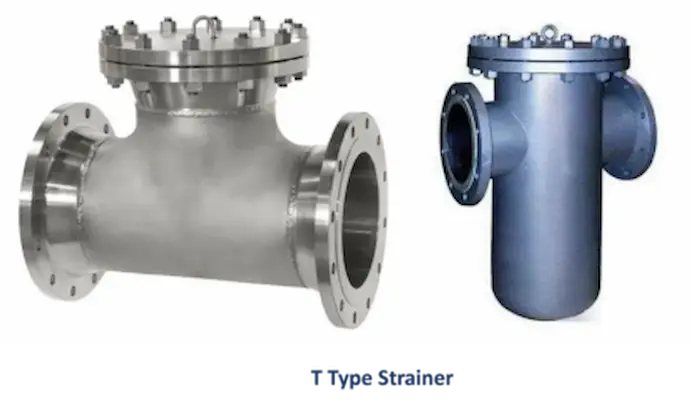
Our T-type strainer is a critical yet often underestimated component in pipeline systems. Installed upstream of pumps, control valves, and sensitive equipment, it captures debris before damage occurs. In this guide, Vcore Valve explains how T-type strainers work, how they compare with other strainer types, and how to select the right design for long-term system reliability and efficiency.
Opening Scenario: A Common Engineering Conversation
“Why did the control valve fail after only six months?”
In many cases, the answer is simple: inadequate filtration. Engineers often focus on valves and pumps while overlooking the importance of a properly selected industrial strainer. A well-designed T strainer valve can significantly extend equipment lifespan and reduce unplanned downtime.
User Pain Points
Frequent equipment damage
Unfiltered debris such as rust, scale, and welding slag can severely damage pumps and valves.
Confusion between strainer types
Many buyers struggle to choose between T-type strainers, Y strainers, and basket strainers.
High maintenance costs
Poorly selected strainers clog quickly, increasing pressure drop and maintenance frequency.
Solutions and Practical Recommendations
Install strainers at critical locations
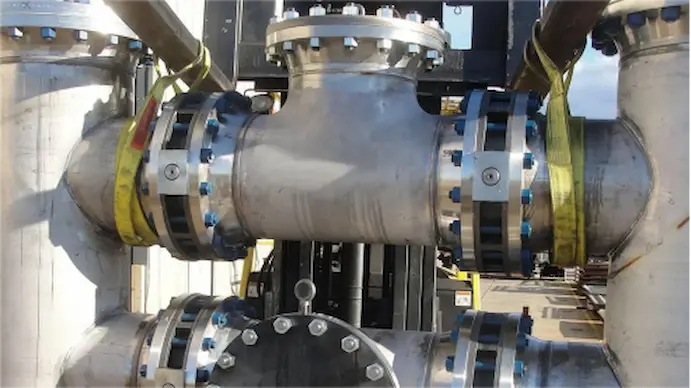
A T type strainer should be installed upstream of pumps, flow meters, and control valves to prevent particle ingress.
Select the right mesh size
Choosing the correct screen mesh balances filtration efficiency and pressure drop.
Match strainer design to pipeline layout
T-type strainers are ideal for horizontal pipelines where easy access and cleaning are required.
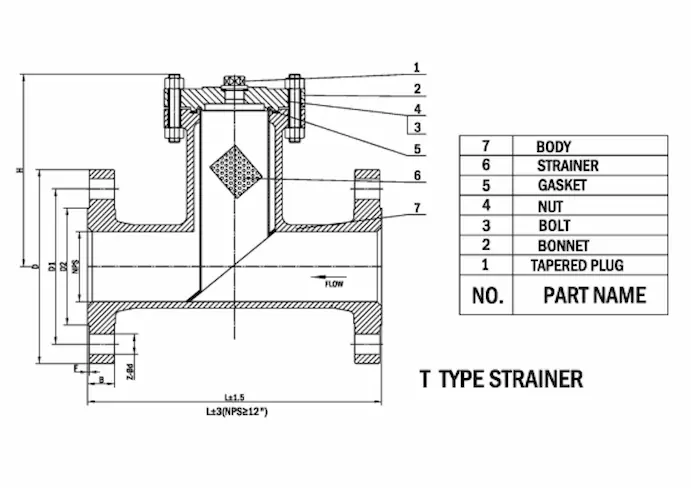
Case Analysis and Practical Examples
Case 1: Industrial cooling water system
A DN200 T strainer valve installed upstream of centrifugal pumps reduced impeller wear by over 40%, cutting maintenance costs significantly.
Case 2: Oil and gas auxiliary pipeline
Using a carbon steel pipeline strainer with stainless steel screen prevented valve seat damage during commissioning, improving overall system reliability.
Data, Technical Analysis and Comparison
Working principle of a T-Type Strainer
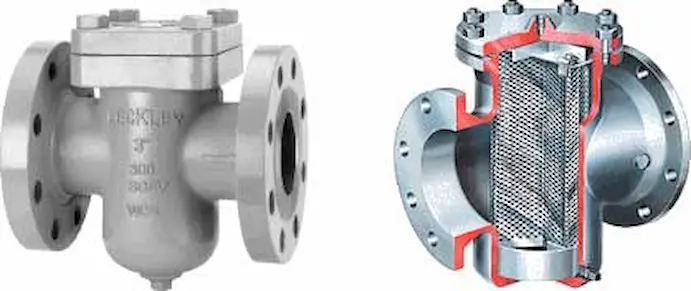
A T-type strainer works by diverting flow through a perforated or mesh screen housed in a T-shaped body. Solid particles are trapped in the screen basket while clean fluid continues downstream. The removable cover allows quick inspection and cleaning.
T-Type Strainer vs Other Strainers
| Feature | T-Type Strainer | Y Strainer | Basket Strainer |
|---|---|---|---|
| Installation | Horizontal | Horizontal/Vertical | Horizontal |
| Filtration area | Medium to large | Small | Very large |
| Pressure drop | Moderate | Higher | Low |
| Maintenance | Easy | Moderate | Easy |
| Typical applications | Water, oil, gas | General service | High-flow systems |
Market Trends and Industry Insights
With rising emphasis on system efficiency and equipment protection, demand for industrial strainers is growing steadily. Modern plants increasingly specify T strainer valves with blow-off ports and differential pressure indicators to simplify maintenance. Vcore Valve continues to optimise strainer designs for durability, corrosion resistance, and easy servicing.
Style and Usage Recommendations
-
Use T-type strainers in horizontal pipelines
-
Select stainless steel screens for corrosive or high-temperature media
-
Ensure sufficient clearance for screen removal
-
Combine with pressure gauges to monitor clogging
Correct installation and periodic inspection are key to maximising strainer performance.
Conclusion
A properly selected T-type strainer is a small investment that delivers substantial protection for pumps, valves, and process equipment. By understanding its working principle, advantages, and selection criteria, engineers can prevent failures and optimise system performance.
For customised industrial strainer solutions, contact Vcore Valve for expert technical advice and reliable products built for demanding applications.
FAQs
What is a T-type strainer used for?
It removes solid particles from fluid systems to protect downstream equipment.
How is a T-type strainer different from a Y strainer?
T-type strainers offer larger filtration area and easier maintenance in horizontal pipelines.
Can a T strainer be installed vertically?
The permitted installation orientation depends on the specific T-strainer design. Some models support both horizontal and vertical installation, while others require a particular orientation for debris collection and screen removal. Always follow the manufacturer’s installation instructions.
What materials are available for T-type strainers?
Common materials include cast iron, carbon steel, stainless steel, and ductile iron.
How often should a T-type strainer be cleaned?
Cleaning frequency depends on media cleanliness and operating conditions.
Does a strainer affect flow rate?
Yes, but correct mesh selection minimises pressure drop.
Reference
-
ASME B16.34 Valve Standards
-
API Recommended Practices for Pipeline Filtration
-
Hydraulic Institute Filtration Guidelines
-
Valve and Actuator Manufacturers Technical Manuals