Quick Summary
The butterfly valve price can vary significantly—even for valves that appear similar at first glance. From materials and pressure ratings to certification and manufacturing processes, multiple factors influence the final cost. This guide explains the most important elements affecting butterfly valve pricing, helping buyers make informed, cost-effective decisions without compromising safety or performance.
Opening Scenario
You receive two quotations for what seems like the same butterfly valve.
One is surprisingly cheap. The other costs noticeably more.
So what’s the real difference—and which one will cost you less in the long run?
User Pain Points
Unclear pricing differences between suppliers
Buyers often struggle to understand why butterfly valve prices vary so widely.
Hidden costs after purchase
Low initial prices can lead to higher maintenance, leakage, or replacement costs.
Over-specifying or under-specifying valves
Choosing the wrong specification can unnecessarily inflate costs—or create operational risks.
Solutions and Recommendations
Understand the real cost structure
Price should reflect materials, testing, standards, and lifecycle performance—not just size.
Match valve specification to application
Avoid paying for pressure classes or materials that your system does not require.
Work with transparent manufacturers
Suppliers who clearly explain pricing factors reduce risk and long-term expense.
Case Studies and Examples
Municipal water project
A client initially selected the lowest-priced butterfly valve. After repeated seal failures, they switched to a slightly higher-priced model with a resilient seat and proper coating—reducing total cost of ownership by over 30%.
Industrial cooling system
By optimising valve body material and pressure rating, Vcore Valve helped the customer reduce unit price without affecting system reliability.
Butterfly Valve Cost vs Lifecycle Performance
|
Valve Type |
Initial Price | Maintenance Cost | Expected Service Life | Total Cost Over Time |
|---|---|---|---|---|
| Low-cost Cast Iron Valve | Low | High | Short | High |
| Ductile Iron Butterfly Valve | Medium | Low | Medium–Long | Medium |
| Stainless Steel Butterfly Valve | High | Very Low | Long | Low |
Data Comparison
Butterfly Valve Price Factors Comparison Table
| Price Factor | Low Cost Option | Mid Range Option | High-End Option | Impact on Price |
|---|---|---|---|---|
| Valve Body Material | Cast Iron | Ductile Iron | Stainless Steel | ★★★★☆ |
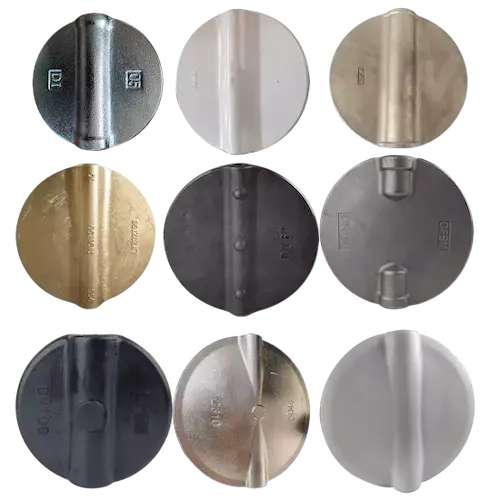
| Disc Material | Iron / Coated Iron | Ductile Iron | SS304 / SS316 | ★★★★☆ |
| Seat Material | NBR | EPDM | PTFE / Metal Seat | ★★★☆☆ |
| Pressure Rating | PN10 / Class 150 | PN16 | PN25 / PN40 | ★★★★☆ |
| Valve Size | DN50–DN150 | DN200–DN400 | DN450+ | ★★★★★ |
| Coating Type | Basic Paint | Epoxy Coating | FBE / Special Coating | ★★★☆☆ |
| Certification | None | EN / ISO | API / WRAS / CE | ★★★☆☆ |
| Testing Standard | Visual Test | Hydrostatic Test | Full Pressure + Leakage Test | ★★★★☆ |
Trends / Market Insights
The global butterfly valve market is shifting toward value-based pricing rather than purely cost-driven purchasing. End users increasingly prioritise reliability, compliance, and lifecycle cost. Manufacturers offering transparent pricing logic and technical support gain stronger long-term partnerships.
Style / Usage Recommendations
-
Choose ductile iron valves for most water applications
-
Use stainless steel only where corrosion demands it
-
Avoid unnecessary high-pressure ratings
-
Always compare valves based on total lifecycle cost, not unit price
Conclusion
Understanding the factors behind butterfly valve prices allows buyers to balance cost, performance, and reliability. A well-selected valve saves money not only at purchase, but throughout its service life.
Vcore Valve provides transparent pricing, engineered solutions, and dependable butterfly valves tailored to real-world applications.
FAQs
Why do butterfly valve prices vary so much?
Differences in materials, pressure rating, sealing design, and quality control all affect price.
Is a cheaper butterfly valve always a bad choice?
Not necessarily, but it must match the application requirements precisely.
Does valve size greatly affect price?
Yes. Larger sizes significantly increase material and manufacturing costs.
How important is coating quality?
Very important, especially for corrosion resistance and service life.
Can I reduce cost by lowering specifications?
Yes, but only if the application allows it safely.
Does certification increase valve price?
Yes, but it also ensures compliance and reliability.
Reference
-
EN 593 – Butterfly Valves
-
ISO 5208 – Pressure Testing of Valves
-
API 609 – Butterfly Valves