Quick Overview
In industrial environments, safety is paramount. Lockable ball valves play a vital role in controlling access to critical systems and preventing unauthorized operations. They are designed to reduce risks, ensure compliance with safety standards, and improve operational safety in industries such as oil and gas, water treatment, and manufacturing.
Introduction: The Importance of Valve Safety
In industrial settings, managing fluid or gas flow is crucial. However, controlling who has access to those systems is just as important. Lockable ball valves are an essential safety feature for systems where unauthorized access could lead to catastrophic consequences. These valves allow operators to lock the valve in either the open or closed position, ensuring that no one can tamper with the system when it’s locked. This article explores the benefits and applications of lockable ball valves.
Key Pain Points in Industrial Safety
-
Unauthorized Access: In many industrial facilities, unauthorized personnel may unintentionally open or close critical valves, leading to accidents or system malfunctions.
-
Compliance with Safety Regulations: Many industries have strict safety regulations requiring valves to be locked during maintenance or when not in use to prevent accidents.
-
Lack of Proper Safety Features: Many traditional valves do not offer adequate safety measures, increasing the risk of mishandling and operational errors.
Solutions and Recommendations for Valve Safety
-
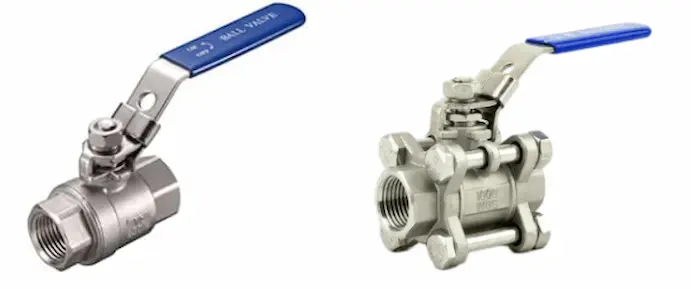
Implement Lockable Ball Valves: Lockable ball valves are specifically designed to address safety issues. They can be locked in a position to ensure that only authorized personnel have control over the flow of materials.
-
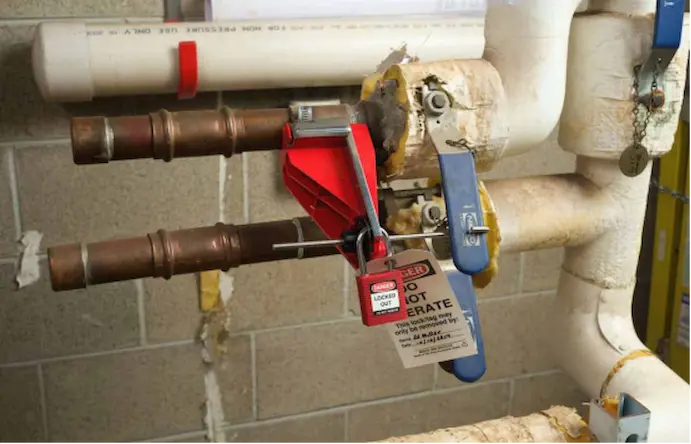
Use Lockout/Tagout Procedures: Incorporate lockout/tagout protocols for all critical valves. This prevents unauthorized operation and ensures compliance with safety standards.
-
Ensure Regular Maintenance: Regularly check the functionality of lockable ball valves to ensure they are operating properly and locked securely when needed.
For more detailed information about industrial valve options, check our Ball Valve Product Range.
Case Study: Lockable Ball Valves in Oil and Gas Operations
In the oil and gas industry, a large offshore drilling operation faced frequent issues with unauthorized valve operation, leading to several near-misses. After implementing lockable ball valves, they saw a significant reduction in safety incidents. The valves could now be securely locked during maintenance, preventing accidental operation.
Outcome
The facility was able to reduce operational risks and maintain strict adherence to safety protocols. Lockable ball valves ensured that only authorized personnel had access to the valves, greatly improving the overall safety of the operation.
Check out more information about our company on the About Us page.
Data and Scientific Analysis
| Feature | Lockable Ball Valves | Non-Lockable Ball Valves |
|---|---|---|
| Locking Mechanism | Yes | No |
| Compliance with Safety Regulations | High | Low |
| Risk Reduction | Significant reduction | Higher risk of errors |
| Ideal for | High-risk environments | General applications |
| Maintenance Safety | Enhanced | Standard |
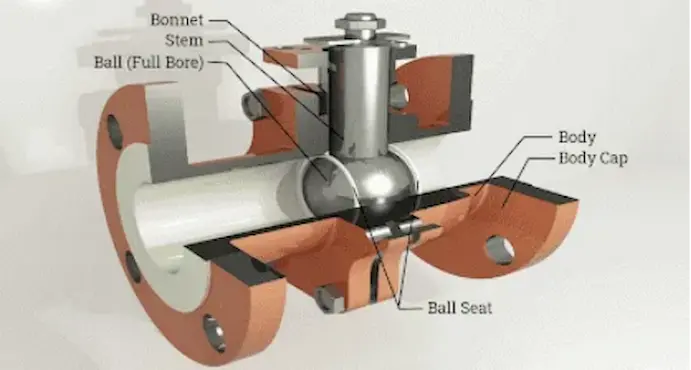
This table compares lockable ball valves with standard non-lockable valves, highlighting their significant safety benefits, especially in high-risk applications like oil and gas operations.
For more insights on valve coefficient calculations and technical data, refer to our article on How to Interpret Valve Flow Coefficient (CV) Charts..
Market Insights
The use of lockable ball valves is expanding across industries. With increasing regulations and safety concerns, industries such as oil and gas, water treatment, and pharmaceuticals are adopting lockable valves to meet strict safety standards and prevent accidents. The trend is moving towards incorporating advanced safety features into industrial equipment to mitigate operational risks.
Style and Usage Suggestions
When selecting a lockable ball valve, consider the following:
-
High-Risk Applications: If your industry deals with high-pressure systems or hazardous materials, lockable ball valves should be a standard part of your safety protocol.
-
Compliance Needs: Ensure that the valves meet the safety standards required by your industry, such as OSHA or other regulatory bodies.
-
Valve Maintenance: Ensure that lockable ball valves are regularly maintained to function properly and remain secure.
Conclusion
Lockable ball valves provide essential safety features in industrial environments. By preventing unauthorized access, enhancing compliance with safety regulations, and reducing risks, they are a critical part of modern industrial valve systems. Selecting ball valves with suitable lockout provisions can improve operational control and maintenance safety..
FAQs
1. What is a lockable ball valve?
A lockable ball valve is a valve that can be locked in place to prevent unauthorized operation, ensuring that only authorized personnel can control the flow of materials.
2. Why are lockable ball valves important for industrial safety?
Lockable ball valves are essential in preventing unauthorized access to critical systems, reducing risks of accidents, and ensuring compliance with safety regulations.
3. Can lockable ball valves be used in high-pressure systems?
Yes, lockable ball valves are available for high-pressure applications and are widely used in industries such as oil and gas and chemical processing.
4. How do lockable ball valves improve compliance with safety regulations?
By providing a secure lockout mechanism, these valves help facilities comply with safety standards that require valves to be locked during maintenance or when not in use.
5. Are lockable ball valves more expensive than standard ball valves?
While lockable ball valves may cost more upfront, the safety benefits they provide often result in lower operational risks and long-term cost savings.