Quick Overview
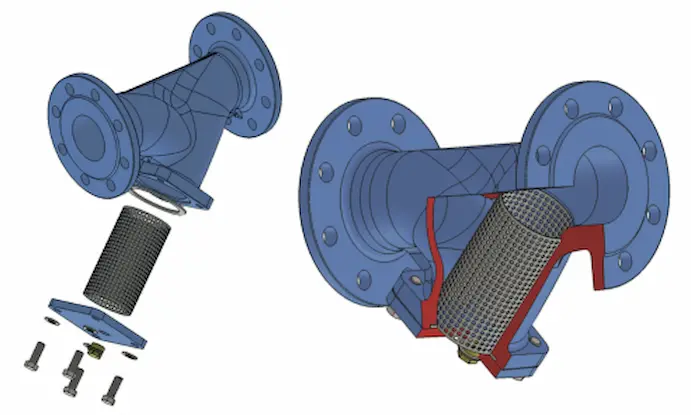
The Y-strainer is a crucial component in many industrial piping systems, offering effective filtration to prevent debris and particles from damaging pumps and valves. Understanding the correct placement of the Y-strainer is essential for optimal performance. In this article, we discuss the best practices for Y-strainer installation, the benefits of proper placement, and common mistakes to avoid.
Introduction: The Importance of Y-Strainer Placement
In industrial applications, proper filtration is key to the smooth operation of pipelines. A Y-strainer filters out debris and particles from the fluid or gas flow, protecting sensitive components like pumps, valves, and flow meters. However, its effectiveness heavily depends on where it’s installed. Improper placement can compromise the strainer’s efficiency, leading to damage, increased maintenance costs, or even system failure.
Key Pain Points in Y-Strainer Placement
-
Incorrect Installation: Improper positioning or orientation of the Y-strainer can cause flow restrictions, reducing the system’s overall efficiency.
-
Clogging Issues: If placed in a location with high debris flow, the Y-strainer may clog faster, requiring more frequent cleaning or replacement.
-
Maintenance Challenges: Accessing the Y-strainer for maintenance can be difficult if it’s placed in an inconvenient spot, leading to downtime and increased labor costs.
Solutions and Recommendations for Proper Y-Strainer Placement
-
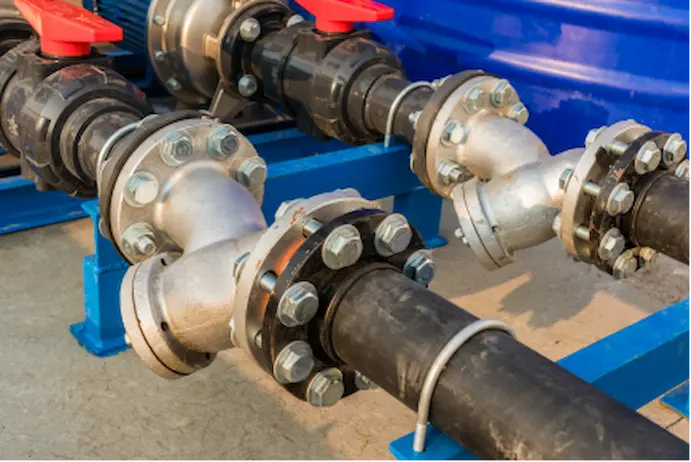
Place Near Critical Equipment: Y-strainers should be placed upstream of pumps, valves, and flow meters to protect these components from debris that could cause damage.
-
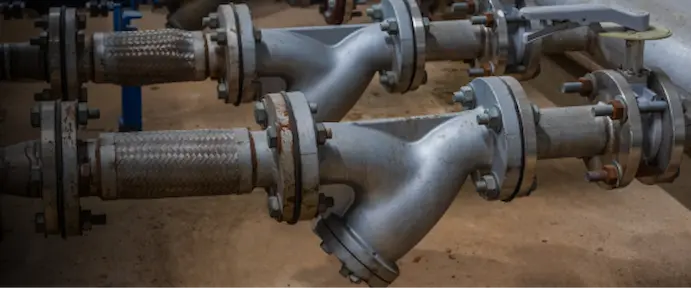
Install in Horizontal Piping: Y-strainers are most effective when installed in horizontal piping systems. This ensures proper drainage and prevents debris from collecting in the strainer basket.
-
Ensure Proper Orientation: The strainer should be oriented with the flow direction marked on the body. This ensures that the debris flows into the strainer and is captured effectively.
Case Study: Optimal Y-Strainer Placement in a Chemical Processing Plant
In a chemical processing plant, a Y-strainer was initially placed downstream of a pump, causing frequent clogging and downtime. After relocating the strainer to an upstream position, closer to the pump, and ensuring it was installed horizontally, the plant experienced fewer maintenance interruptions and improved system performance.
Outcome
Proper Y-strainer placement not only reduced clogging but also extended the lifespan of the pumps and valves, resulting in a more reliable and efficient plant operation.
Data and Scientific Analysis
| Strainer Placement Location | Effect on System | Maintenance Impact |
|---|---|---|
| Upstream of Pumps and Valves | Prevents debris from damaging critical components | Reduces clogging, lower maintenance |
| Downstream of Pumps | Leads to clogging due to high debris flow | Requires more frequent cleaning |
| Horizontal Installation | Ensures better debris flow and drainage | Reduces system strain and clogging |
This table highlights the impact of Y-strainer placement on system efficiency and maintenance.
Trends and Market Insights
As industries move towards higher efficiency and cost-effectiveness, the placement of Y-strainers has gained significant attention. Companies are prioritizing optimal filtration system setups to reduce unplanned downtime, improve system reliability, and lower operational costs. Y-strainers are increasingly seen as a long-term investment in pipeline health, with smart placement being a key consideration for engineers and maintenance teams.
Style and Usage Suggestions
-
For High-Debris Environments: Install Y-strainers closer to the entry point of fluid or gas flow to prevent debris from entering the system and causing damage to expensive components.
-
In Tight Spaces: If space is limited, ensure that the Y-strainer is installed in an accessible location to facilitate easy cleaning and replacement.
-
Regular Maintenance: Even with proper placement, routine checks and cleaning are essential to maintain optimal strainer performance and avoid clogging.
Conclusion
Proper Y-strainer placement is essential for maintaining the efficiency and longevity of industrial piping systems. By positioning the strainer in the right location, Vcore valve ensure proper orientation, and considering maintenance accessibility, businesses can prevent system failures, reduce maintenance costs, and increase operational uptime.
FAQs
1. Where should I place a Y-strainer in my system?
A Y-strainer should be placed upstream of pumps, valves, and other sensitive equipment to filter debris before it causes damage.
2. Can a Y-strainer be installed vertically?
Although Y-strainers can be installed vertically, it is most effective in horizontal piping systems for better drainage and performance.
3. How often should a Y-strainer be cleaned?
Y-strainers should be cleaned regularly, depending on the level of debris in the system. In high-debris environments, cleaning may be required monthly or more frequently.
4. What size Y-strainer should I use?
A Y-strainer should be selected according to pipe size, design flow rate, allowable pressure drop, fluid viscosity, screen opening, debris loading, and required cleaning frequency.
5. Can I use a Y-strainer for all types of fluids?
Y-strainers are suitable for most fluids, but it’s essential to choose the correct mesh size based on the type of fluid and the debris to be filtered.
References
-
Y-Strainer Installation Guide