
How Coatings Help Prevent Scaling on Gate Valves
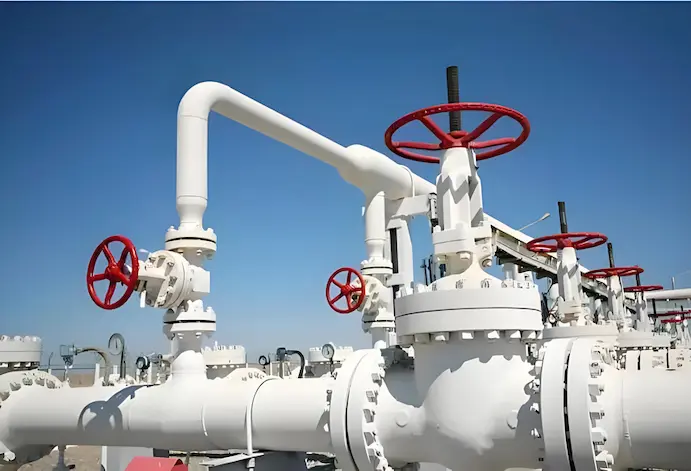
Learn how scaling affects gate valve operation in water treatment, industrial water, chemical, oil and gas, and mineral-rich pipeline systems. This guide explains how scale deposits can cause sticking, incomplete opening or closing, increased torque, leakage risk, and maintenance problems, while covering coating options such as epoxy, ceramic, and fluoropolymer coatings, fluid-chemistry control, inspection routines, cleaning practices, coating limitations, and key selection factors for coated gate valves.
Where Should You Place the Y-Strainer in Your Piping System?
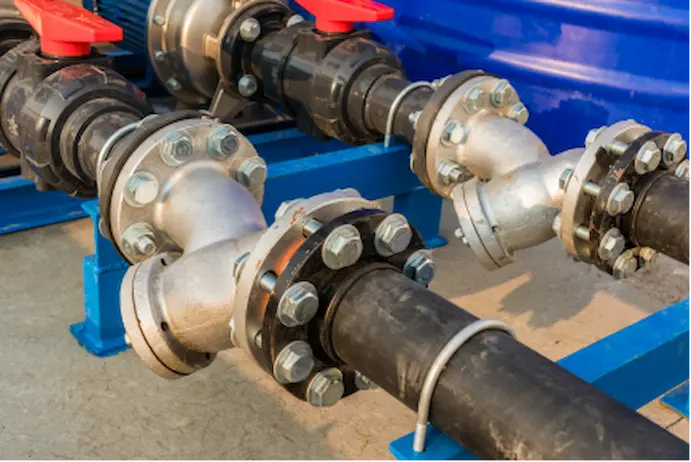
Learn where to install a Y-strainer in a piping system to protect pumps, control valves, flow meters, and other sensitive equipment from debris. The guide explains upstream placement, flow-direction requirements, installation orientation, maintenance accessibility, mesh and sizing considerations, and cleaning practices that help reduce clogging, pressure loss, equipment damage, and unplanned downtime.
Basic Knowledge and Measures for Valve Corrosion Prevention
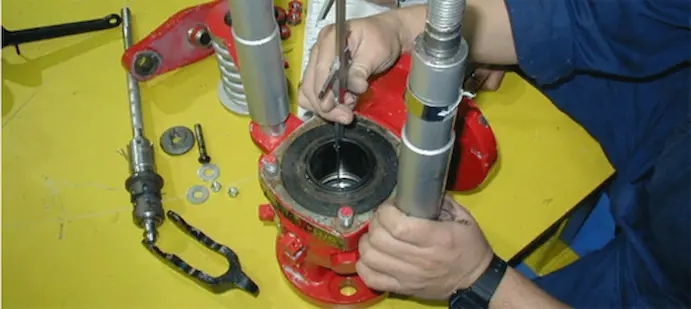
Learn what causes corrosion in industrial valves and how it can lead to leakage, reduced sealing performance, structural damage, and premature valve failure. The guide explains practical prevention measures, including service-compatible material selection, protective coatings, routine inspection, moisture control, and timely maintenance for water, chemical, gas, and corrosive process systems.
What is Valve Body Galvanizing?
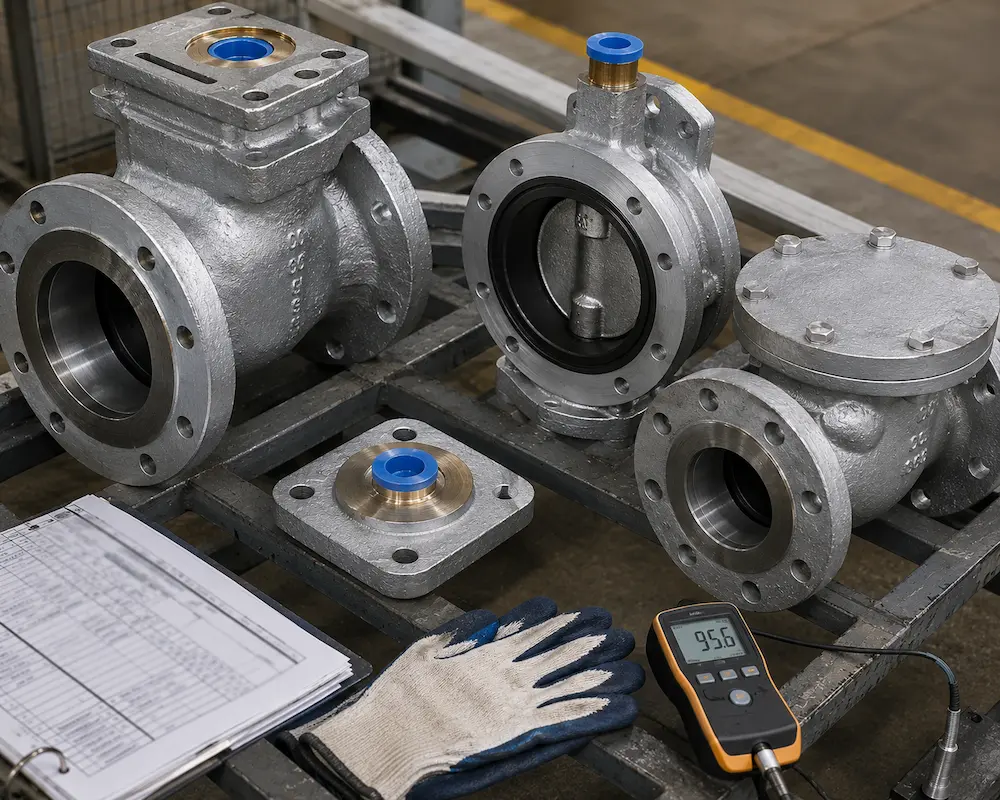
Learn how valve body galvanizing applies a protective zinc coating to suitable iron or steel components to improve resistance to atmospheric moisture and corrosion. The guide explains the protection mechanism, applicable materials and standards, coating limitations, inspection requirements, and key factors for determining whether galvanizing is suitable for a specific valve and operating environment.