Quick Overview
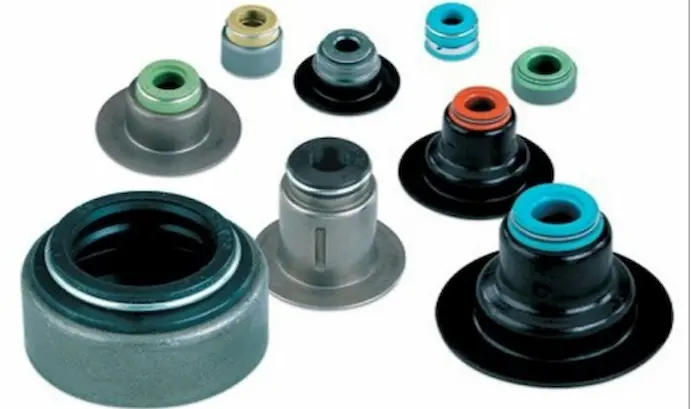
A valve stem seal is an essential component that prevents leakage along the valve stem while allowing smooth movement during operation. Proper design improves reliability, reduces emissions, and extends the life of industrial valves. This guide from Vcore Valve explains the types of valve stem seals, materials, and practical selection tips for high-performance applications.
Opening Scenario
Picture a high-pressure chemical pipeline with valves cycling thousands of times per month. Each valve stem moves through its sealing assembly, and without a reliable valve stem seal, small leaks can appear. Over time, these leaks lead to safety hazards, environmental emissions, and costly maintenance—problems every engineer wants to avoid.
Pain Points
-
Leakage along the valve stem causing process fluid loss and environmental emissions.
-
Excessive stem friction due to over-compressed packing or worn seals, affecting valve operation.
-
Premature seal wear leading to unexpected maintenance and downtime.
Solutions
-
Choose high-quality valve stem seals made from materials compatible with process conditions.
-
Use proper packing compression or live-loaded seals to maintain long-term reliability.
-
Inspect and maintain seals regularly, replacing worn components before leakage occurs.
Case Study
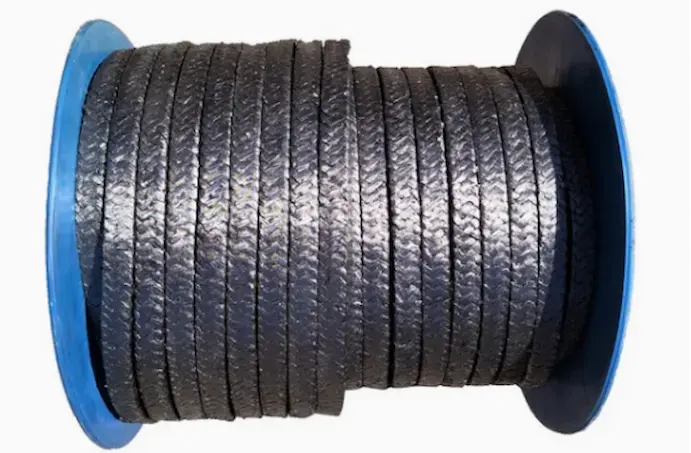
A petrochemical plant struggled with stem leakage in steam pipeline valves. After upgrading to graphite packing valve stem seals and adjusting the gland compression, the client eliminated leaks, extended maintenance intervals by 3 years, and improved safety and efficiency.
Data Analysis
| Factor | Effect on Valve Stem Seal Life |
|---|---|
| Temperature | High heat accelerates material degradation |
| Stem surface roughness | Rough stems increase wear and leakage |
| Packing compression | Correct compression reduces leaks |
| Valve cycling frequency | Frequent operation increases wear rate |
Trends
-
Low-emission packing systems to meet stricter environmental standards.
-
Live-loaded packing maintains constant compression during thermal expansion.
-
Advanced polymer and elastomeric seals reduce friction and improve service life.
Usage Advice
-
Inspect seals routinely for wear.
-
Avoid over-tightening gland followers.
-
Keep the stem clean and smooth.
-
Match material with temperature, pressure, and chemical conditions.
Conclusion
Selecting the correct valve stem seal is critical for safe, efficient, and long-lasting valve operation. By choosing the right seal type, material, and installation method, industrial systems can minimize leakage, improve performance, and reduce maintenance costs. Proper attention to stem sealing systems ensures valves operate reliably under demanding conditions.
FAQs
What is the purpose of a valve stem seal?
A valve stem seal prevents fluid leakage along the valve stem while allowing smooth valve operation.
What materials are used in valve stem seals?
Common materials include graphite, PTFE, carbon fibre, aramid fibre, and elastomers like EPDM or Viton.
Why do valve stem seals fail?
Failures are typically due to excessive temperature, chemical incompatibility, improper installation, or over-compression.
How often should valve stem seals be replaced?
Replacement depends on operating conditions, but routine inspections are recommended to prevent leaks.
Are valve stem seals the same as packing?
Packing is one type of valve stem seal, but modern systems may also use O-rings, lip seals, or polymer seals.
Can stem seals reduce emissions?
Yes, low-emission valve stem seals are designed to minimize fugitive emissions and comply with environmental regulations.
Reference
-
API Valve Standards – American Petroleum Institute
-
ASME Valve Engineering Guidelines
-
Industrial Valve Handbook – Engineering Reference
-
Engineering Toolbox – Valve sealing technologies