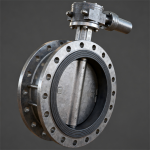
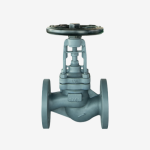
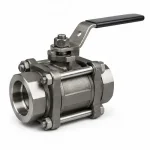
Quick Summary: A buried valve is installed below ground level and operated from the surface through an extension stem, valve box, operating key, actuator arrangement or access chamber. Buried valves are commonly used in municipal water pipelines, irrigation systems, fire water networks, gas distribution lines and underground industrial pipelines. Correct selection depends on valve type, pressure rating, medium, soil condition, corrosion protection, coating, stem extension design, installation depth, access method, operating torque and future maintenance requirements. Not every standard valve is suitable for direct buried service. For underground pipelines, buyers should confirm whether the valve body, coating, stem sealing, fasteners, gearbox or actuator arrangement and surface operating components are designed for buried installation.
A buried valve is not simply a standard valve placed underground. Direct buried service changes how the valve is protected, operated, inspected and maintained. The buyer must consider the valve body, external coating, stem sealing, extension stem, valve box, operating torque, soil condition and future access before confirming the valve configuration.
What Is a Buried Valve?
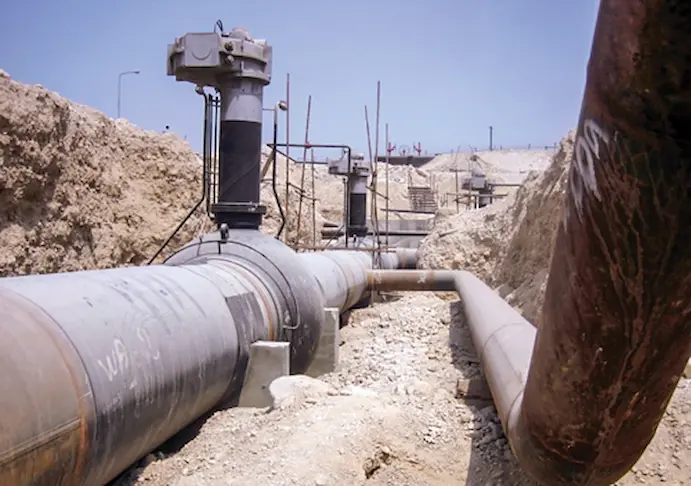
A buried valve is a pipeline valve installed below ground level. It is usually operated from the surface through an extension stem, valve box, operating nut, handwheel extension, gearbox extension, actuator arrangement or access chamber.
The valve body must be protected against soil moisture, corrosion and mechanical load. The selection is not only about valve type. Buyers also need to confirm coating, stem protection, sealing design, operation access and maintenance method. A buried gate valve, buried butterfly valve, buried ball valve or buried check valve may each be suitable in different underground systems, but the buried-service design must be confirmed.
Common Applications of Buried Valves
| Application | Common Valve Type | Key Selection Concern |
|---|---|---|
| Municipal water supply | Resilient seated gate valve / butterfly valve | Corrosion protection, extension stem, valve box and pressure class. |
| Fire water pipeline | Gate valve / butterfly valve | Reliable isolation, clear operation position and accessibility. |
| Irrigation pipeline | Gate valve / butterfly valve | Soil exposure, operating frequency and maintenance access. |
| Gas distribution pipeline | Buried ball valve / gate valve, depending on specification | Sealing performance, coating, operating safety and project standard. |
| Industrial underground pipeline | Gate valve / butterfly valve / check valve | Medium compatibility, corrosion, pressure and future inspection. |
| Wastewater or drainage pipeline | Gate valve / knife gate / check valve, depending on media | Solids, corrosion, clogging risk and maintenance access. |
Types of Valves Used for Buried Service
| Valve Type | Typical Use | Selection Notes |
|---|---|---|
| Buried gate valve | Underground isolation in water or utility pipelines | Common where full-open/full-close isolation is required. See Vcore Valve’s gate valve product range for related valve configurations. |
| Resilient seated gate valve | Municipal water and fire water pipelines | Soft sealing, low operating torque, coating and stem protection are important. |
| Buried butterfly valve | Larger water pipelines or space-sensitive systems | Confirm buried-service gearbox, stem extension and operating torque. Related options are listed in the butterfly valve category. |
| Buried ball valve | Gas or industrial buried pipelines | Confirm sealing design, coating, stem extension and applicable pipeline standard. |
| Buried check valve | Reverse-flow protection in underground pipelines | Confirm maintenance access, orientation and pressure drop. Do not assume any check valve can be buried without access planning. |
| Knife gate valve for buried slurry or wastewater | Project-dependent slurry or wastewater isolation | Confirm solids content, installation access and maintenance feasibility. For corrosive or abrasive media, a rubber-lined valve may also be reviewed depending on service. |
Key Factors for Buried Valve Selection
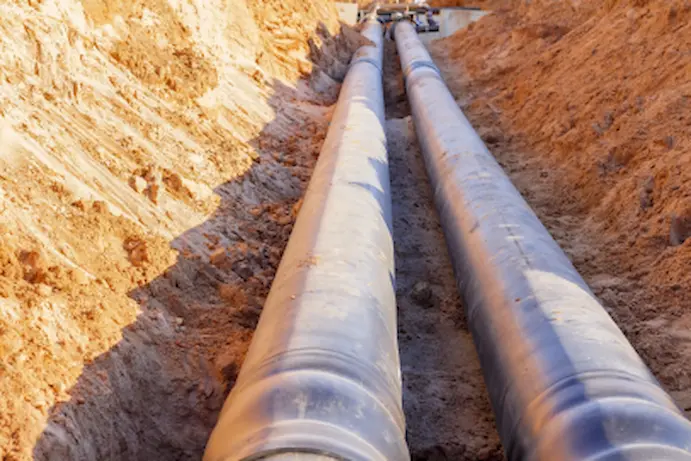
Buried valve selection should start from service conditions, not only valve name. A valve that works well above ground may still be unsuitable underground if coating, stem protection, operation access or maintenance requirements are not considered.
| Selection Factor | Why It Matters | Buyer Should Confirm |
|---|---|---|
| Valve type and function | Isolation, control and reverse-flow protection require different valve designs. | Gate, butterfly, ball, check or project-specific valve type. |
| Pipeline medium | Water, gas, wastewater and industrial fluids create different sealing and corrosion risks. | Medium, solids content, chemical condition and cleanliness. |
| Pressure rating and temperature | Body, seat and gasket selection depends on design pressure and temperature. | PN/Class, operating pressure, design pressure and temperature range. |
| Installation depth | Depth affects extension stem length, valve box design and operation torque. | Buried depth, ground level access and operating key length. |
| Soil moisture and corrosion | Underground moisture and soil chemistry can attack exposed metal parts. | Soil condition, coating requirement and corrosion protection method. Use a valve material selection guide when material compatibility is uncertain. |
| External coating | Coating protects the buried valve body from moisture and soil exposure. | Epoxy coating, fusion-bonded epoxy or project-specified protection. |
| Stem sealing and stem protection | Stem area is a common access and sealing interface. | Stem material, seal design, protection tube and extension connection. |
| Valve box or access chamber | Surface operation must remain accessible after backfilling. | Valve box size, cover, drainage and operating nut position. |
| Operating torque | High torque can make surface operation difficult or damage the extension system. | Torque, gearbox need and operator access. |
| Gearbox or actuator suitability | Not every gearbox or actuator arrangement is suitable for buried service. | Buried-service gearbox, actuator protection and surface operation plan. For automated systems, review the valve actuator selection guide. |
| Fastener material and maintenance access | Bolts, nuts and access parts may corrode or become difficult to service underground. | Fastener material, chamber access, replacement plan and project specification. |
Buried Valve Installation and Operation Considerations
- Confirm flow direction if the valve type requires it.
- Ensure extension stem alignment from valve stem to surface operating point.
- Avoid excessive side load on the stem extension.
- Use a proper valve box or access chamber for the operating nut or actuator access.
- Protect coating during handling, lowering and backfilling.
- Avoid direct mechanical damage from soil, stones or construction tools.
- Confirm drainage around the valve chamber when applicable.
- Verify operation from ground level before backfilling.
- Record valve location, buried depth, operating direction and turns-to-open for future maintenance.
Corrosion Protection for Buried Valves
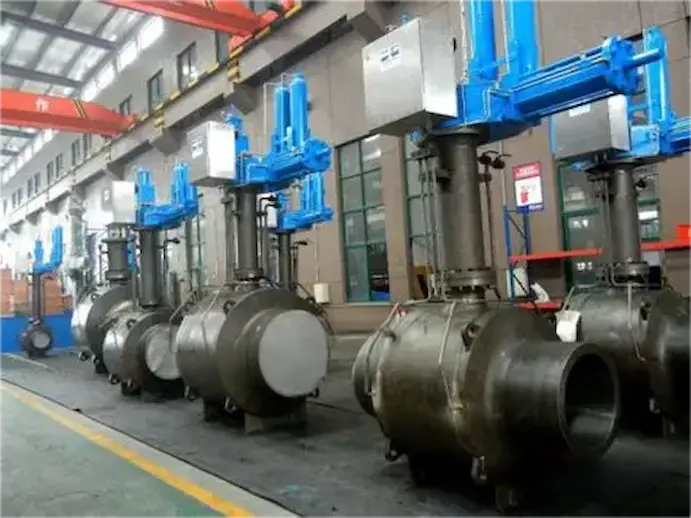
Underground moisture and soil chemistry can increase corrosion risk. External epoxy coating or fusion-bonded epoxy may be used depending on project specification. The coating should be protected during transportation, storage, installation and backfilling because damaged coating can expose the valve body to soil corrosion.
Corrosion review should not stop at the valve body. Stem, fasteners, gearbox, extension components and exposed operating parts also need material or protection review. Cathodic protection may be relevant in some pipeline systems, depending on the project design and pipeline protection philosophy.
Information Buyers Should Provide Before Quotation
For buried valve quotations, incomplete installation information often causes wrong extension stem length, unsuitable coating, difficult operation or poor maintenance access. Buyers should provide:
- Valve type
- Size / DN / NPS
- Pressure rating / PN / Class
- Medium
- Temperature
- Pipeline material
- End connection
- Buried depth
- Installation direction and pipe layout
- Operation method from surface
- Extension stem length
- Valve box or chamber requirement
- Coating requirement
- Body material
- Seat / sealing material
- Stem material
- Fastener material
- Gearbox or actuator requirement
- Soil or corrosion condition if known
- Applicable standard
- Pressure test requirement
- Material certificate requirement
- Packing and protection requirement
For RFQ review, buyers can send these details through the contact page so the buried valve configuration, extension stem and operating access can be evaluated together.
Final Selection Advice
A buried valve should be selected as a complete underground operating system, not as a valve body alone. Valve type, coating, stem extension, valve box, buried depth, operating torque and maintenance access all affect whether the valve can be operated reliably after installation. Not every standard valve is suitable for direct buried service, so buried-service design should be confirmed before ordering.
FAQ
What is a buried valve?
A buried valve is installed below ground level and operated from the surface through an extension stem, valve box, operating key, actuator arrangement or access chamber.
What types of valves can be used for buried service?
Gate valves, resilient seated gate valves, butterfly valves, ball valves and some check valves may be used, depending on medium, pressure, access, coating and project specification.
Can a standard valve be installed underground?
Not automatically. A standard valve may lack suitable coating, stem sealing, fastener protection, extension stem design or maintenance access for direct buried service.
How is a buried valve operated from the surface?
It is usually operated by an extension stem, operating nut, valve box, handwheel extension, gearbox extension or an access chamber arrangement.
What coating is used for buried valves?
External epoxy coating or fusion-bonded epoxy may be used depending on specification. Coating selection should consider soil moisture, corrosion risk and handling damage.
What should be confirmed before selecting a buried valve?
Confirm valve type, pressure rating, medium, buried depth, soil condition, coating, stem extension, valve box, operating torque, materials and maintenance access.
What information is needed for a buried valve quotation?
Provide size, pressure rating, medium, temperature, buried depth, connection, coating, operation method, extension stem length, valve box requirement, materials, standards and test requirements.