QuickSummary
Backflow Preventers are non-negotiable for safeguarding potable water supplies from contamination in the UK. Double Check and RPZ Backflow Preventers are the two primary solutions, each engineered for specific risk levels. This guide breaks down their differences, compliance requirements, and real-world applications to help you select the ideal Backflow Preventers for your water system.
Introduction
Imagine turning on your tap for a glass of water, only to find it contaminated by reverse flow from industrial pipelines or irrigation systems. This isn’t a far-fetched scenario—backflow is a silent threat to water supply safety across the UK, and without robust Backflow Preventers, potable water networks face irreversible contamination risks. For plumbers, facility managers, and infrastructure engineers, choosing between Double Check and RPZ Backflow Preventers is more than a technical decision; it’s a commitment to public health. At Vcore Valve, we’ve engineered Backflow Preventers that meet BS EN 13079:2025 standards, ensuring your water system stays protected against backflow risks.
The Top 3 Pain Points with Backflow Prevention
Misjudging Backflow Risk Levels Leads to Inadequate Protection
Many UK businesses and local authorities install basic check valves instead of certified Backflow Preventers, unaware that low-risk scenarios can escalate to high-risk contamination (e.g., chemical backflow in industrial areas). This mistake violates UK water regulations and exposes end-users to health hazards.
Non-Compliant Backflow Preventers Fail Regulatory Audits
UK water supply systems must adhere to BS EN 13079:2025 and WRAS certification standards. Uncertified Backflow Preventers not only fail audits but also result in costly system overhauls and legal penalties for non-compliance.
Poor Maintenance Causes Backflow Preventer Malfunction
Backflow Preventers require regular testing and servicing, yet many operators neglect this step. A faulty valve’s seal or spring failure can lead to backflow, with one UK water utility reporting 23% of contamination incidents in 2024 stemmed from unmaintained Backflow Preventers.
3 Expert Solutions for Effective Backflow Prevention
Match Backflow Preventers to UK Risk Classification
Classify your water system’s risk level (low/medium/high) per UK water industry guidelines: use Double Check Backflow Preventers for low-to-medium risks (e.g., residential irrigation) and RPZ Backflow Preventers for high-risk scenarios (e.g., chemical processing plants). Vcore Valve’s Backflow Preventers are pre-certified to match every risk class.
Choose WRAS/BS EN Certified Backflow Preventers Only
Opt for Backflow Preventers with WRAS approval and BS EN 13079:2025 compliance—the gold standard for UK potable water protection. Vcore Valve’s Backflow Preventers hold full international certification (CE, API, ISO) and meet UK-specific water safety standards.
Implement a Scheduled Backflow Preventer Maintenance Plan
Partner with a certified UK valve service provider to test Backflow Preventers every 6–12 months. Vcore Valve offers 24/7 technical support and maintenance programs for all our Backflow Preventers, including pressure testing and seal replacements.
Real-World Case Studies: Double Check vs RPZ in Action
Case Study 1: Double Check Backflow Preventers for a UK Municipal Water Network
A local council in the West Midlands upgraded its residential water supply with Vcore’s Double Check Backflow Preventers for 2,000 homes with garden irrigation systems. The valves eliminated backflow from sprinkler systems, met WRAS compliance, and reduced maintenance costs by 30% compared to outdated check valves. The Double Check Backflow Preventers’ compact design also fit seamlessly into existing pipeline spaces— a key win for the council’s tight installation deadlines.
Case Study 2: RPZ Backflow Preventers for a Petrochemical Plant in Teesside
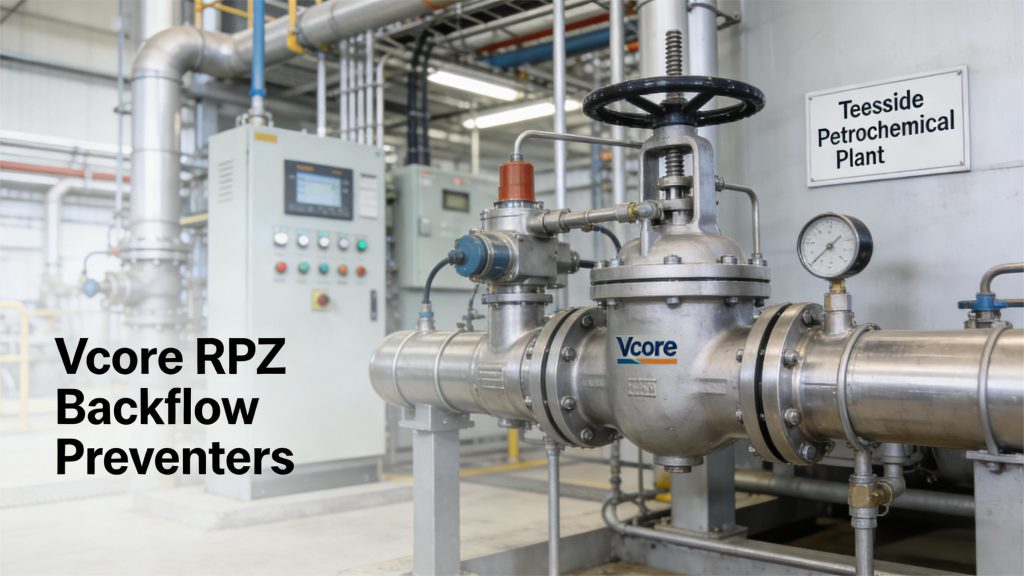
A major petrochemical plant in Teesside required high-risk backflow protection for its process water lines, which connect to the UK public water supply. Vcore’s RPZ Backflow Preventers were installed to prevent chemical backflow, featuring a redundant relief valve system and anti-corrosion stainless steel construction. The valves withstood extreme pressure (16 bar) and chemical exposure, passing annual BS EN audits with zero non-compliances since installation in 2023.
Scientific Comparison: Double Check vs RPZ Backflow Preventers
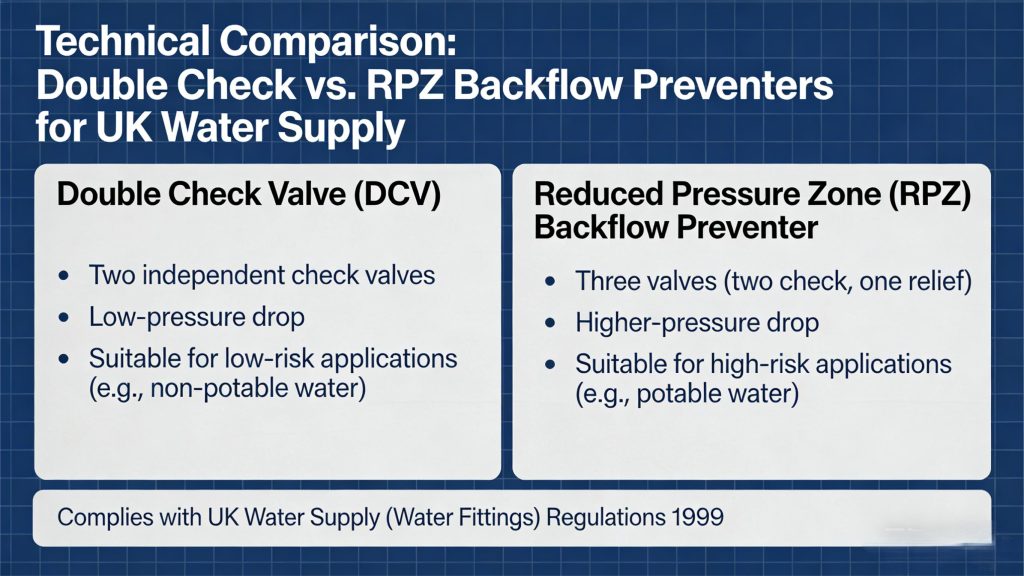
The following table breaks down the technical, compliance, and application differences between the two core Backflow Preventer types, aligned with UK water standards:
| Feature | Double Check Backflow Preventers | RPZ Backflow Preventers (Reduced Pressure Zone) |
| Risk Level | Low-Medium (no toxic contamination) | High (toxic/chemical backflow risk) |
| UK Compliance | BS EN 13079:2025 (Family A) | BS EN 13079:2025 (Family B) + WRAS High Risk Approval |
| Design | Two independent check valves (no relief valve) | Two check valves + intermediate relief valve (automatic pressure release) |
| Pressure Loss | Low (≤0.04MPa at 2m/s flow) | Moderate (≤0.06MPa at 2m/s flow) |
| Maintenance | 12-month testing interval | 6-month testing interval (mandatory in the UK) |
| Ideal Application | Residential irrigation, commercial plumbing | Petrochemical plants, industrial manufacturing, chemical processing |
| Vcore Valve Material | Ductile iron/stainless steel | 316 stainless steel (anti-corrosion) |
| Certification | CE, ISO, WRAS Basic | CE, API, ISO, WRAS High Risk, BS EN 13079:2025 |
Market Trends & UK Industry Insights for Backflow Preventers
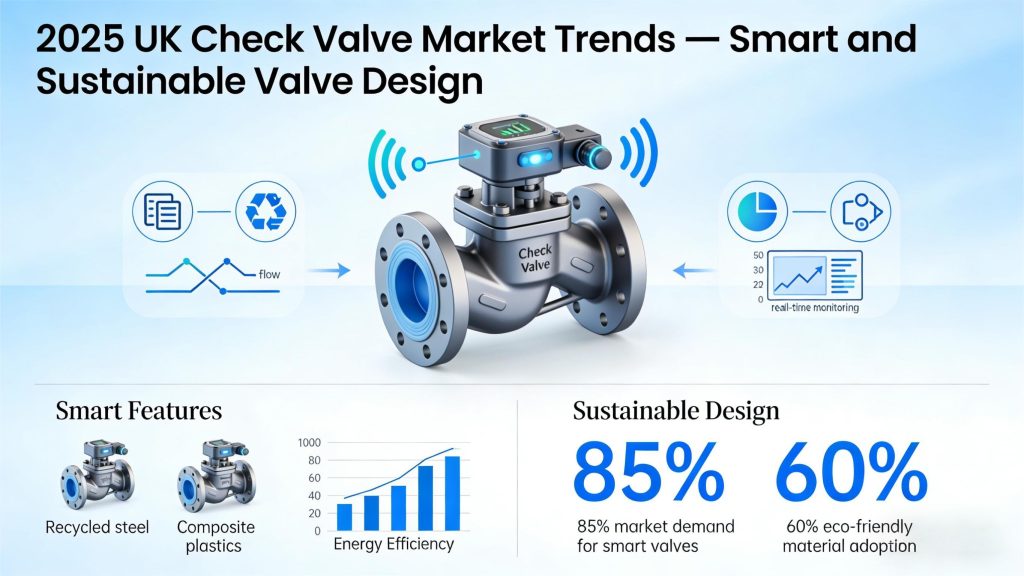
The global Backflow Preventers market is set for 5.2% CAGR growth from 2025–2031, with the UK leading European demand due to stricter water contamination regulations external link. Key trends shaping the UK Backflow Preventers market include:
Smart Backflow Preventers: IoT-enabled valves with real-time leak/backflow detection are becoming standard for large UK water utilities.
Sustainable Design: Eco-friendly Backflow Preventers with low pressure loss (to reduce energy use) are prioritised for net-zero water systems.
UK Localisation: Manufacturers like Vcore Valve are producing UK-specific Backflow Preventers to meet BS EN 13079:2025’s updated 2025 requirements external link.
Industrial Demand: The UK’s petrochemical and power generation sectors are driving RPZ Backflow Preventers sales, with a 40% increase in high-risk valve orders in 2024.
Expert Selection & Installation Advice for UK Backflow Preventers
Choosing the Right Backflow Preventers
Low-risk areas (residential): Opt for Vcore’s Double Check Backflow Preventers—cost-effective, low-maintenance, and WRAS-compliant.
Medium-risk areas (commercial): Select our compact Double Check Backflow Preventers with stainless steel seals for increased durability.
High-risk areas (industrial): Invest in Vcore’s RPZ Backflow Preventers—engineered for extreme conditions and BS EN high-risk certification.
UK Installation Best Practices
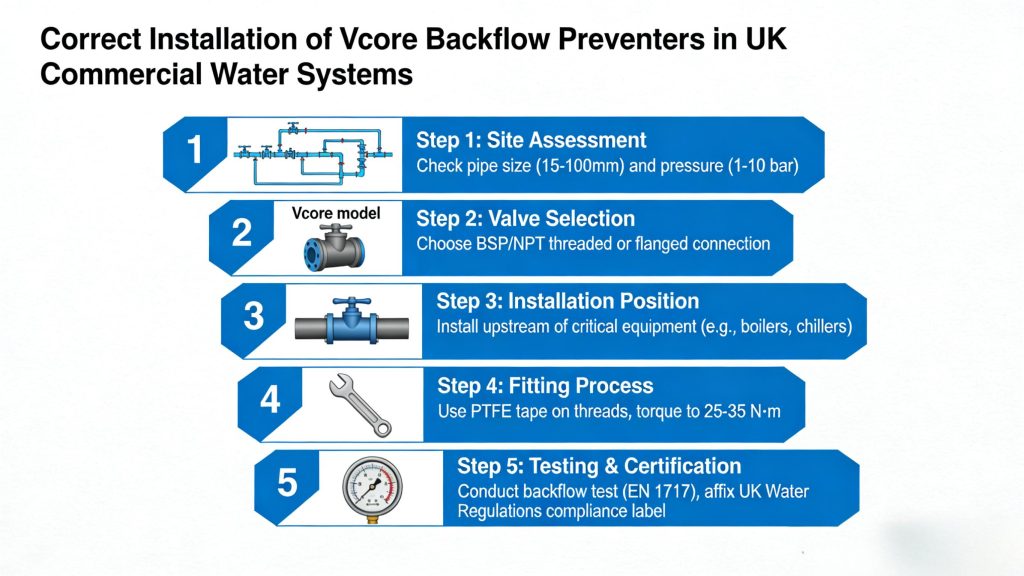
Install Backflow Preventers in accessible, above-ground locations (per UK water regulations) for easy testing.
Pair Backflow Preventers with a pre-filter to prevent debris from damaging valve seals—Vcore Valve offers integrated filter solutions.
Ensure alignment with UK pipe sizing (DN15–DN400) and pressure ratings (≤16 bar) for seamless system integration.
Use only certified UK installers for Backflow Preventers—incorrect installation is the #1 cause of valve failure in the UK.
Conclusion & Call to Action
Backflow Preventers are the unsung heroes of UK water supply safety, and choosing between Double Check and RPZ Backflow Preventers depends on one critical factor: risk level. Cutting corners on non-compliant or ill-suited Backflow Preventers puts public health at risk and leads to costly regulatory issues. At Vcore Valve, we’ve spent 20+ years engineering precision Backflow Preventers that meet every UK standard—from BS EN 13079:2025 to WRAS certification—with factory-direct pricing and global delivery.
Ready to protect your water system?
Tell us your water system’s risk level, pipe size, and application via our Request a Quote page.
Our UK-based engineering team will design a tailored Backflow Preventers solution within 24 hours.
Get certified, factory-tested Backflow Preventers delivered directly to your UK site—with full installation and maintenance support.
Don’t let backflow contamination risk your project or reputation. Choose Vcore Valve’s Backflow Preventers—UK-compliant, precision-engineered, and built to last.
FAQ
What is the key difference between Double Check and RPZ Backflow Preventers?
Double Check Backflow Preventers use two independent check valves for low-medium risk, while RPZ Backflow Preventers add a relief valve to release pressure and prevent backflow in high-risk, toxic environments— a mandatory feature for UK industrial systems.
Do Backflow Preventers need WRAS certification in the UK?
Yes—all Backflow Preventers for potable water in the UK must hold WRAS certification. Vcore’s Backflow Preventers have full WRAS approval for both basic and high-risk applications.
How often should Backflow Preventers be tested in the UK?
Double Check Backflow Preventers require testing every 12 months; RPZ Backflow Preventers (high-risk) need 6-month testing—per BS EN 13079:2025 regulations.
Can Vcore’s Backflow Preventers be customised for UK pipe systems?
Absolutely. Vcore offers OEM/ODM customisation for Backflow Preventers, including UK-specific pipe sizes (DN15–DN400), materials, and connection types (flanged/threaded).
What materials are Vcore’s Backflow Preventers made from?
Our Double Check Backflow Preventers use ductile iron/stainless steel; RPZ Backflow Preventers feature 316 stainless steel for anti-corrosion in industrial/chemical environments—all compliant with UK water material standards.
Does Vcore offer after-sales support for Backflow Preventers in the UK?
Yes. Vcore provides 24/7 technical support, scheduled maintenance, and on-site testing for all Backflow Preventers in the UK, with a dedicated team of valve experts.
Are Vcore’s Backflow Preventers compatible with smart water systems?
Yes—our Backflow Preventers can be integrated with IoT sensors and automated control systems for real-time backflow detection, aligning with the UK’s smart water network trends.
Reference
BSI Group. (2025). BS EN 13079:2025 – Devices to prevent pollution by backflow of potable water. London: BSI Knowledge external link.
QYResearch. (2026). 2025-2031 Global Backflow Preventer Valves Market Report. Beijing: QYResearch Inc. external link.
Vcore Valve. (2025). Industrial Valve Compliance & Certification Guide. Shanghai: Vcore Valve Manufacturing Co., Ltd internal link.
UK Water Industry Association. (2024). UK Backflow Prevention Regulations & Best Practice Guide. London: WIAA.
WRAS. (2025). WRAS Certification Requirements for Backflow Preventers. Reading: Water Regulations Advisory Scheme.