
Natural Gas Valve Solutions for Transmission, Distribution and Pressure Control Systems
Application-based valve selection for natural gas transmission pipelines, distribution networks, compressor stations, metering stations, pressure regulation systems, and gas process applications.
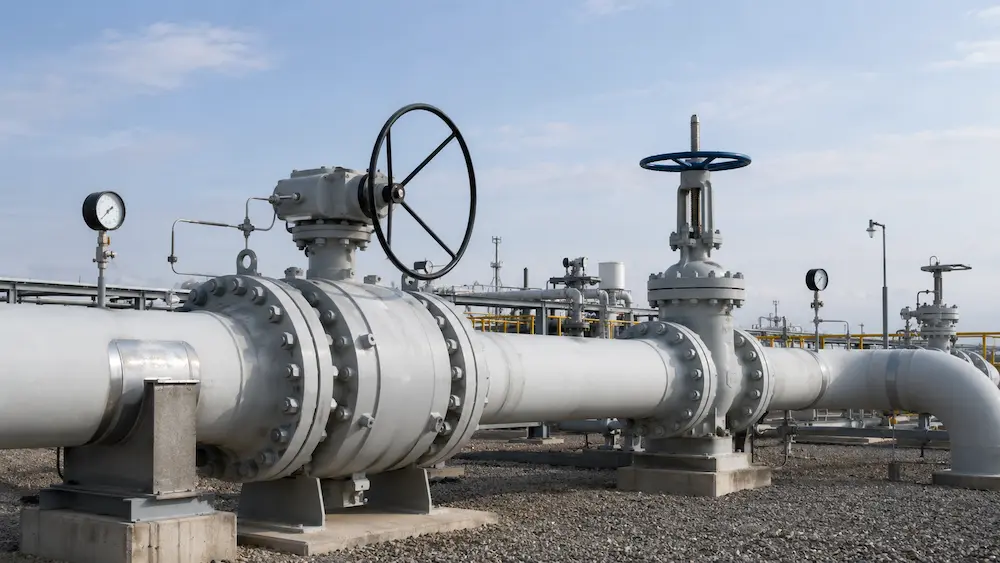
Common Challenges in Natural Gas Valve Applications
Natural gas systems require reliable valve sealing, pressure control, safety design, and long-term operation under high-pressure gas, outdoor installation, and project standard requirements.
High-Pressure Gas Sealing
Natural gas pipelines require tight shut-off performance under high pressure, pressure fluctuation, and long service cycles.
Pressure-Temperature Rating Guide →Leakage Control
Seat sealing, stem packing, gasket design, and pressure class must be properly matched to reduce external and internal gas leakage risk.
Fugitive Emission Testing Guide →Fire-Safe and Anti-Static Design
Fire-safe and anti-static valve designs may be required for gas pipeline isolation, emergency shut-off, and safety-critical systems.
Fire-Safe Ball Valve Solutions →Outdoor Pipeline Operation
Coating, corrosion protection, actuator protection, and maintenance access should be considered for outdoor gas stations and pipeline systems.
Valve Coating Inspection Guide →Recommended Valve Types for Natural Gas Systems
Valve selection for natural gas applications depends on pressure class, sealing requirement, flow condition, operation method, installation environment, and project standards.
Valve Type
Typical Application
Selection Focus
Ball Valve
Fast shut-off for gas transmission pipelines, distribution lines, and station isolation
Tight sealing, full-bore flow, anti-static and fire-safe design
Gate Valve
Full-open or full-close isolation for large-diameter gas pipeline systems
Low pressure drop, body strength, pressure class
Check Valve
Backflow prevention for compressor stations, gas process lines, and pipeline protection
Disc design, closing response, flow direction
Globe Valve
Flow adjustment and throttling in gas auxiliary lines and process systems
Stable throttling, seat durability, pressure control
Control Valve
Flow and pressure regulation in metering stations, regulating stations, and gas process systems
Actuator selection, control accuracy, trim configuration
Material and Sealing Selection
Natural gas valve material selection depends on pressure, temperature, gas composition, installation environment, sealing requirement, and project standards. Carbon steel is commonly used for gas pipeline service, while stainless steel, alloy steel, low-temperature steel, or special trim materials may be selected for demanding conditions.
- Carbon steel body
- Soft or metal seat
- Anti-static ball valve option
- Stainless or alloy trim
- Fire-safe design
- Flanged or welded ends
Typical Natural Gas Valve Applications
- Gas transmission pipelines
- Gas distribution networks
- Compressor stations
- Emergency shut-off points
- Gas process systems
- Metering stations
- Pressure regulating stations
- Storage and transfer systems
- Pipeline isolation points
Related Natural Gas Valve Products
Select suitable valve products for natural gas pipeline isolation, pressure control, backflow prevention, and station applications.
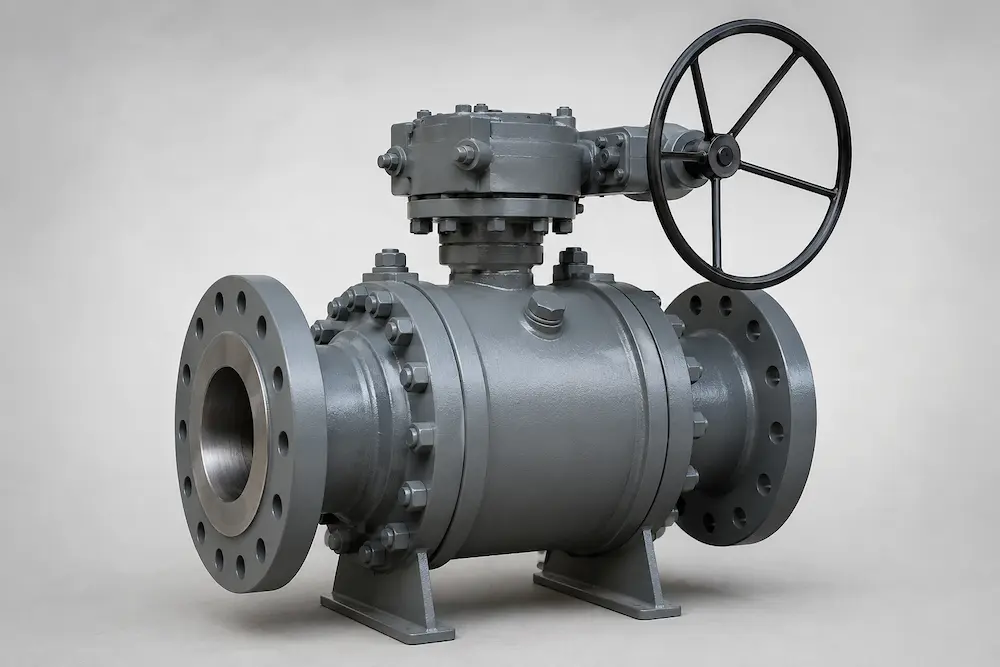
Ball Valve
Fast shut-off valves for natural gas transmission pipelines, distribution systems, and station isolation service.
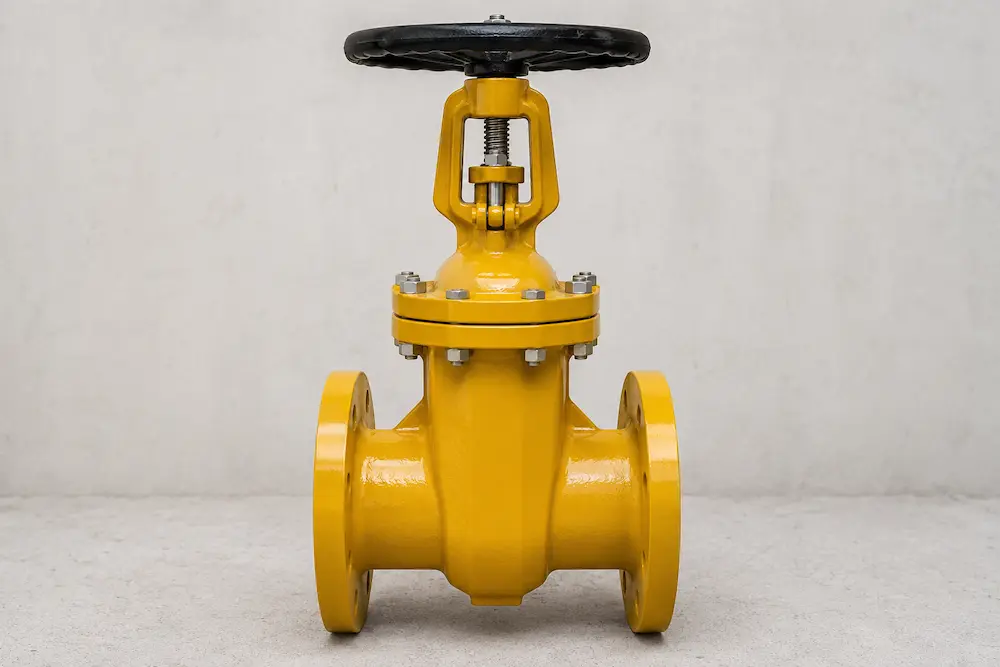
Gate Valve
Full-bore isolation valves for large-diameter natural gas pipelines and high-pressure gas systems.
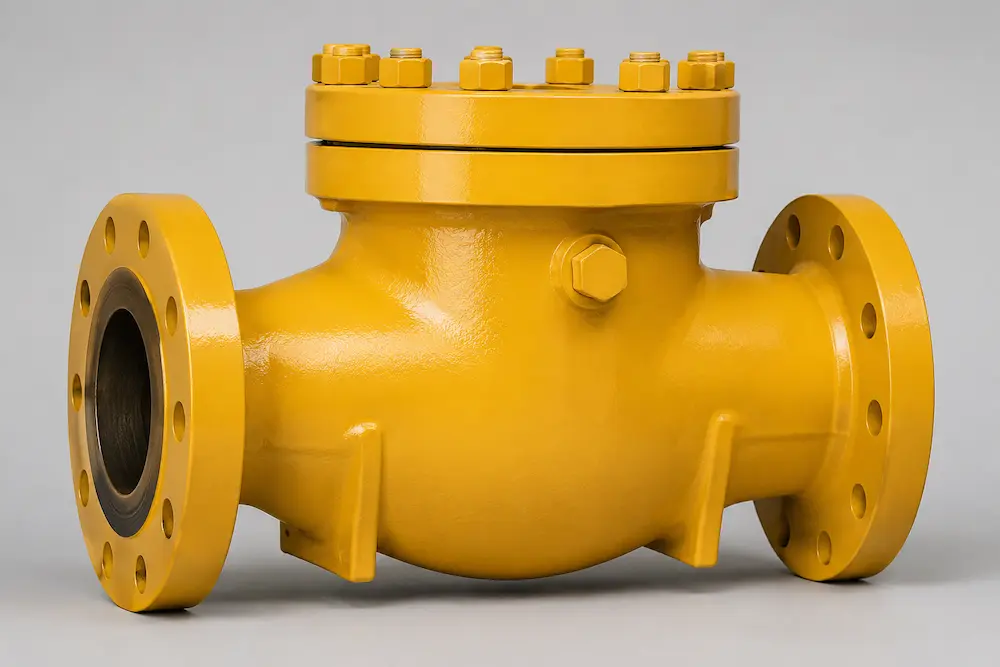
Check Valve
Backflow prevention valves for compressor discharge, gas process lines, and pipeline protection.
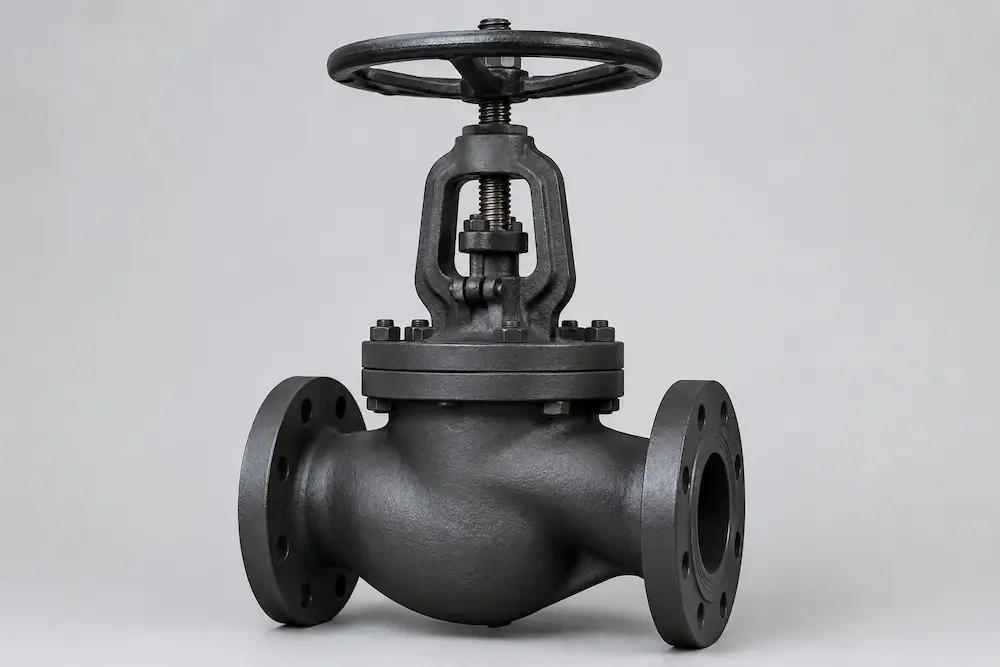
Globe Valve
Flow adjustment and throttling valves for gas auxiliary lines, process systems, and pressure control applications.
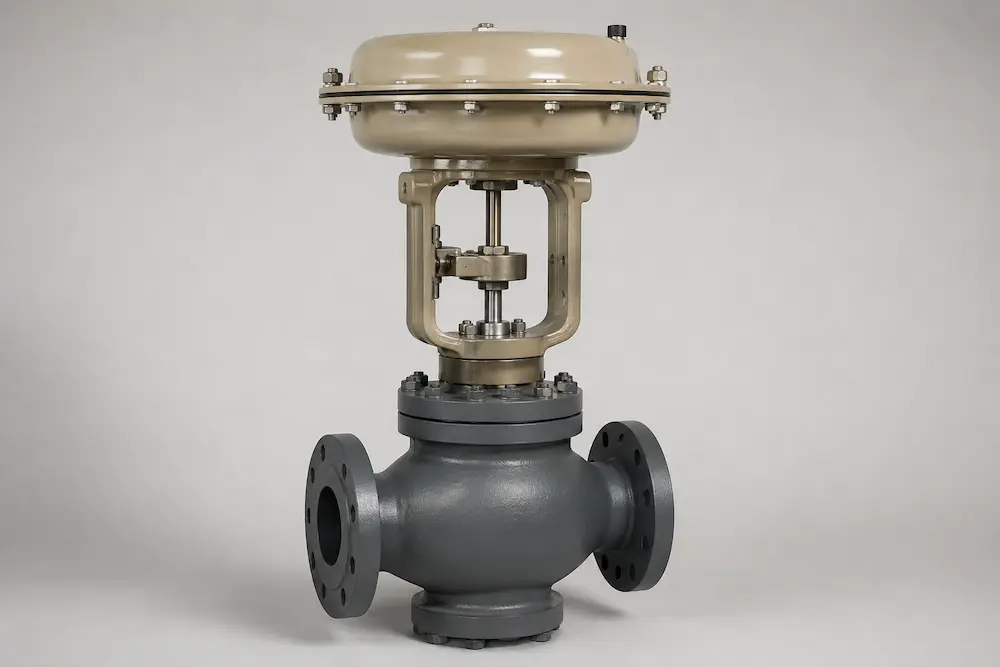
Control Valve
Automated control valves for gas flow, pressure regulation, and metering station applications.
Quality Control and Project Documentation
For natural gas valve projects, Vcore Valve can support pressure testing, sealing inspection, material verification, dimensional inspection, drawings, packing documents, and export documentation according to order requirements.
Testing and Inspection Support
Pressure testing, sealing inspection, dimensional checks, and operational tests can be arranged according to natural gas valve project requirements before shipment.
- Shell strength testing
- Seat sealing inspection
- Dimensional and visual checks
- Operational performance inspection
Project Documentation Support
Project-related documents can be provided according to order requirements, helping customers complete procurement, inspection, installation, and export procedures more smoothly.
- Material certificates
- Pressure test reports
- Technical drawings
- Packing and export documents
Natural Gas Valve Solution FAQs
Find answers to common questions about natural gas valve selection, sealing design, materials, testing, documentation, and project requirements.
Ball valves are commonly used for fast shut-off and pipeline isolation. Gate valves, check valves, globe valves, and control valves may also be selected according to pressure, flow condition, regulation needs, and project requirements.
Carbon steel is commonly used for general natural gas service. Stainless steel, alloy steel, low-temperature steel, or special trim materials may be selected according to pressure, temperature, gas composition, and project standards.
Fire-safe and anti-static valve designs can be supplied when required by project specifications. The final configuration depends on valve type, sealing structure, pressure class, and applicable standards.
Please provide gas composition, pressure, temperature, pipe size, connection standard, valve function, material requirement, operation method, quantity, and any project standard, datasheet, or drawing.
Yes. Material certificates, pressure test reports, inspection records, drawings, packing documents, and export documents can be provided according to order requirements.
Request a Natural Gas Valve Solution
Send us your natural gas valve requirements, including gas composition, pressure, temperature, size, material, connection standard, quantity, and operation method. Vcore Valve will help you select suitable valve products for your project.