Industry Applications

Industry Applications

ductile iron butterfly valve manufacturer China

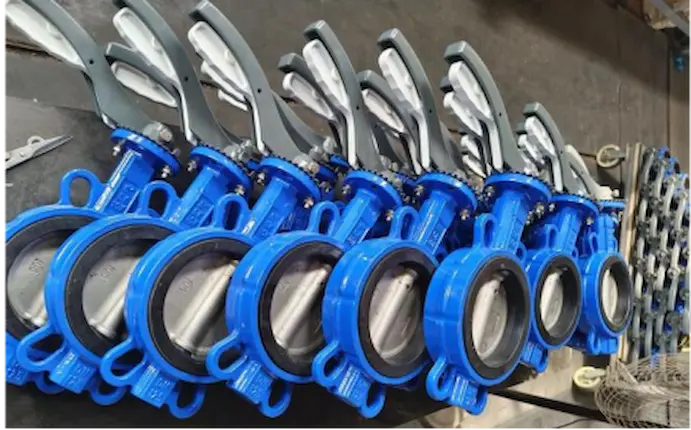
Ductile Iron Butterfly Valves for the UK Market | Vcore Valve

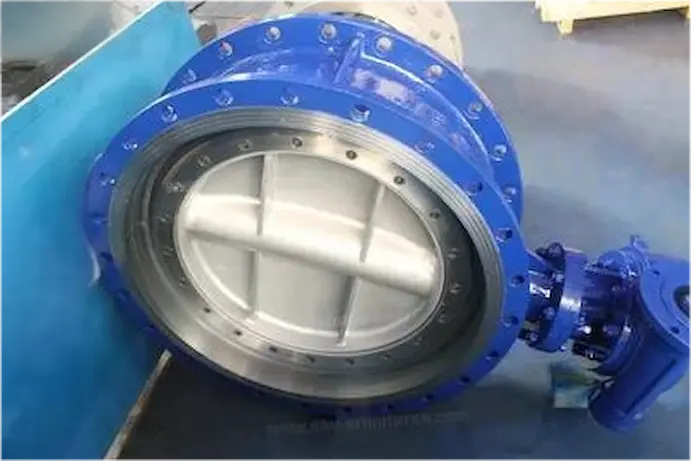
Explore how ductile iron butterfly valves are used in the UK market for municipal water distribution, commercial HVAC, and general industrial utility pipelines. The guide explains key buyer concerns such as material strength, resilient-seat sealing, wafer and lug body options, EN or WRAS-related compliance expectations, quality consistency, installation compatibility, and long-term supplier reliability.

Read More »
ductile iron ball check valve manufacturer in China

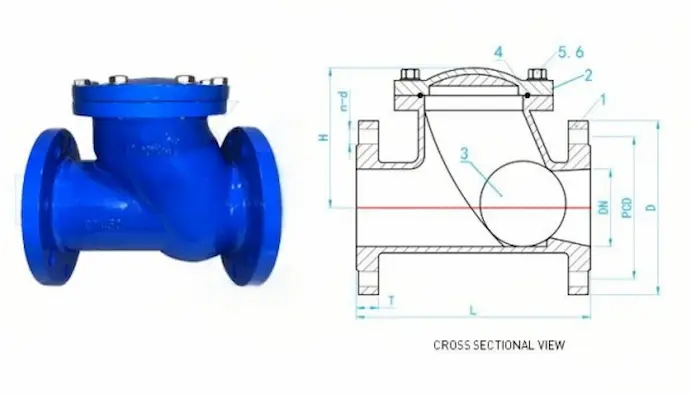
Ductile Iron Ball Check Valve Shipped to Russia | Vcore Valve

Learn how ductile iron ball check valves were selected and shipped for water and industrial pipeline applications in Russia. The case highlights key factors such as backflow prevention, PN10/PN16 pressure ratings, flanged connection, rubber-coated ball construction, cold-environment considerations, pressure testing, export packaging, and supplier reliability for international valve projects.

Read More »
knife-gate-valve-manufacturer-in-Xiamen-China

Manual Knife Gate Valves for Brazil: Slurry and Wastewater Application Case

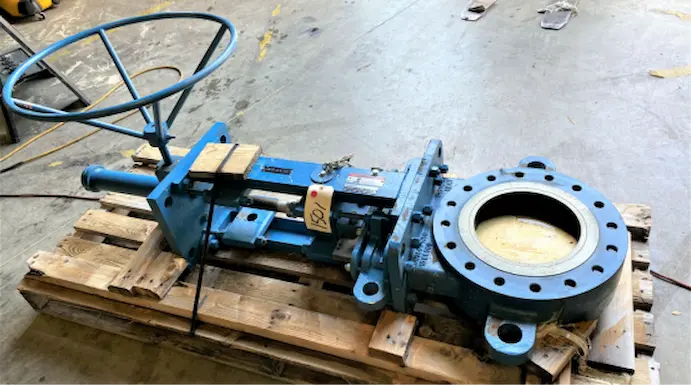
Learn how manual knife gate valves were selected and delivered for slurry, solids, fibrous media, wastewater, and industrial discharge applications in Brazil. The case highlights key factors such as rising-stem handwheel operation, replaceable resilient seats, DN80–DN300 flanged construction, pressure and sealing tests, export packaging, and valve selection for demanding South American industrial projects.

Read More »

How DBB and DIB Valves Work: Key Differences Explained

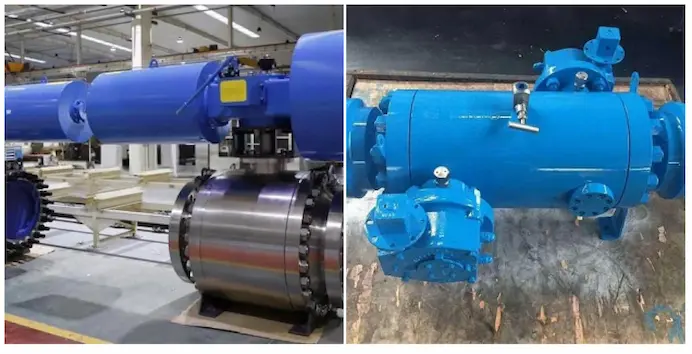
Learn how Double Block and Bleed (DBB) and Double Isolation and Bleed (DIB) valves provide two sealing barriers with a bleed cavity for safer pipeline isolation. DBB valves offer compact, verifiable isolation for standard pipeline and manifold applications, while DIB valves provide independent bidirectional sealing for hazardous, high-pressure, and other critical services.

Read More »
forged-steel-wedge-gate-valve-industrial-application

Benefits of Wedge Gate Valves in High-Pressure Systems

earn why wedge gate valves are widely used in high-pressure systems, including their pressure-assisted sealing, robust body construction, and long service life. The guide compares solid, flexible, and split-wedge designs and explains their suitability for oil and gas pipelines, high-pressure steam, power generation, and chemical processing applications.

Read More »
resilient-seated-gate-valve-for-wastewater-pipeline

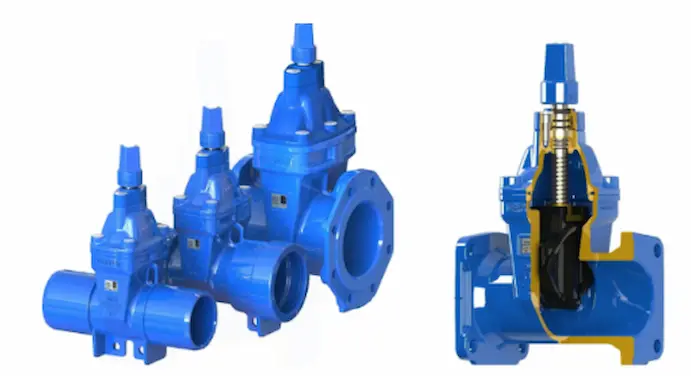
Gate Valves for Water and Wastewater Systems: Applications and Selection Guide

Learn how gate valves are used in water and wastewater systems for pipeline isolation, maintenance shutdowns, low-resistance full-open flow, and reliable shutoff in municipal water networks, treatment plants, and industrial utility lines. The guide explains key selection factors such as resilient-seated design, ductile iron construction, epoxy coating, corrosion resistance, wastewater service conditions, AWWA-related standards, and proper on/off operation.

Read More »
ball-valve-for-compressed-air-system-low-leakage1

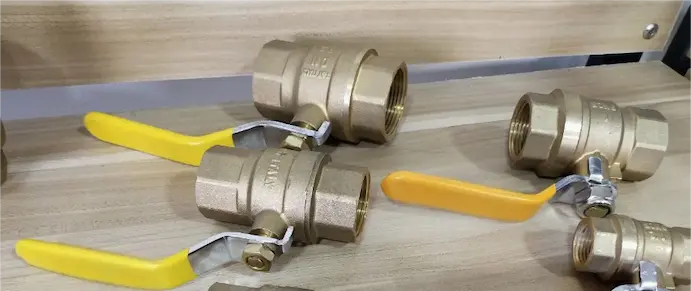
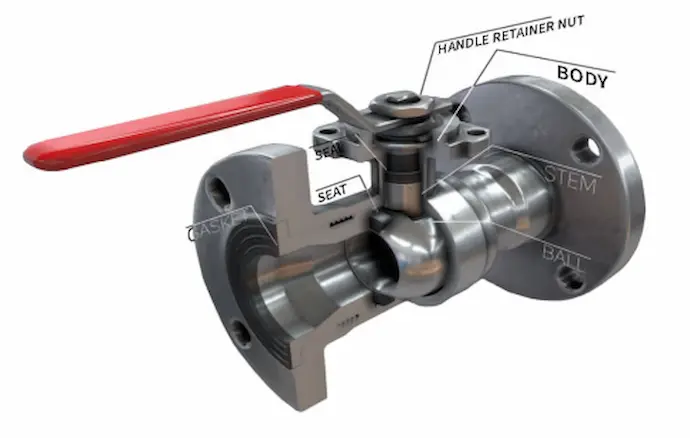
Why Choose Ball Valves for Compressed Air Systems

Learn why ball valves are widely used in compressed air systems for isolation, zoning, leakage control, and low-resistance airflow. The guide explains how tight shutoff, full-bore construction, suitable seat materials, pressure rating, cycling requirements, and proper valve sizing help reduce air loss, pressure drop, compressor workload, and operating cost in industrial pneumatic networks.

Read More »
industrial-steam-valves

Types of Valves Used in Steam Applications | Complete Guide

Explore the main valve types used in steam systems, including globe, gate, ball, check, control, and safety valves. The guide explains how each valve supports steam regulation, isolation, backflow prevention, or overpressure protection, while highlighting key selection factors such as pressure-temperature rating, seat design, materials, condensate, thermal expansion, and installation position.

Read More »