Industry Applications

Industry Applications

forged-steel-wedge-gate-valve-industrial-application

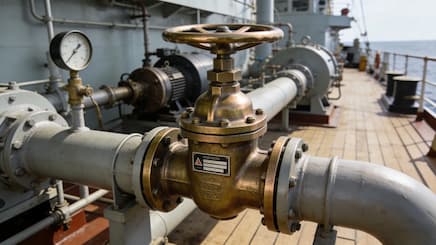
Benefits of Wedge Gate Valves in High-Pressure Systems

earn why wedge gate valves are widely used in high-pressure systems, including their pressure-assisted sealing, robust body construction, and long service life. The guide compares solid, flexible, and split-wedge designs and explains their suitability for oil and gas pipelines, high-pressure steam, power generation, and chemical processing applications.
Read More »
resilient-seated-gate-valve-for-wastewater-pipeline

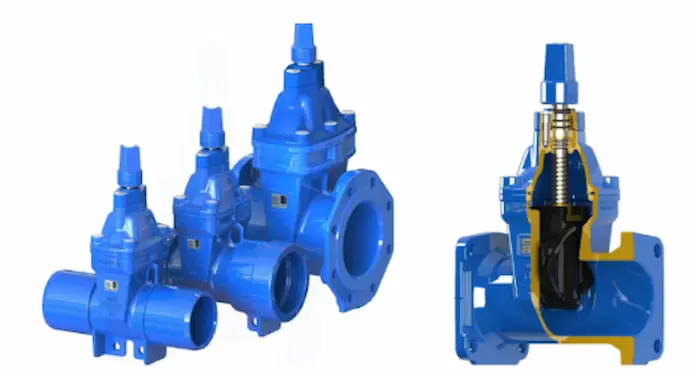
Gate Valves for Water and Wastewater Systems: Applications and Selection Guide

Learn how gate valves are used in water and wastewater systems for pipeline isolation, maintenance shutdowns, low-resistance full-open flow, and reliable shutoff in municipal water networks, treatment plants, and industrial utility lines. The guide explains key selection factors such as resilient-seated design, ductile iron construction, epoxy coating, corrosion resistance, wastewater service conditions, AWWA-related standards, and proper on/off operation.

Read More »
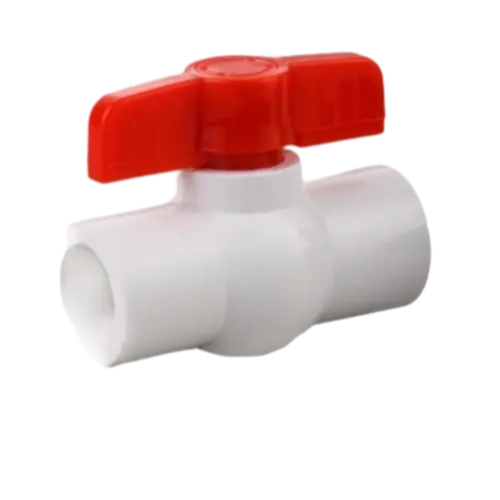
ball-valve-for-compressed-air-system-low-leakage1

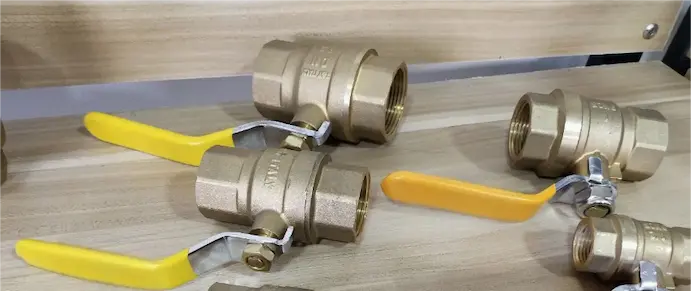
Why Choose Ball Valves for Compressed Air Systems

Learn why ball valves are widely used in compressed air systems for isolation, zoning, leakage control, and low-resistance airflow. The guide explains how tight shutoff, full-bore construction, suitable seat materials, pressure rating, cycling requirements, and proper valve sizing help reduce air loss, pressure drop, compressor workload, and operating cost in industrial pneumatic networks.

Read More »
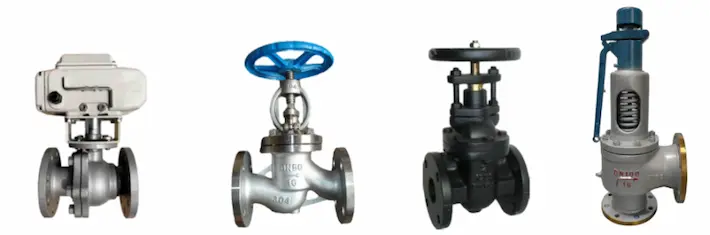
industrial-steam-valves

Types of Valves Used in Steam Applications | Complete Guide

Explore the main valve types used in steam systems, including globe, gate, ball, check, control, and safety valves. The guide explains how each valve supports steam regulation, isolation, backflow prevention, or overpressure protection, while highlighting key selection factors such as pressure-temperature rating, seat design, materials, condensate, thermal expansion, and installation position.

Read More »