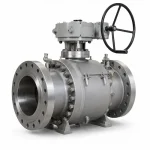
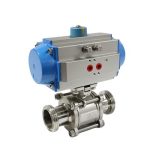
Valves in cement industry service must survive dust, abrasive powder, high temperature, vibration, frequent cycling and difficult maintenance access. A valve that works in clean water or general utility service may fail quickly in clinker, kiln dust, raw meal, fly ash, slurry, cooling water or pneumatic conveying lines. The right valve selection improves plant uptime, material handling efficiency and worker safety.
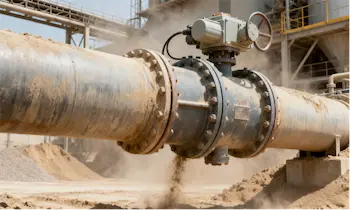
Why Cement Plants Are Hard on Valves
Cement production includes crushing, grinding, kiln operation, clinker cooling, dust collection, pneumatic conveying and packaging. Valves may handle dry powder, abrasive solids, hot gas, water, compressed air, fuel, slurry or chemicals. Each area creates a different failure risk.
The most common problems are seat wear, disc erosion, material build-up, actuator overload, leakage, stem packing damage and poor closure caused by dust accumulation. For general troubleshooting logic, compare these symptoms with common valve problem analysis.
9 Best Valve Selection Tips for Cement Industry Service
1. Match Valve Type to Material Form
Dry powder, slurry, cooling water and hot gas should not use the same valve design. Knife gate valves, butterfly valves, ball valves, slide gates and check valves each fit different duties.
2. Prioritize Abrasion Resistance
Abrasive cement dust and clinker particles can wear seats and sealing surfaces quickly. Hardened trim, ceramic lining, replaceable sleeves or wear-resistant seats may be required.
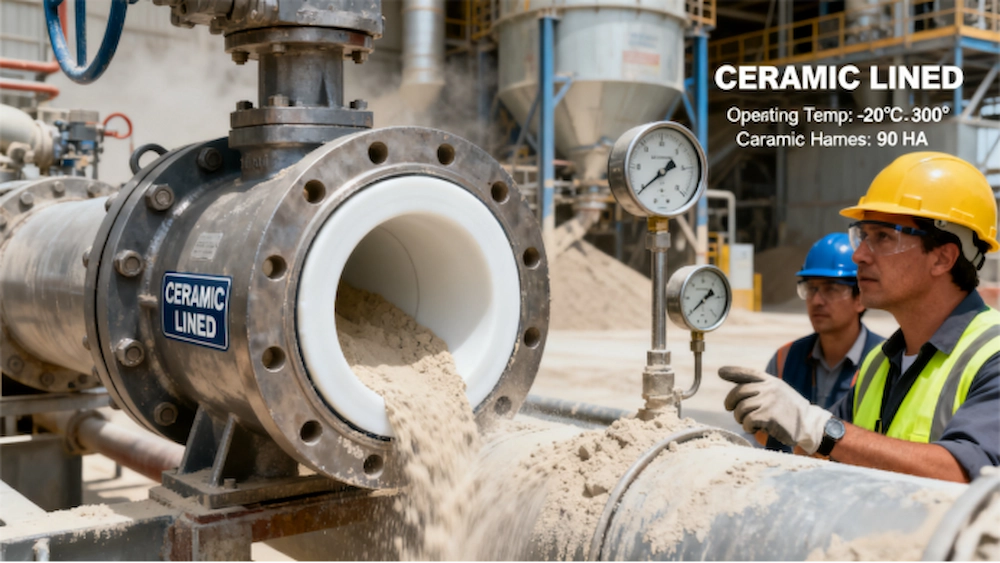
3. Check Dust Build-Up Risk
Dust can collect around the disc, seat and stem. Designs with pockets or narrow cavities may fail to close in dry bulk service.
4. Confirm Temperature Range
Kiln, clinker cooler and hot gas areas may require high-temperature body materials, packing and seats. Temperature should be checked with pressure rating and material limits.
5. Protect Actuators from Dust and Vibration
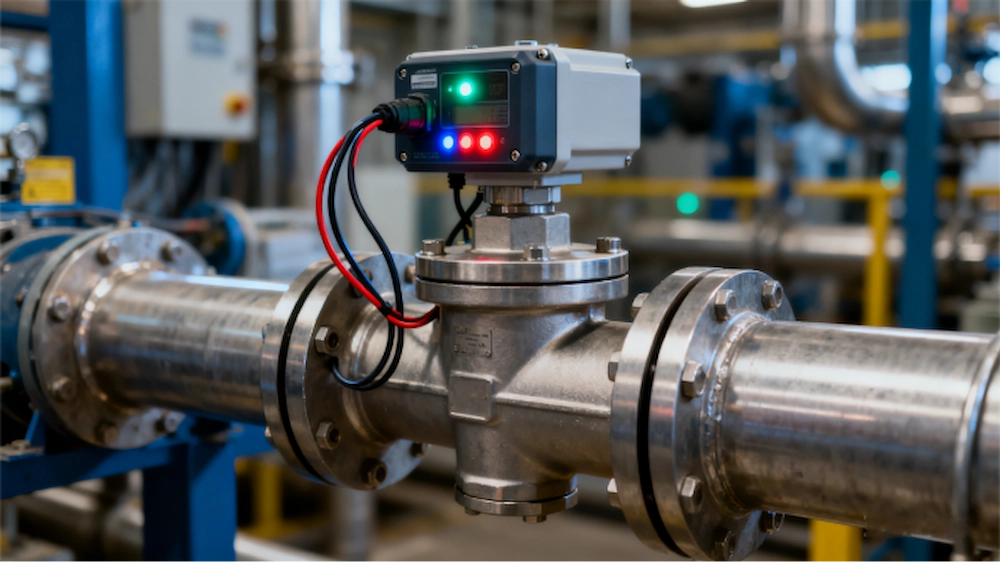
Automation can improve control, but actuators need dust protection, enclosure ratings, correct torque margins and accessible maintenance space.
6. Use Correct Sealing Expectations
Some cement service valves are used for isolation, others for flow diversion or throttling. Seat leakage expectations should match the service.
7. Plan Maintenance Access
Valves installed high on conveyors, silos or dust collectors should have safe access for inspection and replacement.
8. Check Pneumatic Conveying Velocity
High velocity powder can erode valve internals. Valve geometry should reduce impact points where possible.
9. Review Automation and Monitoring
Position feedback, torque monitoring and preventive maintenance records help avoid unplanned stoppages.
Common Valve Applications in Cement Plants
| Plant Area | Valve Requirement |
|---|---|
| Pneumatic conveying | Abrasion resistance, dust sealing and reliable actuation |
| Cooling water | Corrosion resistance and stable shutoff |
| Dust collection | Low leakage and resistance to powder build-up |
| Fuel and burner systems | Reliable isolation and safety compliance |
| Slurry or washdown | Material compatibility and erosion resistance |
Material and Seat Selection
Body and trim materials should be selected for abrasion, temperature, corrosion and maintenance interval. Ductile iron, carbon steel, stainless steel, hardened alloy, rubber-lined and ceramic-lined designs may all appear in different plant areas. Use the same structured thinking as the valve material selection guide.
For industry background, the Portland Cement Association is a useful reference point, while final valve specifications should be based on plant process conditions and equipment standards.
RFQ Checklist for Cement Plant Valves
- Material handled: powder, slurry, gas, water or fuel
- Particle size and abrasiveness
- Temperature and pressure
- Required leakage class or sealing expectation
- Manual or actuated operation
- Cycle frequency
- Installation orientation and access
- Required body, seat and trim material
- Dust protection and enclosure requirements
If the line handles corrosive chemicals or additives, compare the service with anti-corrosion valve materials for chemical processing.
FAQ
What valves are commonly used in cement plants?
Butterfly valves, knife gate valves, ball valves, slide gates, check valves and control valves are commonly used depending on the process area.
Why do cement plant valves wear quickly?
Abrasive powder, dust build-up, high temperature, vibration and frequent cycling can wear seats, discs, stems and actuators.
Are standard butterfly valves suitable for cement dust?
Only when the design, seat and material match the dust and abrasion conditions. General-purpose valves may fail quickly in dry bulk service.
When should cement plants use actuated valves?
Actuated valves are useful for remote operation, frequent cycling, safety interlocks and process automation.
What information is needed to quote cement industry valves?
Suppliers need media, particle size, temperature, pressure, cycle frequency, valve function, material requirement and actuator needs.