Installation & Maintenance

Installation & Maintenance

Butterfly-valve-showing-the-flow-direction-arrow-marking

Understanding the Valve Arrow on Butterfly Valve Bodies

Learn what the arrow marked on a butterfly valve body or nameplate may indicate and why it must be checked before installation. The guide explains flow direction, preferred pressure orientation, manufacturer markings, valve alignment, and installation practices that help maintain reliable sealing, correct operating torque, and longer valve service life.

Read More »
Full Port Ball Valve

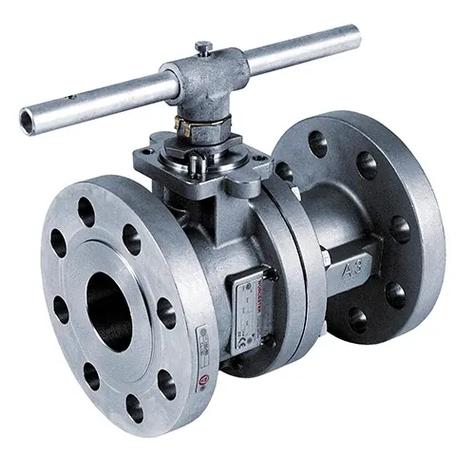
Full Port Ball Valve Maintenance and Repair Guide

Learn how to maintain and repair full port ball valves used in industrial pipelines, water systems, chemical service, oil and gas, steam, and utility applications. This guide explains routine inspection, leakage checks, stem and seat maintenance, media-compatible lubrication, torque monitoring, spare-part selection, pressure and seat leakage testing, repair-or-replace decisions, and common mistakes that can lead to stem seizure, internal leakage, corrosion, and premature valve failure.

Read More »
Double-plate-check-valve-in-vertical-pipeline

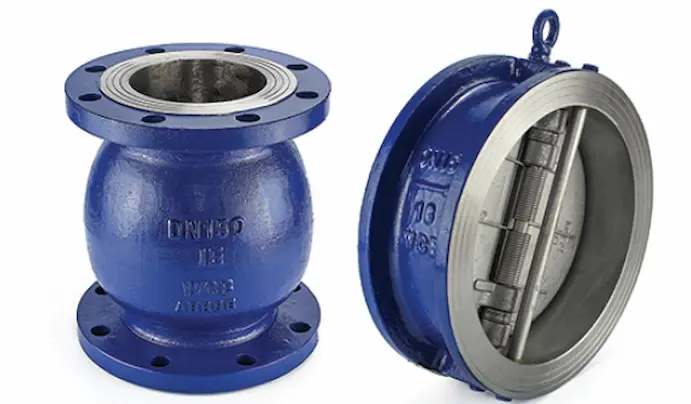
Can a Check Valve Be Installed Vertically?

Learn when a check valve can be installed in a vertical pipeline and how valve design, flow direction, gravity, spring force, minimum flow, and manufacturer requirements affect reliable operation. The guide compares swing, lift, disc, dual-plate, ball, and silent check valves while explaining how correct orientation helps prevent incomplete opening, reverse leakage, chatter, valve slam, pressure surges, and premature wear.

Read More »
nozzle-check-valve-vs-swing-check-valve-comparison

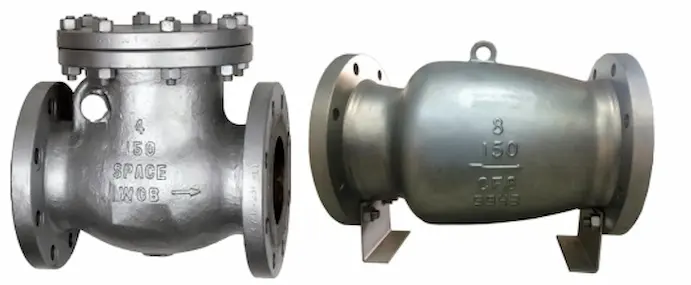
Why Install a Check Valve at the Pump Outlet?

Learn why check valves are installed at pump outlets to prevent reverse flow, reverse pump rotation, water hammer, seal damage, and unstable system operation. The guide also explains proper installation position, valve selection, and why fast-closing designs such as nozzle check valves are often preferred for pump discharge lines.

Read More »
Extended-stem-butterfly-valve

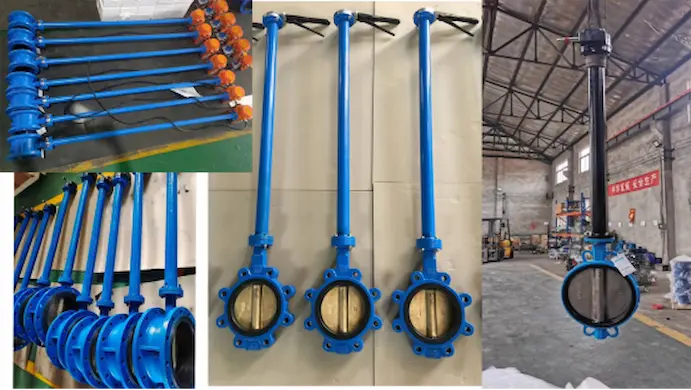
Extended Stem Butterfly Valves for Underground Pipelines

Learn how extended stem butterfly valves allow buried pipeline valves to be operated safely from ground level or inside a valve box without excavation. The guide explains stem length selection, valve box compatibility, corrosion and ingress protection, torque transmission, installation planning, and routine inspection considerations for municipal water, utility, and underground industrial pipeline systems.

Read More »
butterfly-valve-leaking-due-to-worn-seat.

How to Fix a Leaking Butterfly Valve: Causes, Inspection and Repair Guide

Learn how to troubleshoot and repair a leaking butterfly valve by identifying whether leakage comes from the seat, shaft, flange, body, or sealing surface. The guide explains common causes such as worn seats, damaged O-rings, misalignment, over-tightened flange bolts, material incompatibility, corrosion, and excessive pressure, while outlining safe isolation, inspection, repair, replacement, and preventive maintenance steps.

Read More »
flanged-globe-valve-installation-industrial-piping-system

Flanged Globe Valves: Installation, Maintenance and End-Connection Selection Guide

Learn how flanged globe valves improve installation, removal, inspection, and maintenance in industrial piping systems. The guide explains how flange connections support easier alignment, gasket replacement, bolted-joint inspection, valve removal, and maintenance access compared with welded or threaded end connections, while outlining key considerations such as flow direction, gasket selection, bolt tightening, flange standard compatibility, pressure-temperature rating, and service conditions.

Read More »
globe-valve-maintenance-inspection-industrial-valve.

How to Extend the Service Life of Your Globe Valve

Learn how proper globe valve maintenance can extend service life, reduce leakage, control operating torque, and prevent premature valve failure. The guide explains routine inspection, stem and thread lubrication, packing checks, seat and disc wear, thermal cycling effects, throttling-related erosion, maintenance records, and practical service-life practices for steam, chemical, high-temperature, and industrial process systems.

Read More »
ball-valve-open-closed-position-handle-alignment.

How to Tell If a Ball Valve Is Open or Closed: Position Indicator Guide

Learn how to determine whether a ball valve is open or closed by checking handle alignment, stem-slot direction, gear-operator indicators, actuator feedback, and valve documentation. The guide explains common causes of position misjudgment, why handle position alone can be misleading after maintenance or reassembly, and how clear marking, lockable handles, operator training, and reliable position indication improve safe valve operation and isolation.

Read More »
ball-valve-wrench-used-for-manual-valve-operation.

Ball Valve Wrenches and Manual Operating Tools: Safe Torque and Operation Guide

Learn how ball valve wrenches and manual operating tools affect safe and reliable valve operation. The guide explains why wrench length, valve size, operating torque, stem design, seat friction, pressure conditions, tool fit, and operator technique must be matched correctly to avoid over-torque, stem damage, seat wear, unsafe handle movement, and premature ball valve failure.

Read More »