Installation & Maintenance

Installation & Maintenance

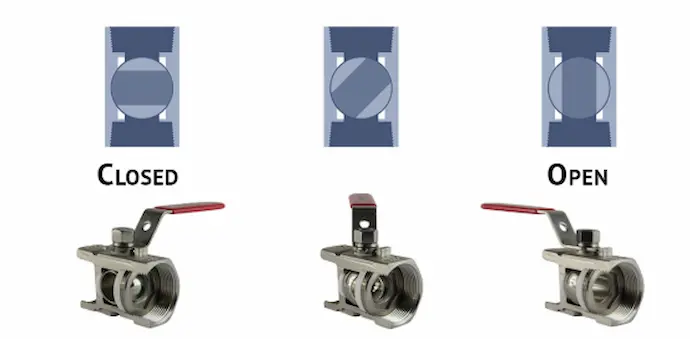
ball-valve-open-closed-position-handle-alignment.

How to Tell If a Ball Valve Is Open or Closed: Position Indicator Guide

Learn how to determine whether a ball valve is open or closed by checking handle alignment, stem-slot direction, gear-operator indicators, actuator feedback, and valve documentation. The guide explains common causes of position misjudgment, why handle position alone can be misleading after maintenance or reassembly, and how clear marking, lockable handles, operator training, and reliable position indication improve safe valve operation and isolation.
Read More »
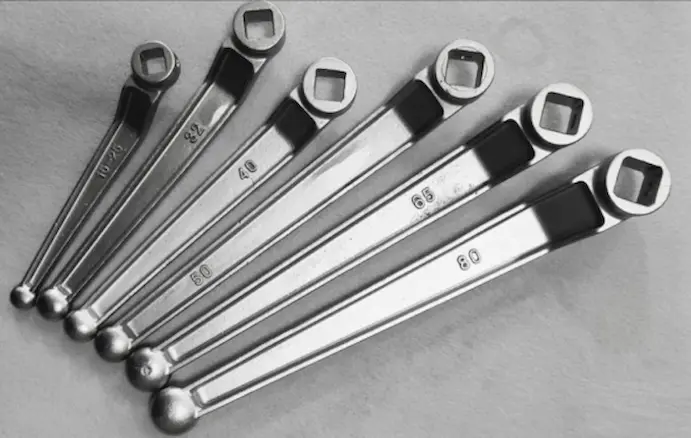
ball-valve-wrench-used-for-manual-valve-operation.

Ball Valve Wrenches and Manual Operating Tools: Safe Torque and Operation Guide

Learn how ball valve wrenches and manual operating tools affect safe and reliable valve operation. The guide explains why wrench length, valve size, operating torque, stem design, seat friction, pressure conditions, tool fit, and operator technique must be matched correctly to avoid over-torque, stem damage, seat wear, unsafe handle movement, and premature ball valve failure.

Read More »
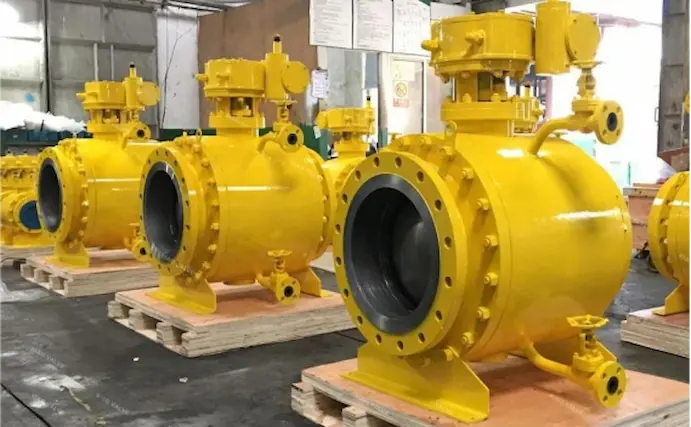
metal-seated-ball-valve-industrial-application.

Metal Seated Ball Valve Faults and Practical Solutions

Learn the main valve pressure test methods used to verify valve body strength, seat sealing, backseat performance, and leakage control before delivery or commissioning. The guide explains hydrostatic testing, pneumatic testing, shell tests, seat leakage tests, backseat tests, test documentation, safety precautions, and common standards such as API 598, ISO 5208, and EN 12266 for industrial valves.

Read More »
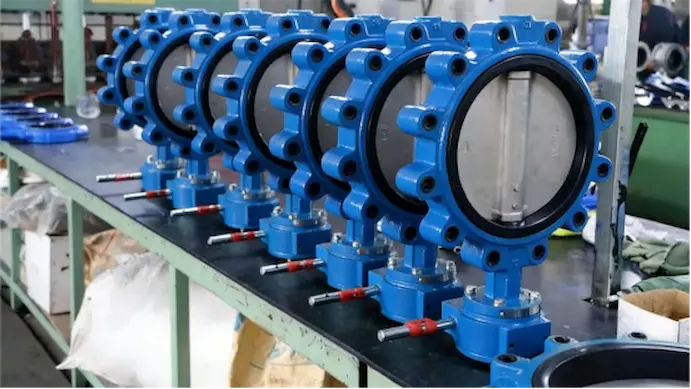
lug-butterfly-valve-end-of-line-installation

5 Common Lug Butterfly Valve Installation Mistakes and How to Avoid Them

Learn the most common lug butterfly valve installation mistakes and how to avoid leakage, seat damage, excessive operating torque, flange misalignment, uneven bolt loading, piping stress, and end-of-line service problems. This guide explains correct disc position during installation, flange inspection, cross-bolt tightening, controlled torque, pipeline alignment, pressure-rating limits, manufacturer instructions, and commissioning checks for lug-type butterfly valves in industrial piping systems.

Read More »
common-industrial-valve-failures-and-leakage

Industrial Valve Failures and Repair | Causes & Solutions

Learn the common causes of industrial valve failures and how to decide whether a valve should be repaired, refurbished, or replaced. The guide explains leakage, sticking, jamming, actuator failure, cavitation, erosion, material mismatch, sealing damage, predictive maintenance, inspection records, pressure testing, and root-cause analysis for improving valve reliability and reducing unplanned shutdowns.

Read More »
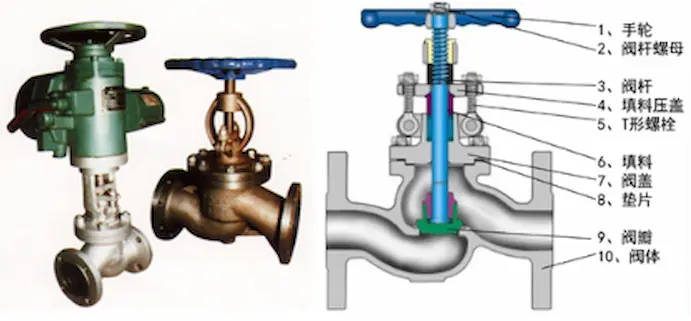
globe valve throttling operation

How to Tell If a Valve Is Open or Closed: Position Indicator Guide

Learn how to determine whether a valve is open, closed, or partially open by checking handle direction, stem position, handwheel travel, actuator indicators, position feedback, flow response, and operating records. The guide explains common valve position indicators for ball valves, gate valves, globe valves, check valves, and automated valves, while highlighting inspection, maintenance, lockout/tagout, and safety practices that help prevent misoperation in industrial, HVAC, plumbing, and process systems.

Read More »
ball-valve-open-closed-position-diagram.

How to Tell If a Valve Is Open or Closed: Practical Position Guide

Learn how to tell whether a valve is open, closed, or partially open by checking handle direction, stem position, disc orientation, flow indicators, actuator feedback, and system response. This practical guide explains common open/closed rules for ball valves, gate valves, globe valves, butterfly valves, and automated valves, while highlighting safety checks, labeling practices, and lockout/tagout precautions for plumbing, HVAC, utility, and industrial piping systems.

Read More »