Quick Overview
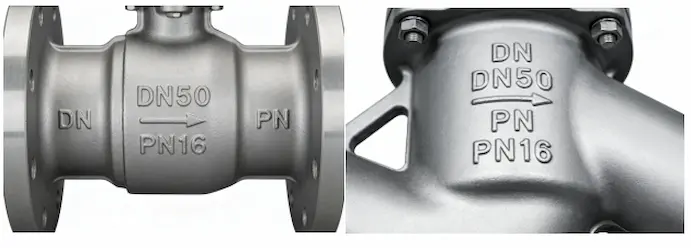
Understanding DN and PN in valves is essential for engineers and buyers selecting industrial valves. DN (Diameter Nominal) represents the nominal size classification of a valve, while PN (Pressure Nominal) indicates the pressure rating a valve can safely withstand. Together, DN and PN valve specifications ensure compatibility with piping systems and safe operation under pressure.
A Familiar Engineering Scenario
A project engineer receives a specification sheet showing:
DN100 PN16
The engineer immediately understands the valve size, but a key question remains:
Is the pressure rating sufficient for the pipeline system?
If the operating pressure reaches 15 bar with occasional surges, a PN16 valve may work — but with minimal safety margin.
Situations like this show why understanding DN and PN valve meaning is critical for industrial systems.
Common Problems Buyers Encounter
Confusion Between Valve Size and Pressure Rating
Many new buyers assume DN refers to pressure capacity, when it actually represents the nominal diameter.
Incorrect Pressure Class Selection
Choosing the correct DN valve size but the wrong PN rating can lead to leakage, deformation, or premature valve failure.
Mixing International Standards
Global projects sometimes mix DN/PN standards with ANSI Class ratings, causing compatibility issues during installation.
Practical Solutions for Selecting DN and PN
Match DN With Pipeline Diameter
The DN designation ensures the valve fits pipes, flanges, and fittings of the same nominal size.
Select PN Based on Maximum System Pressure
Engineers typically choose valves with a PN rating higher than the system’s operating pressure.
Consider Temperature Effects
Higher temperatures reduce allowable pressure limits. Always check pressure–temperature ratings before final selection.
What Does DN Mean in Valves?
DN stands for Diameter Nominal, a standardised way of identifying pipe and valve sizes.
Key points:
-
DN represents nominal diameter classification
-
It ensures compatibility across pipelines and valves
-
It does not represent the exact internal diameter
Example DN sizes:
| DN | Approx Pipe Size |
|---|---|
| DN15 | 1/2 inch |
| DN25 | 1 inch |
| DN50 | 2 inch |
| DN100 | 4 inch |
Actual pipe diameters may vary depending on wall thickness and material standards.
What Does PN Mean in Valves?
PN stands for Pressure Nominal, which represents the pressure rating of the valve under standard conditions.
Typical PN ratings include:
-
PN6
-
PN10
-
PN16
-
PN25
-
PN40
-
PN64
For example:
PN16 indicates a valve designed to withstand 16 bar pressure at reference temperature.
However, actual allowable pressure may change depending on temperature and valve material.
Difference Between DN and PN
Although DN and PN appear together on valve labels, they represent different parameters.
| Parameter | DN | PN |
|---|---|---|
| Meaning | Nominal diameter | Nominal pressure rating |
| Function | Determines valve size | Determines pressure capacity |
| Unit | Size classification | Pressure (bar) |
| Example | DN100 | PN16 |
In simple terms:
DN ensures the valve fits the pipeline
PN ensures the valve withstands system pressure
Case Study: Incorrect PN Rating Selection
A water treatment facility installed DN200 PN10 butterfly valves in a pipeline operating near 12 bar pressure.
During pressure spikes:
-
valve bodies experienced deformation
-
minor leakage developed at flange connections
The root cause was clear:
The PN rating was lower than the system pressure.
After replacing the valves with PN16 models, the pipeline system operated reliably without further leakage.
Data / Scientific Analysis
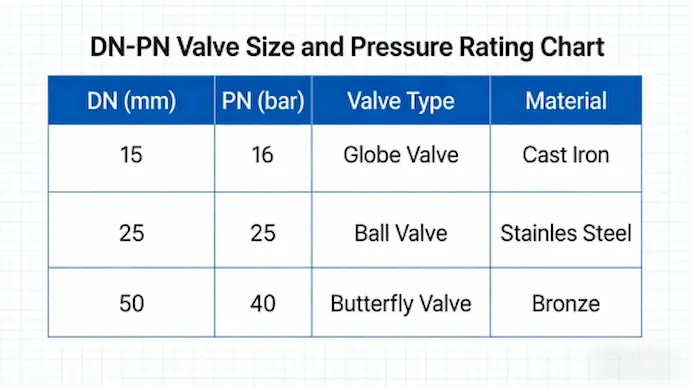
Below is a simplified comparison of typical DN sizes and PN pressure ratings used in industrial valve applications.
| DN Size | Typical Application | Common PN Rating | Industry |
|---|---|---|---|
| DN15–DN50 | Instrument lines | PN16 / PN25 | Chemical plants |
| DN65–DN150 | Water systems | PN16 | Municipal utilities |
| DN200–DN400 | Oil pipelines | PN25 / PN40 | Energy industry |
| DN450–DN800 | Large water pipelines | PN10 / PN16 | Infrastructure |
| DN900+ | Process pipelines | PN25+ | Petrochemical plants |
This classification helps engineers balance flow capacity, pressure tolerance, and installation cost.
Industry Trends in Valve Standards
Modern infrastructure projects increasingly combine multiple international standards.
Common standards include:
-
ISO pipe size standards for DN
-
European PN pressure classifications
-
ANSI pressure classes for American systems
To accommodate international projects, manufacturers such as Vcore Valve often produce valves compatible with both DN/PN and ANSI standards.
Practical Tips for Engineers
When selecting industrial valves, consider these guidelines:
1. Always match DN with pipeline size
Ensures compatibility with pipes and flanges.
2. Select PN with sufficient safety margin
Pressure spikes can exceed nominal operating pressure.
3. Check temperature derating
High temperatures reduce allowable pressure limits.
Conclusion
Understanding DN and PN meaning in valves is fundamental for safe and efficient pipeline design. DN determines the nominal valve size, ensuring compatibility with piping systems, while PN indicates the pressure rating a valve can safely handle. Selecting the correct combination helps prevent leaks, system failures, and costly downtime.
At Vcore Valve, we manufacture industrial valves designed according to international DN and PN standards, helping engineers and buyers choose valves that deliver both precise sizing and reliable pressure performance.
FAQs
What does DN mean in valves?
DN stands for Diameter Nominal, which represents the nominal size classification used for pipes and valves.
What does PN mean in valves?
PN means Pressure Nominal, indicating the pressure rating the valve can safely withstand.
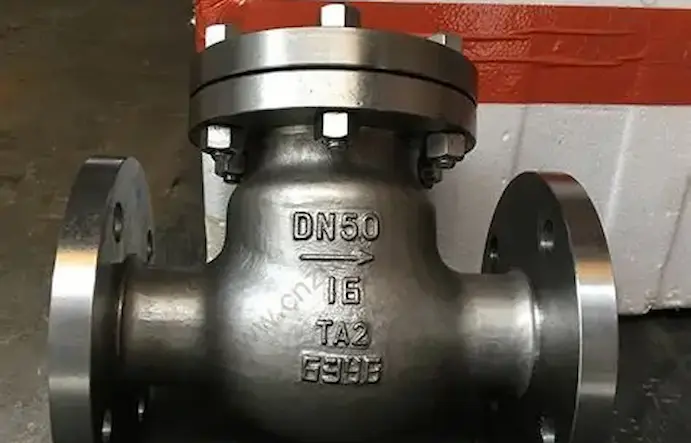
What does DN50 PN16 mean?
It means the valve has a 50 mm nominal diameter and a pressure rating of 16 bar.
Is DN the actual pipe diameter?
No. DN is a standardised reference size, not the exact internal diameter.
What happens if PN rating is too low?
The valve may leak, deform, or fail if system pressure exceeds its PN rating.
Can DN/PN be used with ANSI systems?
Yes, but engineers must verify compatibility between PN ratings and ANSI pressure classes.
Reference
ISO 6708 — Pipework Components Nominal Size
https://www.iso.org
Engineering Toolbox — Valve Pressure Ratings
https://www.engineeringtoolbox.com
Valve Engineering Guide — DN and PN Explanation