Quick Summary
Valves Optimize Performance in power plants by protecting boilers, turbines, condensate systems, cooling water loops, feedwater lines, steam headers and auxiliary packages. Reliability depends on the right valve type, pressure class, material, sealing design, actuator, test standard and maintenance plan. A small leakage point can become a costly efficiency loss or safety risk in continuous power generation.
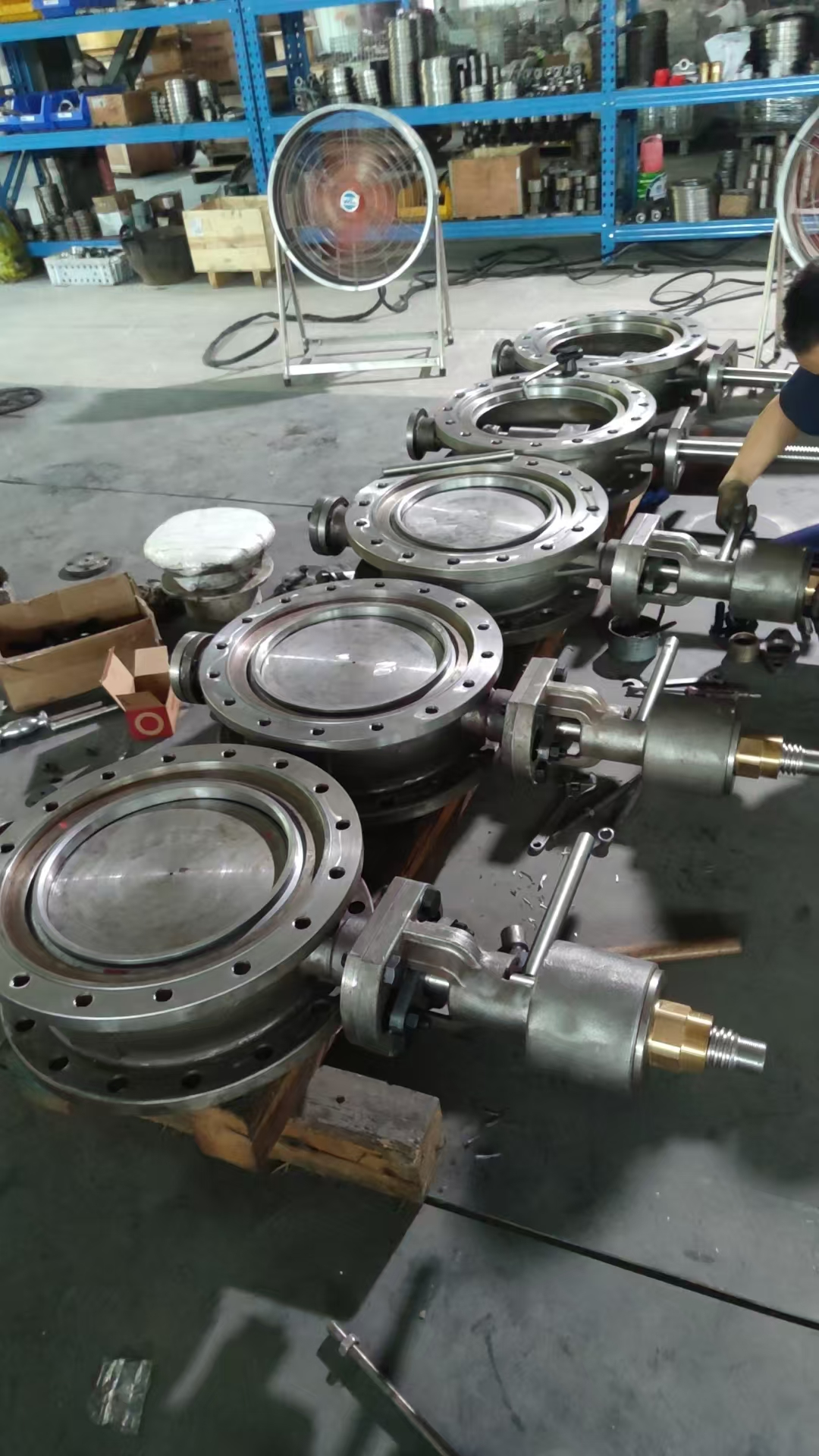
Why Power Generation Needs Better Valve Discipline
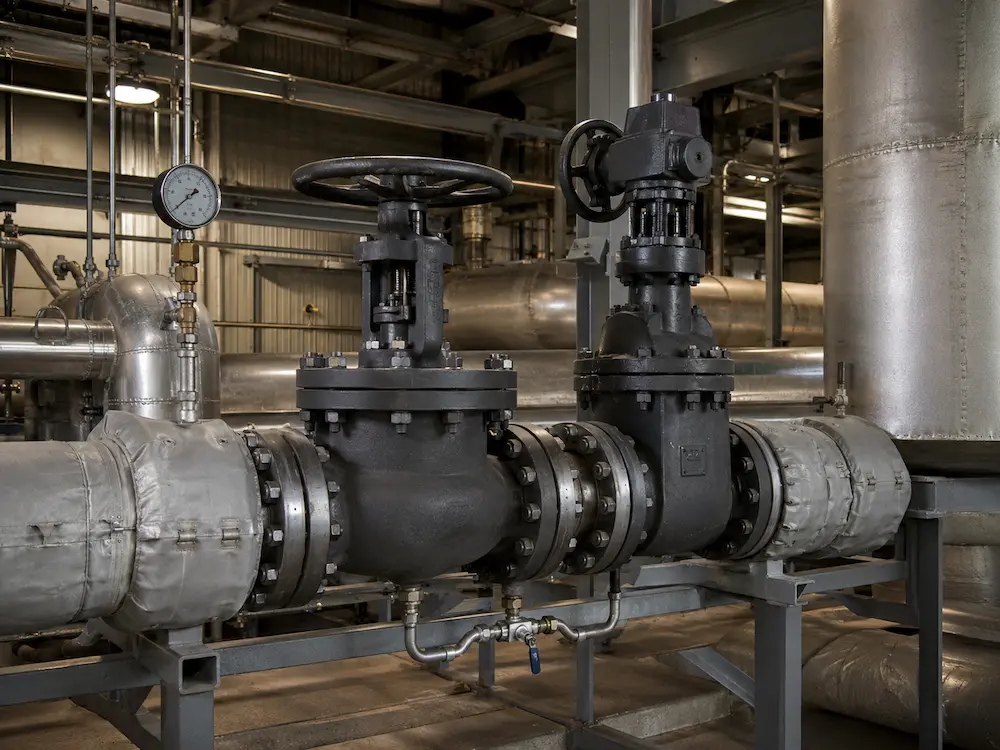
Power plants operate with high temperature, pressure cycling and strict uptime targets. Valves are not only on-off devices; they isolate equipment, control flow, protect safety systems and support maintenance windows. When a steam valve leaks, a drain valve sticks or an actuator fails, the effect can spread across efficiency, water chemistry and production planning.
For severe leakage and seat issues, compare the symptoms with valve sealing performance before deciding whether to repair or replace the valve.
7 Critical Checks for Power Plant Valve Reliability
- Specify the operating case, not only the line size. Steam pressure, temperature, cycling frequency and start-up conditions should guide valve selection.
- Select materials for thermal stress. Body, trim, seat and packing materials must handle both normal operation and start-up shocks.
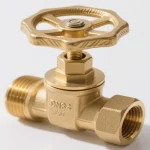
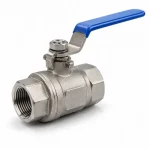
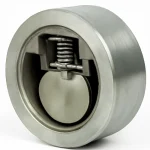
- Use the correct valve type. Gate valves, globe valves, check valves, ball valves and butterfly valves each behave differently under throttling, isolation and non-return duty.
- Control leakage paths. Seat design, stem packing and gasket selection affect heat loss, water loss and safety risk.
- Automate critical isolation where useful. Electric actuation can improve repeatability and remote control. See electric ball valves for automation considerations.
- Test to the right standard. Inspection, hydrotest and seat leakage criteria should be stated clearly. The guide to international standards in valve manufacturing explains common references.
- Replace valves before failure becomes forced outage. Persistent leakage, corrosion, stem damage and repeated actuator faults are warning signs.
Where Valves Affect Plant Performance
In a power station, the question is not only whether a valve opens and closes. The buyer should confirm the service duty, pressure-temperature rating, leakage class, material group, trim hardness, actuator response, and inspection records. This is where valves optimize performance: they reduce leakage losses, protect equipment isolation, and make planned outages more predictable.
| Plant Area | Common Valve Duty | Key RFQ Check |
|---|---|---|
| Main steam and hot reheat | High-temperature isolation and control | Confirm alloy body material, pressure-temperature rating, hardfaced trim, end connection, and test standard |
| Feedwater and condensate | Isolation, check service, throttling, pump protection | Check pressure cycling, non-return function, seat leakage limits, and actuator fail position |
| Cooling water | Large flow isolation and system balancing | Confirm corrosion allowance, coating, elastomer compatibility, and gearbox or actuator sizing |
| Boiler blowdown and drains | Erosion-prone intermittent service | Review trim material, seat design, temperature shock, and maintenance access |
| Safety and bypass systems | Protection, startup, bypass, emergency operation | Require clear calibration, testing, tagging, and certificate records before commissioning |
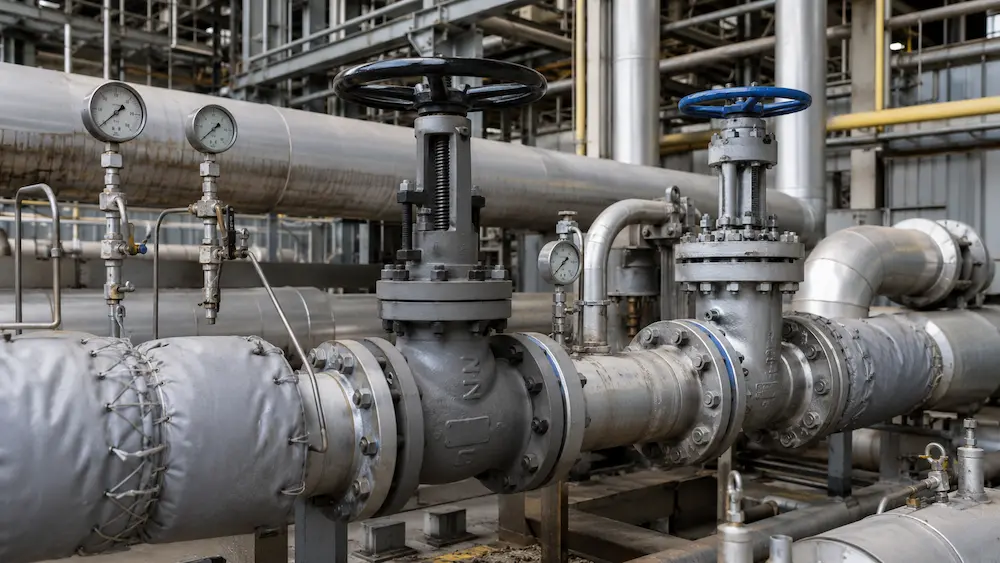
| Plant Area | Valve Duty | Reliability Concern |
|---|---|---|
| Main steam | Isolation and control | High temperature, pressure and leakage |
| Condensate | Drainage and return | Water hammer and corrosion |
| Cooling water | Isolation and throttling | Scaling, erosion and external corrosion |
| Fuel systems | Shutoff and safety | Tight sealing and actuation speed |
| Auxiliary packages | Maintenance isolation | Accessibility and spare parts |
For steam and feedwater lines, validate the selected class against the real operating temperature with our valve pressure-temperature rating guide. For material decisions, pair the service conditions with the valve material selection guide.
Maintenance Signals to Track
Record valve operating torque, visible corrosion, packing adjustment frequency, leakage reports, actuator alarms and test failures. If the same valve appears repeatedly in maintenance logs, it may be time to review valve replacement signs and plan a controlled changeout.
For boiler and pressure-system projects, buyers often align valve documentation with recognized ASME codes and standards.
Spare Parts and Outage Planning
Reliability also depends on what happens after installation. Plants should keep critical packing sets, gaskets, position switches and actuator accessories available before each outage. When spare parts are missing, a small repair can turn into an extended shutdown. Maintenance teams should also record torque trends and travel time so abnormal movement is noticed before the next forced stop.
For high-temperature service, the inspection plan should include insulation condition, bolting checks and signs of thermal fatigue. For cooling and water systems, coating condition and sediment buildup deserve attention. These routine checks help the plant decide whether to repair, upgrade or replace equipment during a planned window.
How Valves Optimize Performance in Daily Operation
Valves optimize performance when they isolate equipment quickly, seal consistently and respond predictably to control signals. In a power plant, this affects start-up time, heat loss, cooling efficiency and maintenance safety. Valves optimize performance most clearly when the site tracks leakage, travel time, actuator feedback and repair frequency as operating data rather than isolated maintenance notes.
During outage planning, valves optimize performance by giving the maintenance team reliable isolation points. If an old unit cannot shut off cleanly, technicians may need extra blinds, drains or temporary procedures. That adds labor and risk. A well-selected replacement can reduce these steps and make the next outage more predictable.
Valves optimize performance only when the complete assembly is correct. Body material, trim, packing, actuator torque, limit switches and test records should all match the duty. For severe steam or cooling service, the equipment should be reviewed as part of the plant reliability program, not as a generic commodity purchase.
Commissioning Records That Matter
Keep commissioning records for torque settings, stroke time, leakage checks, actuator calibration and insulation condition. These records create a baseline for future troubleshooting. When the same item later shows slower movement or more frequent packing adjustment, the team can identify degradation before production is affected.
FAQ
Which valves are most common in power plants?
Gate, globe, check, ball and butterfly valves are common, but the correct type depends on isolation, throttling, non-return or control duty.
Why do steam valves fail?
Common causes include thermal cycling, erosion, poor sealing, wrong material selection, packing damage and improper operation.
Can automation improve power plant valve reliability?
Yes, when torque, duty cycle, feedback and control logic are correctly specified for the service.