Quick Summary
Choosing between a PVC ball valve and a stainless steel ball valve is not just about price — it’s about pressure, temperature, media compatibility, and long-term reliability. At Vcore Valve, we often see buyers struggle with over-engineering or under-specifying valves. This guide breaks down the real differences, performance data, and application scenarios so you can select the right ball valve material with confidence, not guesswork.
Opening Scenario
“Why did this valve crack after six months?”
We hear this question more often than you’d think.
In most cases, the issue isn’t the valve design — it’s the wrong material choice. PVC and stainless steel ball valves may look similar, but they behave very differently once installed.
User Pain Points
Overpaying for stainless steel when PVC would do
Many systems don’t need metal valves — but buyers choose stainless “just in case”.
PVC valve failure under pressure or heat
PVC performs well in cold water but struggles in high-temperature or high-pressure systems.
Chemical compatibility confusion
Not all media that suit stainless steel are safe for PVC — and vice versa.
Solutions & Recommendations
Match valve material to operating conditions
Pressure, temperature, and media should dictate the choice — not habit.
Understand lifecycle cost, not just unit price
A cheaper valve that fails early costs more in downtime and replacement.
Use certified industrial-grade valves
At Vcore Valve, all PVC ball valves and stainless steel ball valves are pressure-tested and material-certified.
Case Studies / Examples
Case 1: Water Treatment System
A customer replaced stainless steel valves with PVC ball valves for non-critical cold-water lines — cutting costs by 40% without performance loss.
Case 2: Chemical Processing Line
PVC valves cracked due to solvent exposure. Switching to 316 stainless steel ball valves eliminated failures completely.
Data & Technical Comparison
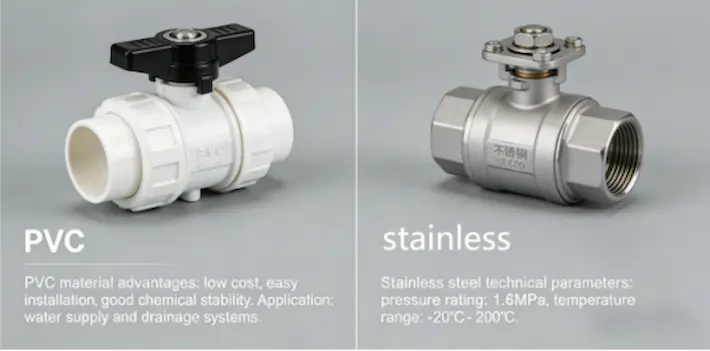
| Feature | PVC Ball Valve | Stainless Steel Ball Valve |
|---|---|---|
| Max Temperature | ~60°C | Up to 400°C |
| Pressure Rating | Low–Medium | High |
| Corrosion Resistance | Excellent (specific chemicals) | Excellent (wide range) |
| Weight | Very light | Heavy |
| Cost | Low | Higher |
| Mechanical Strength | Limited | Very high |
Market Trends & Insights
-
PVC valves dominate water treatment & irrigation
-
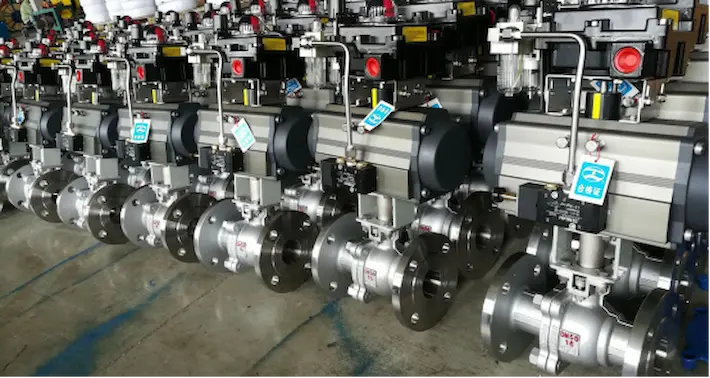
Stainless steel valves are standard in oil, gas, chemical & steam
-
Hybrid systems increasingly use both materials strategically
From a market perspective, smart buyers no longer ask “Which is better?” — they ask “Which is right?”
Usage & Selection Tips
-
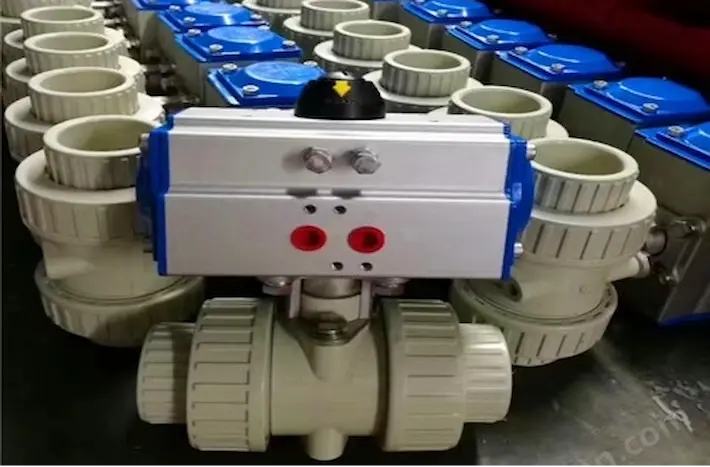
Choose PVC ball valves for:
-
Cold water
-
Low pressure
-
Corrosive but low-temperature media
-
-
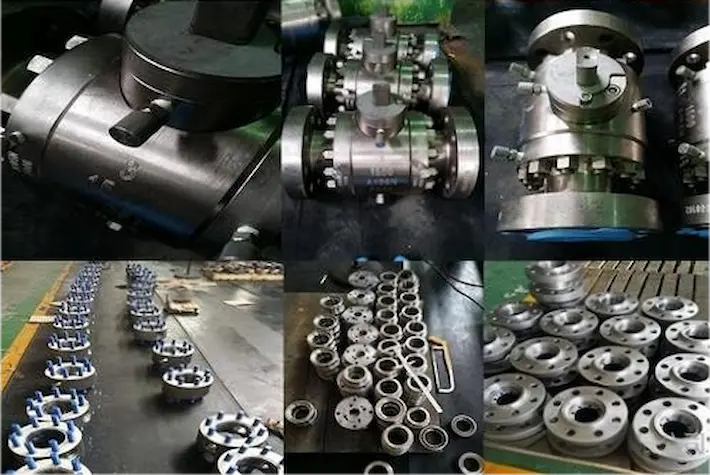
Choose stainless steel ball valves for:
-
High pressure
-
High temperature
-
Steam, oil, gas, chemicals
-
If you’re unsure, our engineers at Vcore Valve review drawings and operating data before recommending any valve.
Conclusion
There is no universal winner in the PVC vs stainless steel ball valve debate — only the correct application.
👉 If you want reliable performance, longer service life, and zero surprises, talk to Vcore Valve before choosing.
Contact us today for material selection support or a custom valve solution.
FAQ
1. Is a PVC ball valve as durable as a stainless steel ball valve?
No. PVC is durable for low-pressure and low-temperature applications but cannot match stainless steel in strength.
2. Can PVC ball valves be used for chemicals?
Yes, but only for specific chemicals and temperatures. Always check compatibility.
3. Are stainless steel ball valves corrosion resistant?
Yes. Especially 304 and 316 stainless steel grades.
4. Which valve is better for outdoor use?
PVC resists corrosion well outdoors, but stainless steel handles mechanical stress better.
5. Why are stainless steel ball valves more expensive?
Material cost, machining complexity, and higher pressure/temperature ratings increase cost.