
Stainless Steel Ball Valve for Chemical Transfer: Body, Seat and Connection Selection
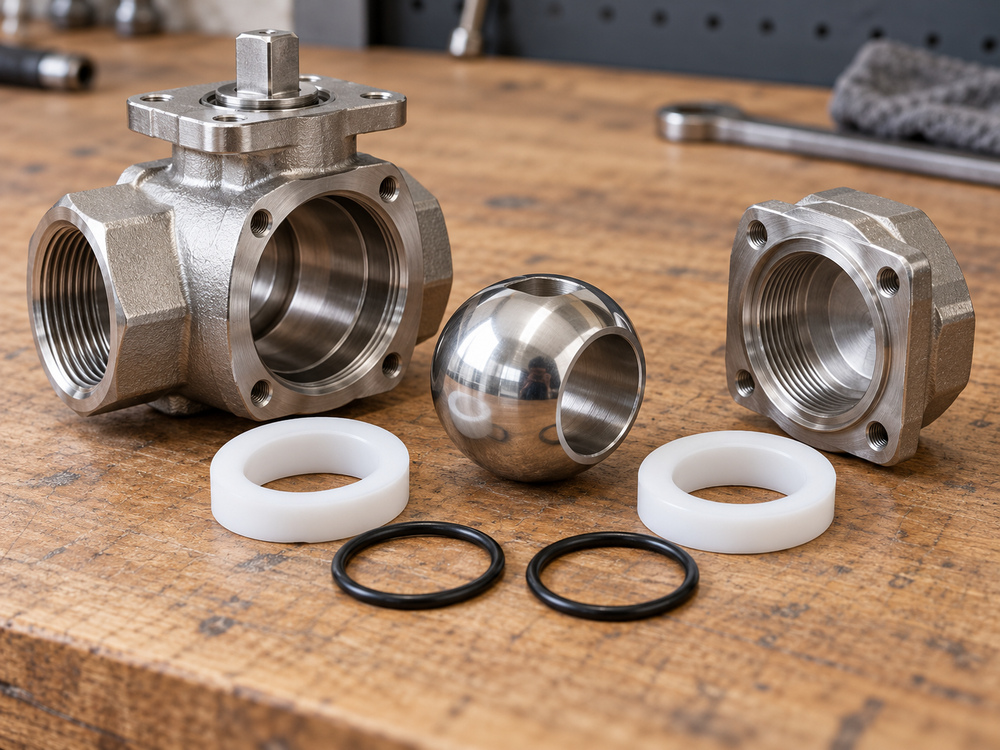
Stainless Steel Ball Valve for Chemical Transfer: Body, Seat and Connection Selection Quick Summary: A quote-ready enquiry for a ball valve for chemical transfer starts with the chemical name, concentration, phase, operating/design temperature and pressure. Specify the entire wetted-material package, seats, body seals, packing, size, bore and exact end connections. “SS316, PTFE, DN50” is […]
Cast vs Forged Ball Valve: What Buyers Should Specify for Process Service
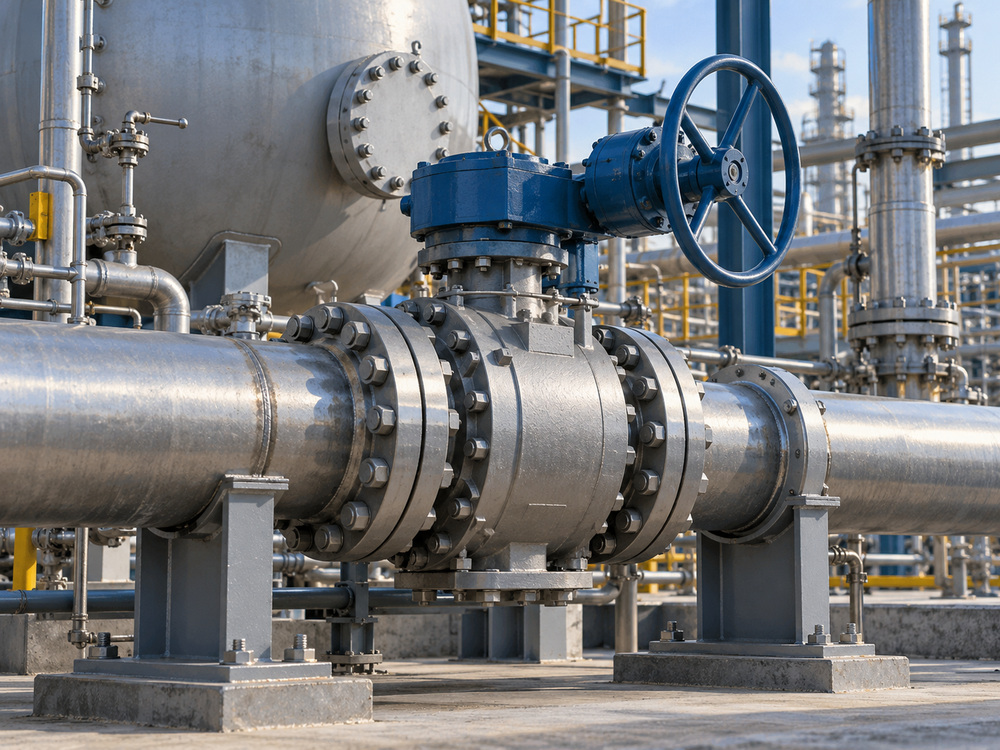
Cast vs Forged Ball Valve: What Buyers Should Specify for Process Service Quick Summary: Select a cast or forged ball valve by the approved piping class, fluid, size, pressure–temperature envelope and inspection scope. Cast bodies can be an economical option for qualified industrial-water and chemical-transfer duties; forged bodies may be specified for compact high-pressure equipment […]
Ball Valve Applications: Water, Gas, Steam, Oil and Chemical Service
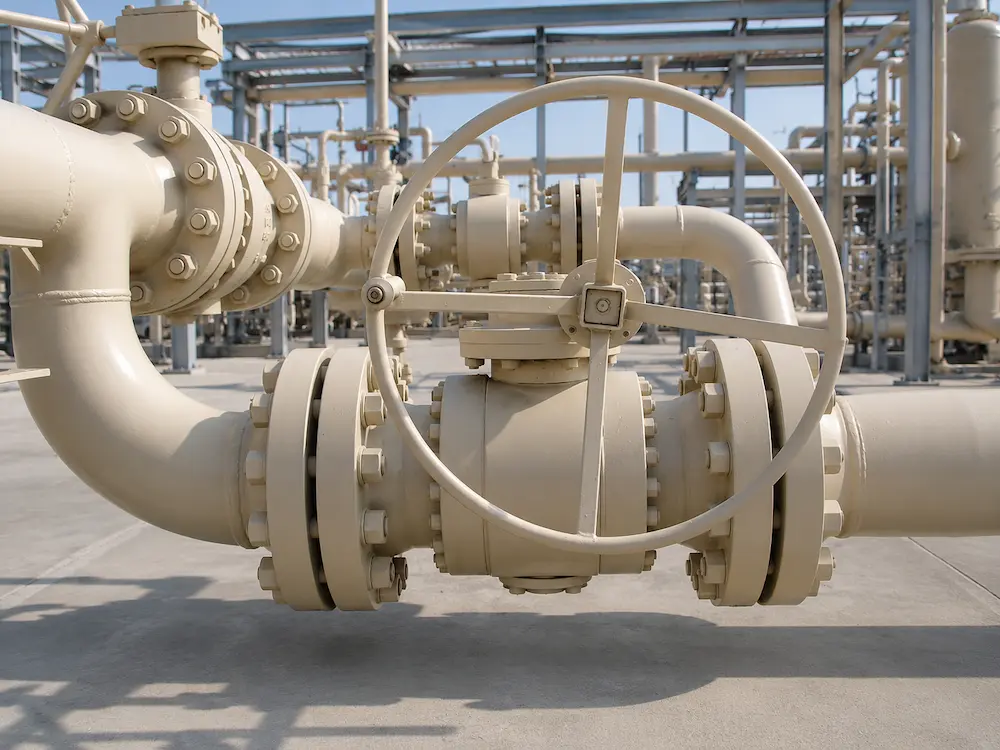
Learn common ball valve applications in water, gas, steam, oil, chemical, utility, and industrial process pipelines, including material, seat, pressure, and operation selection tips.
Stainless Steel Ball Valves for Industrial Applications: Selection Guide
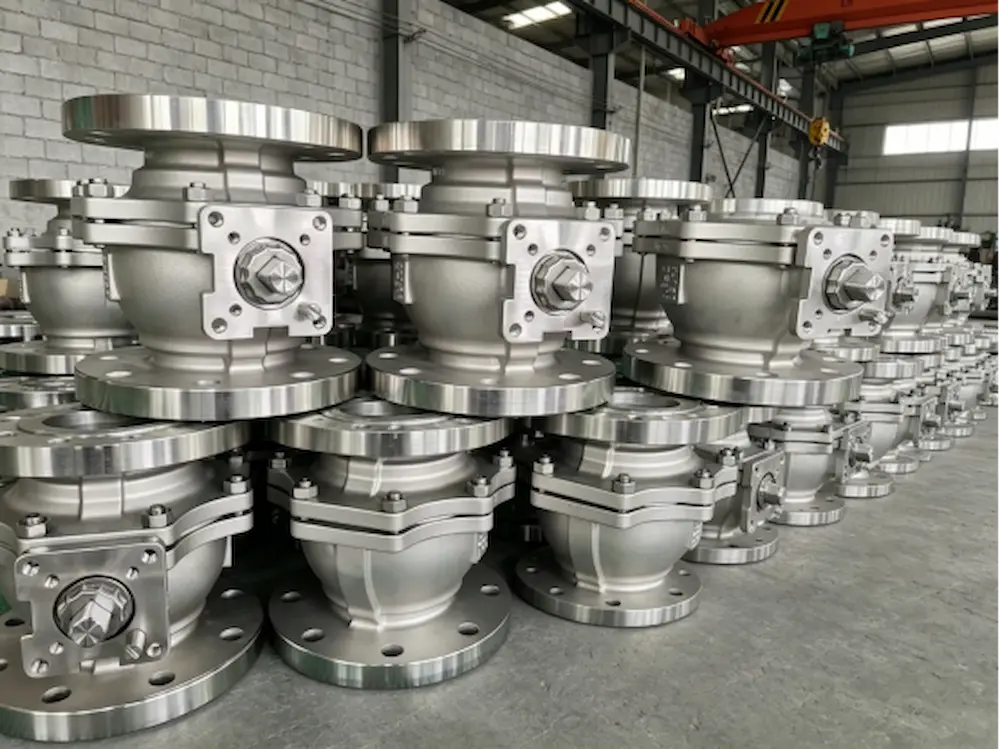
Learn how to choose stainless steel ball valves for industrial applications by material grade, pressure, temperature, seat material, media compatibility, connection, and operation method.
Industrial Ball Valves: 12 Best Types, Materials and Selection Tips
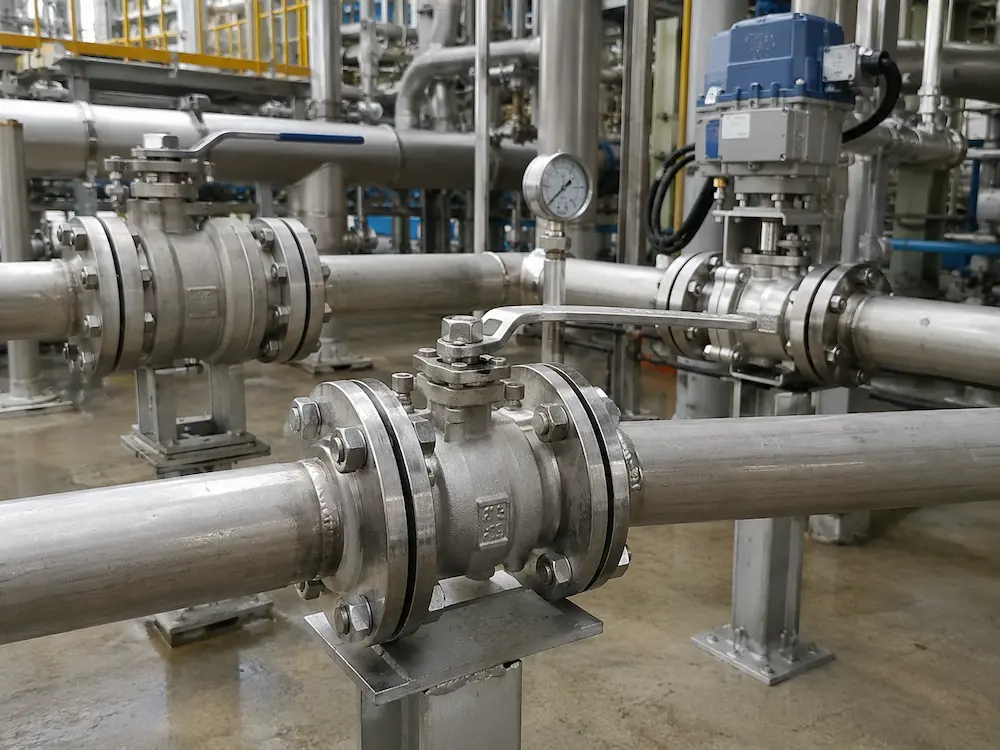
Learn how to choose industrial ball valves by valve type, material, seat design, port type, connection, pressure, temperature, media, automation, and application.
Needle Valve vs Ball Valve: Full Comparison Guide
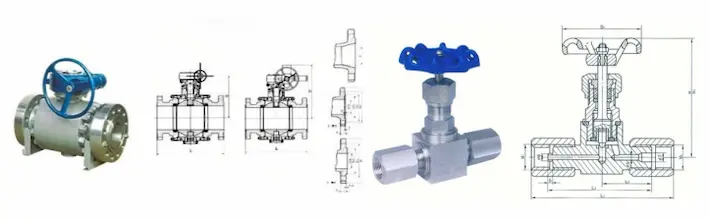
Compare needle valves and ball valves by flow-control precision, pressure drop, operating method, shutoff performance, and application. Needle valves provide fine, gradual adjustment for instrumentation, calibration, sampling, and low-flow control systems, while ball valves offer rapid quarter-turn operation, low flow resistance, and reliable isolation for water, oil, gas, and general industrial pipelines.
PVC Ball Valve vs Stainless Steel Ball Valve: Which One Should You Choose?
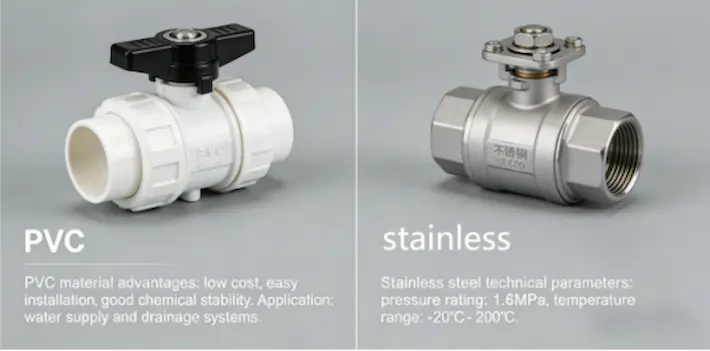
Compare PVC and stainless steel ball valves by pressure and temperature capability, corrosion resistance, mechanical strength, weight, cost, and media compatibility. PVC ball valves offer a lightweight and economical solution for cold water, irrigation, water treatment, and compatible low-temperature chemicals, while stainless steel ball valves provide greater strength and durability for high-pressure, high-temperature, steam, oil, gas, and demanding chemical applications.
What Is a CF8M Ball Valve? Complete Industrial Guide
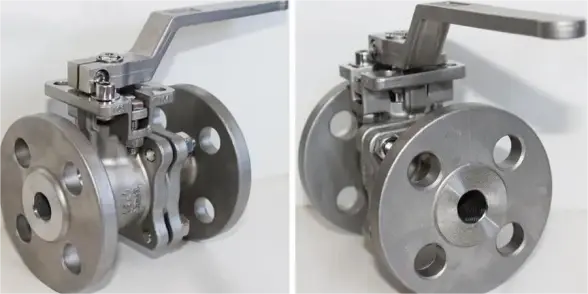
Learn what a CF8M ball valve is, including its ASTM A351 cast stainless steel composition, corrosion resistance, available valve designs, and industrial applications. CF8M is comparable to 316 stainless steel and contains molybdenum for improved resistance to chlorides, acids, and pitting, making these valves suitable for chemical processing, marine, oil and gas, food processing, and other corrosive services.