Quick Overview
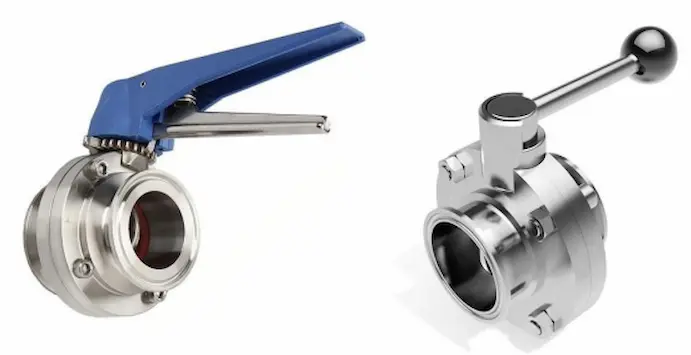
Our stainless steel butterfly valve is a compact, quarter-turn valve designed for reliable flow control in corrosive, hygienic, and high-performance industrial environments. Thanks to excellent corrosion resistance, low maintenance requirements, and automation compatibility, stainless steel butterfly valves have become a preferred choice across chemical processing, food & beverage, water treatment, and energy sectors. At Vcore Valve, these valves are engineered for durability, efficiency, and long-term operational stability.
A Common Industry Scenario
“We upgraded the actuator, but the valve still corrodes.”
“Then the problem isn’t automation—it’s material selection.”
In many systems, upgrading to stainless steel is the real performance breakthrough.
Key User Pain Points
Corrosion and Material Degradation
Carbon steel or coated valves often fail in corrosive or humid environments.
Hygiene and Contamination Risks
Industries with strict cleanliness requirements cannot tolerate rust or coating failure.
Automation Compatibility Issues
Poorly designed valves lead to unstable torque and premature actuator wear.
Practical Solutions from Engineering Experience
Choose Stainless Steel Construction
A corrosion resistant butterfly valve made from stainless steel offers long service life and stable sealing performance.
Select the Right Disc and Seat Design
Optimised disc profiles reduce turbulence and operating torque.
Design with Automation in Mind
Automation-ready industrial butterfly valves ensure smooth operation with pneumatic or electric actuators.
What Is a Stainless Steel Butterfly Valve?
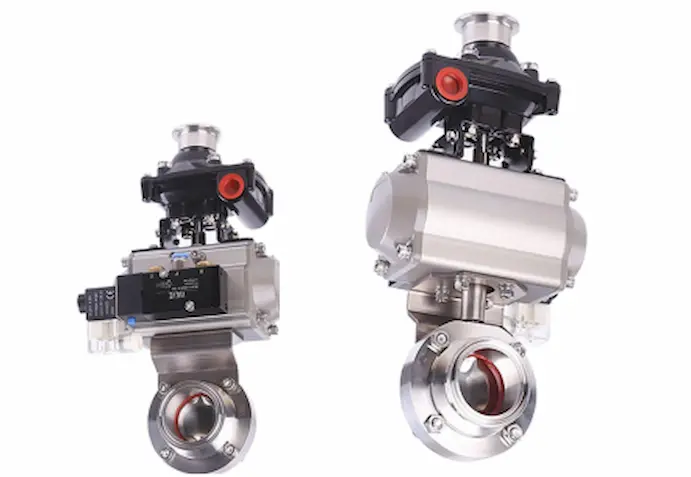
A stainless steel butterfly valve controls flow using a rotating disc mounted on a central shaft. Stainless steel materials such as CF8, CF8M, or 316 provide excellent resistance to corrosion, chemicals, and high temperatures.
Key Structural Components
-
Stainless steel body
-
Precision-machined disc
-
Resilient or metal seat
-
Shaft and sealing system
This simple yet effective structure allows fast shut-off and reliable throttling.
Types of Stainless Steel Butterfly Valves
Wafer Type Butterfly Valve
Lightweight, cost-effective, and suitable for most general applications.
Lug Type Butterfly Valve
Allows end-of-line service and easy pipeline maintenance.
Double Offset Butterfly Valve
Reduces seat wear and improves sealing performance.
Triple Offset Butterfly Valve
Provides zero leakage, ideal for high-temperature and high-pressure services.
Each design serves specific operational requirements.
Stainless Steel vs Other Materials
| Feature | Stainless Steel | Cast Iron | Carbon Steel |
|---|---|---|---|
| Corrosion resistance | Excellent | Moderate | Low |
| Hygiene suitability | Excellent | Poor | Poor |
| Service life | Long | Medium | Short |
| Automation readiness | High | Medium | Medium |
For demanding environments, stainless steel remains the most reliable option.
Case Studies and Real Applications
Case 1: Food & Beverage Processing Line
A hygienic stainless steel butterfly valve replaced epoxy-coated valves.
Outcome:
-
Improved sanitation compliance
-
Reduced maintenance downtime
-
Extended valve lifespan
Case 2: Chemical Transfer System
Stainless steel valves handled corrosive media under automated control.
Outcome:
-
Zero corrosion-related failures
-
Stable torque performance
-
Improved safety standards
Engineering Data and Performance Insights
Stainless steel butterfly valves typically offer:
-
Lower pressure drop than globe valves
-
Faster operation than gate valves
-
Stable torque curves for automation
In automated systems, predictable torque is essential for actuator sizing and control accuracy.
Market Trends and Industry Outlook
-
Growing demand for hygienic valve solutions
-
Increased adoption of automated butterfly valves
-
Shift toward stainless steel in water and wastewater projects
-
Preference for compact, low-maintenance valve designs
These trends reinforce the long-term value of stainless steel valves.
Style and Usage Recommendations
-
Use wafer type valves for cost-effective installations
-
Select lug or double offset designs for maintenance flexibility
-
Choose triple offset valves for zero leakage requirements
-
Always match valve size with flow characteristics, not just pipe size
Conclusion
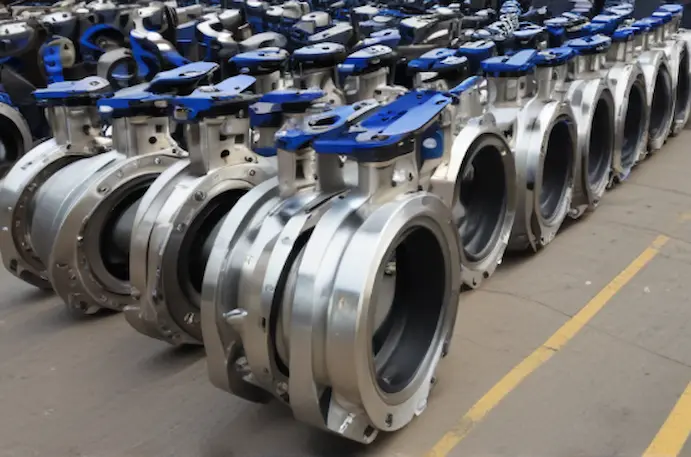
Our stainless steel butterfly valve is more than just a material upgrade—it is a strategic choice for performance, safety, and automation readiness. From hygienic production lines to corrosive industrial services, stainless steel delivers unmatched reliability.
Vcore Valve designs and manufactures stainless steel butterfly valves that meet international standards and real-world operating demands.
👉 Contact Vcore Valve today for expert valve selection and customised solutions.
FAQs
What are stainless steel butterfly valves used for?
They are used for flow control in corrosive, hygienic, and automated systems.
Are stainless steel butterfly valves suitable for automation?
Yes, they work efficiently with pneumatic and electric actuators.
What industries commonly use these valves?
Chemical, food & beverage, water treatment, pharmaceutical, and energy sectors.
How long do stainless steel butterfly valves last?
With proper selection, they offer long service life and low maintenance.
Do stainless steel valves cost more?
Initial cost is higher, but lifecycle cost is significantly lower.
Does Vcore Valve provide customised solutions?
Yes, Vcore Valve offers tailored designs for specific applications.
References
-
ASME B16.34 – Valves: Flanged, Threaded, and Welding End
-
ISO 5211 – Actuator Mounting Standards
-
API 609 – Butterfly Valve Standard
-
Valve Manufacturers Association (VMA) Technical Papers
-
International Society of Automation (ISA) Guidelines
-
Stainless Steel Material Standards (ASTM A351)