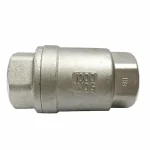
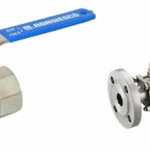
Quick Overview
Installing steam traps properly is crucial for the efficiency of any steam system. Incorrect installation can lead to energy wastage, equipment damage, and unnecessary operational costs. In this article, we will discuss essential tips for installing steam traps, common mistakes to avoid, and the key factors that contribute to maintaining optimal steam system performance.
Introduction: Why Proper Steam Trap Installation is Crucial
Steam systems are widely used in various industries, from power generation to manufacturing. Steam traps are integral to maintaining the efficiency of these systems, as they are responsible for removing condensate and non-condensable gases from the system. When steam traps are installed correctly, they help to maintain pressure levels, ensure effective energy use, and extend the life of the system.
However, improper installation of steam traps can lead to a variety of issues, including water hammer, system inefficiencies, and unnecessary energy loss. This article will guide you through the key tips and best practices for installing steam traps, ensuring that your steam system remains efficient and functional.
User Pain Points: Why Steam Trap Installation Matters
1. Energy Waste
Improperly installed or malfunctioning steam traps can result in steam loss, causing energy inefficiency and higher operating costs. This not only affects the environment but also increases operational expenses.
2. System Breakdown and Damage
Steam traps that are not correctly installed can lead to water hammer, corrosion, and damage to critical system components. These issues can result in costly repairs and unscheduled downtime.
3. Reduced Operational Efficiency
If steam traps are poorly installed or maintained, they can fail to perform optimally, leading to inadequate condensate removal. This reduces the overall efficiency of the steam system and affects the production process.
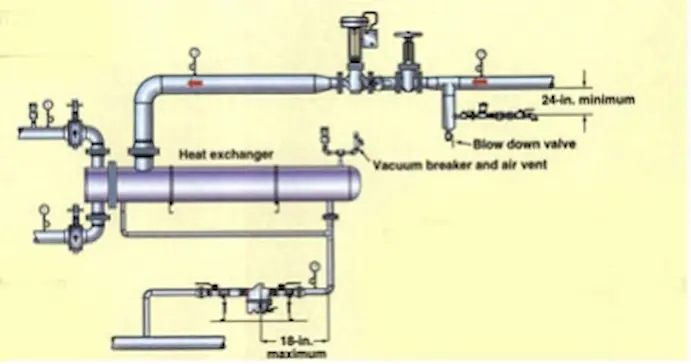
Solutions: Key Tips for Installing Steam Traps Correctly
1. Choose the Right Type of Steam Trap
Before installation, it’s crucial to select the right type of steam trap for your specific application. Different types of steam traps, such as float, thermostatic, and impulse traps, are suitable for different conditions. The selection should be based on factors such as pressure, temperature, and the characteristics of the condensate.
2. Install the Trap at the Correct Angle
The steam trap should be installed in the correct orientation to ensure proper condensate removal. Most steam traps need to be installed with a slight inclination, allowing gravity to assist in the flow of condensate. The trap’s outlet should face downward to ensure efficient drainage.
3. Ensure Proper Sizing
The steam trap must be appropriately sized to handle the volume of condensate produced in the system. Oversized or undersized traps can either cause unnecessary energy consumption or fail to adequately remove condensate, leading to operational inefficiencies.
Case Study: Successful Steam Trap Installation in a Manufacturing Facility
In a large manufacturing facility, the plant was experiencing inefficiencies in its steam system, leading to increased energy consumption and frequent equipment malfunctions. The problem was traced back to improper steam trap installation. The existing traps were incorrectly sized, leading to condensate build-up and a loss of steam.
By following a thorough inspection and replacing the faulty traps with appropriately sized and properly installed models, the facility saw a 15% reduction in energy costs and a significant decrease in system downtime. Regular maintenance and checks were put in place to ensure that the traps continued to function optimally.
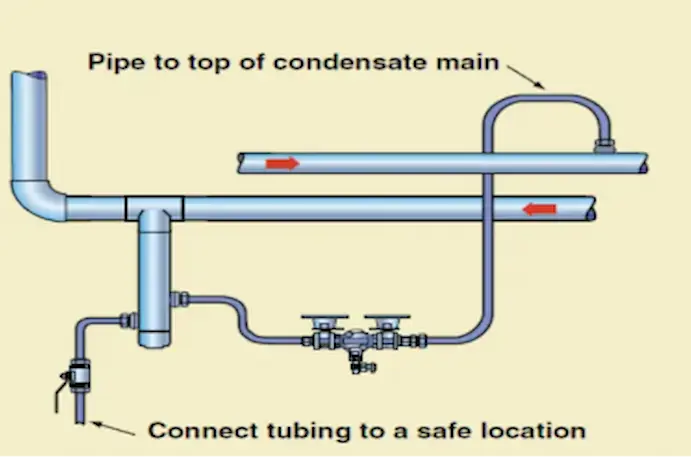
Data Comparison: Steam Trap Types and Their Applications
Here’s a comparison of the most common types of steam traps and their ideal uses:
| Type of Steam Trap | Ideal Application | Advantages |
|---|---|---|
| Float Steam Trap | Applications with high condensate load (e.g., heat exchangers) | High capacity, reliable in varied conditions |
| Thermostatic Steam Trap | Suitable for low to medium pressure steam systems | Effective in removing condensate at varying temperatures |
| Impulse Steam Trap | For systems where fluctuating steam pressures are present | Suitable for high-pressure applications, minimal maintenance |
Each steam trap type offers unique advantages depending on the steam system’s requirements. Proper selection ensures optimal operation and avoids system inefficiencies.
Trends Insights: The Growing Need for Efficient Steam Systems
The demand for energy-efficient systems in the industrial sector has prompted a growing interest in advanced steam traps. As industries seek to reduce costs and environmental impact, efficient condensate removal is becoming a priority. Manufacturers are investing in more reliable steam trap technology that is easier to maintain and monitor.
Additionally, digital technologies such as smart sensors and IoT (Internet of Things) are now being integrated into steam systems for real-time monitoring and analysis. These advancements are making it easier to identify problems, perform predictive maintenance, and optimise steam trap performance.
Style Suggestions for Steam Trap Installation
-
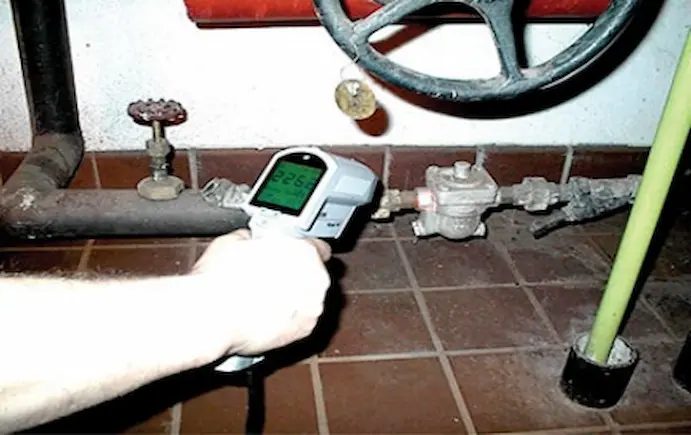
Regular Inspection: It’s essential to perform regular checks on steam traps to ensure they are operating as intended. Schedule periodic maintenance to detect early signs of malfunction, which can help you avoid major issues.
-
Environmental Considerations: Ensure that your steam traps are compatible with the specific environmental conditions in your facility. Temperature extremes, chemical exposure, and pressure fluctuations all play a role in how well the trap performs.
-
Employee Training: Ensure that employees are trained in the correct installation and maintenance practices for steam traps. Proper knowledge can prevent costly mistakes and ensure system reliability.
Conclusion: Optimise Your Steam System with Proper Steam Trap Installation
Installing steam traps correctly is essential for maintaining the efficiency, safety, and longevity of steam systems. By following best practices such as selecting the right trap, installing it at the correct angle, and performing routine maintenance, you can avoid costly repairs and improve overall system performance.
At Vcore Valve, we provide high-quality steam traps designed for reliability and performance. Our team can assist you in selecting the ideal steam trap for your application and provide expert advice on installation and maintenance. Don’t let poor steam trap installation affect your system—contact us today for more information on how we can help you optimise your steam operations.
FAQs
1. What are the most common types of steam traps?
The most common types of steam traps are float, thermostatic, and impulse steam traps. Each is suited to different types of steam systems depending on pressure, temperature, and condensate load.
2. How do I know if my steam trap is installed correctly?
Signs that a steam trap is improperly installed include frequent system malfunctions, loss of steam, water hammer, and energy inefficiencies. Regular inspections can help detect installation issues early.
3. How can steam trap installation affect energy efficiency?
Incorrect installation can cause steam loss, inefficient condensate removal, and system malfunctions, leading to higher energy consumption and operating costs.
4. Why is regular maintenance of steam traps necessary?
Regular maintenance ensures that steam traps continue to function efficiently, preventing leaks, blockages, and system breakdowns that could lead to costly repairs and energy wastage.
5. How often should I inspect my steam traps?
It is recommended to inspect steam traps at least every 6 months. However, in high-demand systems, more frequent inspections may be necessary to maintain optimal performance.
References
-
Steam Trap Installation Best Practices