
Angle Valve vs Gate Valve: Differences & Applications
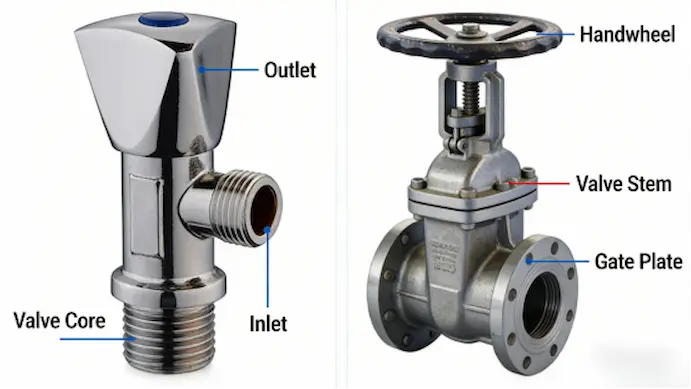
Compare angle valves and gate valves by flow path, installation space, pressure drop, operating frequency, and application. Angle valves redirect flow by 90 degrees and provide compact local shutoff for plumbing fixtures, branch lines, and confined spaces, while gate valves provide straight-through, low-resistance isolation for main water and industrial pipelines.
What Is a 1/4 Turn Ceramic Disc Angle Valve?
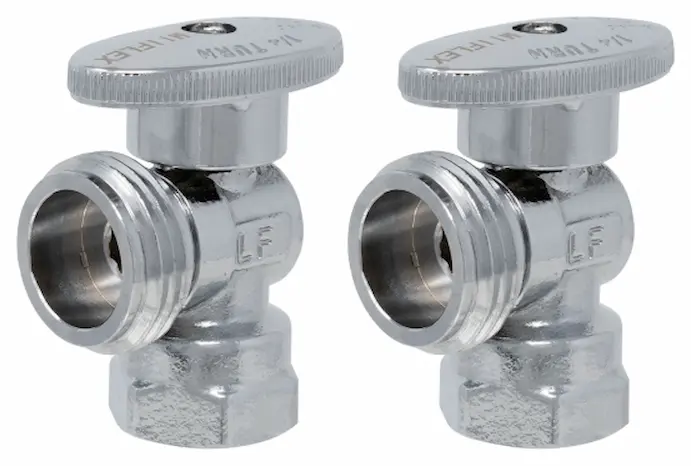
Learn how a 1/4 turn ceramic disc angle valve works as a compact fixture shutoff valve for sinks, toilets, faucets, and light commercial plumbing systems. The guide explains quarter-turn operation, ceramic disc sealing, brass and stainless steel body options, PEX, copper, threaded, compression, and push-fit connections, pressure-rating checks, potable-water material requirements, installation limitations, and when to replace a leaking or hard-to-operate angle valve.
What is an Angle Valve Used For? | Applications & Benefits Explained
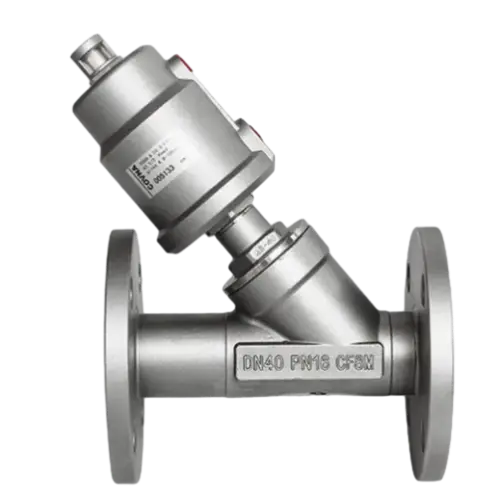
Quick Summary Angle valves are versatile components used in fluid control systems to regulate flow direction at a 90-degree angle. They’re commonly used in industries like plumbing, HVAC, and manufacturing due to their unique ability to direct flow efficiently and save space in confined systems. Angle Valves: Essential Components for Fluid Control Imagine a factory […]