
Understanding the Valve Arrow on Butterfly Valve Bodies
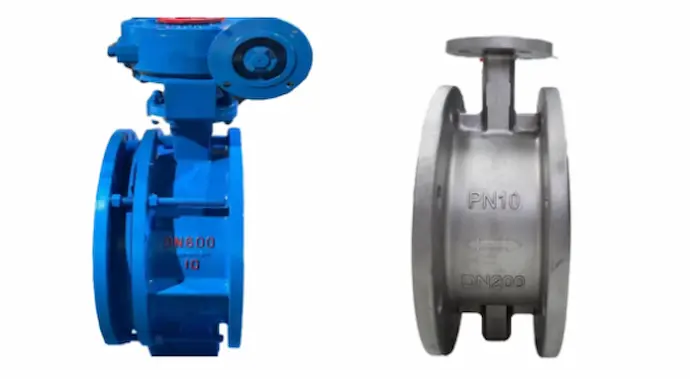
Learn what the arrow marked on a butterfly valve body or nameplate may indicate and why it must be checked before installation. The guide explains flow direction, preferred pressure orientation, manufacturer markings, valve alignment, and installation practices that help maintain reliable sealing, correct operating torque, and longer valve service life.
How to Fix a Leaking Butterfly Valve: Causes, Inspection and Repair Guide
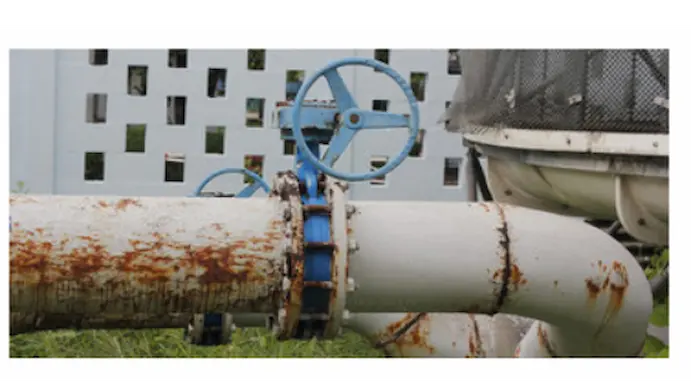
Learn how to troubleshoot and repair a leaking butterfly valve by identifying whether leakage comes from the seat, shaft, flange, body, or sealing surface. The guide explains common causes such as worn seats, damaged O-rings, misalignment, over-tightened flange bolts, material incompatibility, corrosion, and excessive pressure, while outlining safe isolation, inspection, repair, replacement, and preventive maintenance steps.
5 Common Lug Butterfly Valve Installation Mistakes and How to Avoid Them
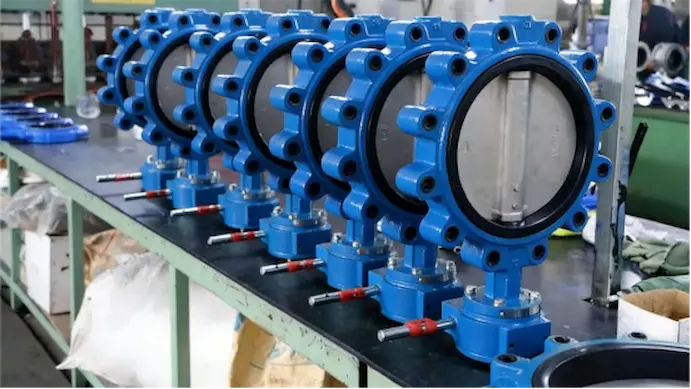
Learn the most common lug butterfly valve installation mistakes and how to avoid leakage, seat damage, excessive operating torque, flange misalignment, uneven bolt loading, piping stress, and end-of-line service problems. This guide explains correct disc position during installation, flange inspection, cross-bolt tightening, controlled torque, pipeline alignment, pressure-rating limits, manufacturer instructions, and commissioning checks for lug-type butterfly valves in industrial piping systems.