
Electric Ball Valves in Chemical Plants: Automation, Safety and Flow Control
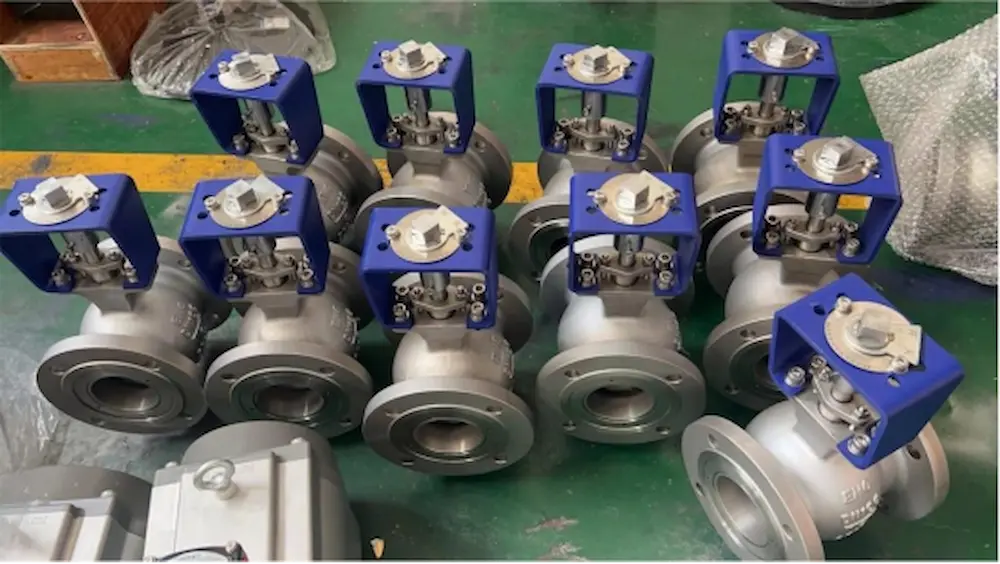
Learn how to choose electric ball valves for chemical plants by valve material, actuator torque, control signal, safety, corrosion resistance, and flow control needs.
Brass Valves vs Bronze Valves: Key Differences
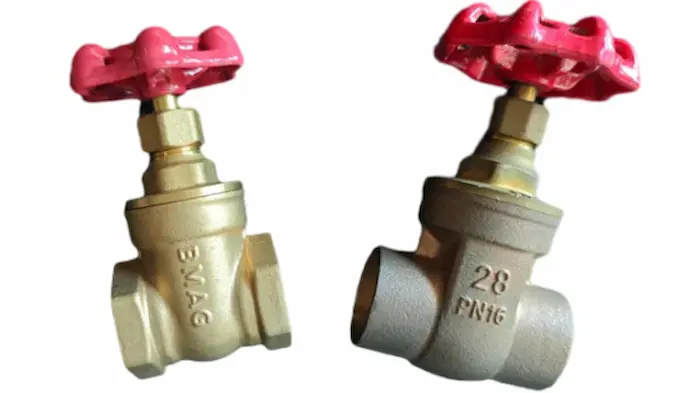
Compare brass and bronze valves by material composition, corrosion resistance, strength, cost, and typical applications. Brass valves are commonly selected for general water, air, and HVAC systems, while bronze valves offer better durability in seawater, marine, and more corrosive operating environments.
Slip Ball Valve vs Ball Valve: Key Differences
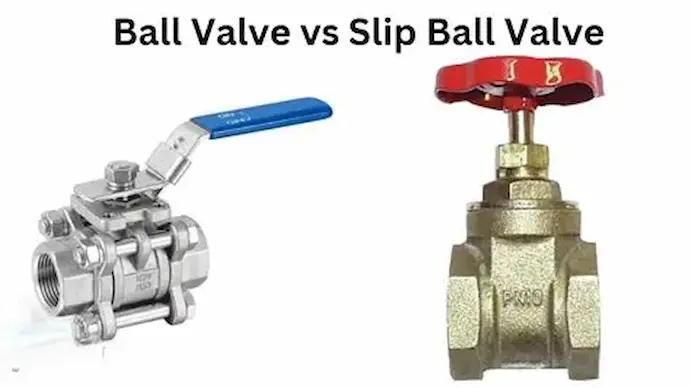
Compare slip ball valves and conventional ball valves by flow-control method, sealing performance, pressure capability, maintenance, and application. Slip ball valves are designed for adjustable flow regulation, while standard ball valves provide reliable full-open or full-closed isolation for water, gas, oil, and industrial pipelines.
Fireproof & Anti-Static D-Ball Valves: Ensuring Industrial Safety
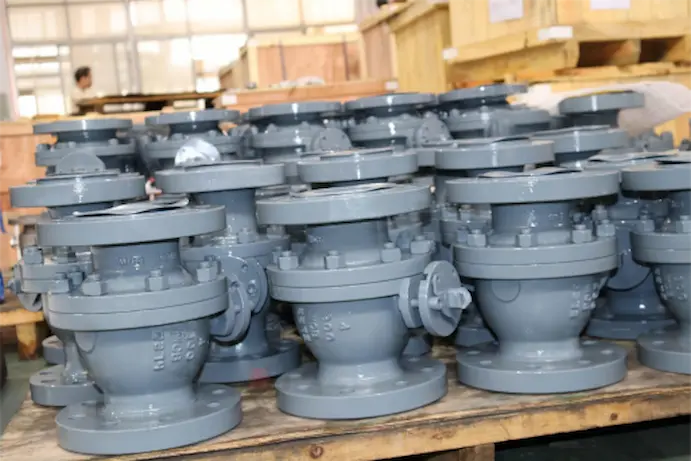
Learn how fire-safe and anti-static D-ball valves reduce ignition, fire, and explosion risks in systems handling flammable liquids and gases. The guide explains their fire-resistant sealing, static-charge dissipation, operating benefits, selection considerations, and applications in oil and gas, petrochemical, refinery, chemical-processing, and offshore systems.
How PVC Valves Perform in Low-Pressure and Chemical Applications
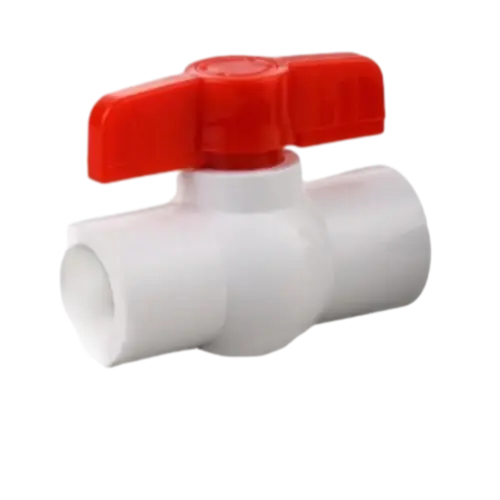
Quick Summary PVC valves are widely used in low-pressure systems and chemical applications due to their durability, chemical resistance, and cost-effectiveness. In this article, we explore how PVC valves perform under these conditions and why they are the preferred choice in many industrial settings. Imagine a chemical processing plant where fluids need to flow through […]