
Intergranular Corrosion: What It Is and How to Prevent It
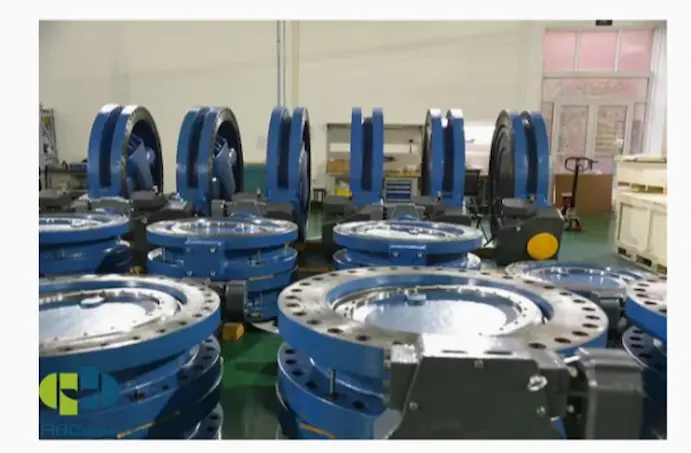
Learn what intergranular corrosion is, why it occurs along metal grain boundaries, and how it can weaken stainless steel valves used in chemical, high-temperature, oil and gas, water treatment, and industrial process systems. This guide explains stainless steel sensitization, chromium carbide precipitation, weld heat-affected zones, low-carbon stainless steel, stabilized grades, nickel alloys, passivation, coating limitations, inspection methods, and material selection practices for reducing intergranular corrosion risk in industrial valves.
Basic Knowledge and Measures for Valve Corrosion Prevention
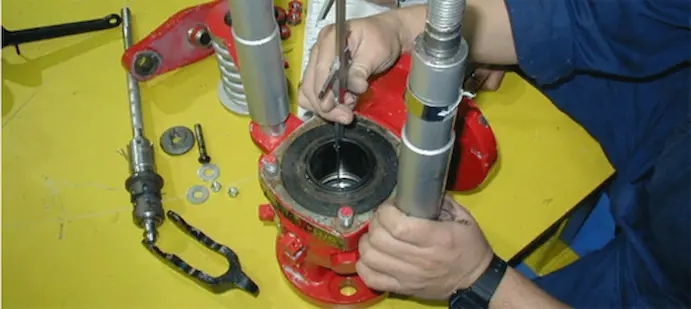
Learn what causes corrosion in industrial valves and how it can lead to leakage, reduced sealing performance, structural damage, and premature valve failure. The guide explains practical prevention measures, including service-compatible material selection, protective coatings, routine inspection, moisture control, and timely maintenance for water, chemical, gas, and corrosive process systems.
What is Valve Body Galvanizing?
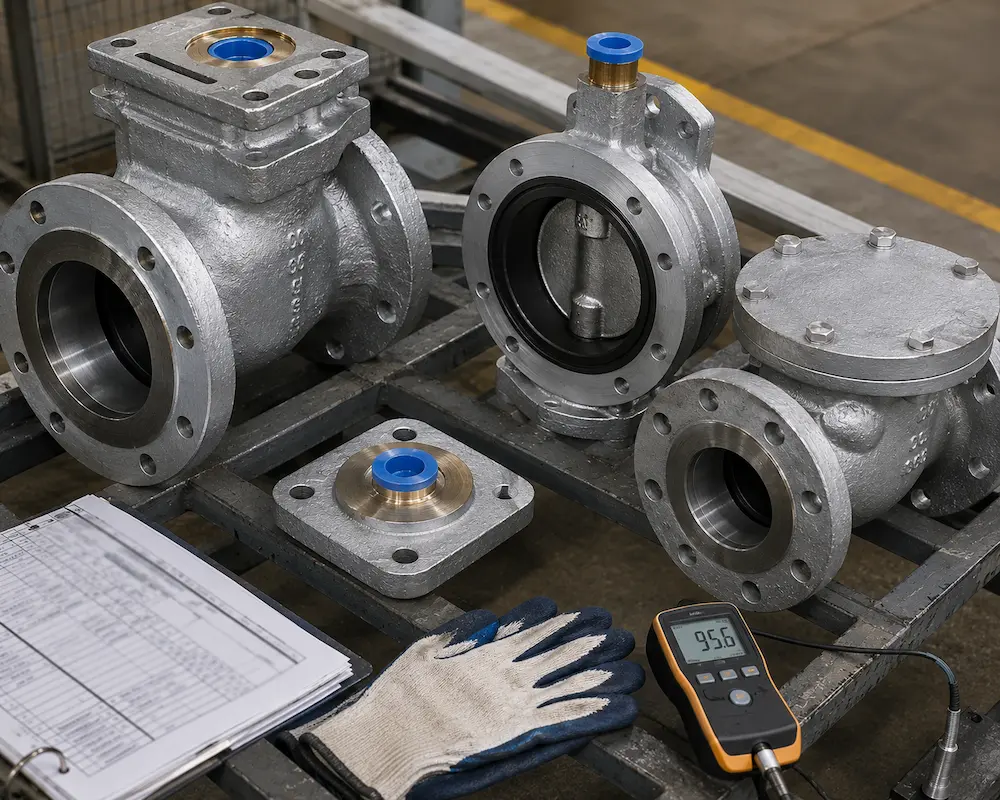
Learn how valve body galvanizing applies a protective zinc coating to suitable iron or steel components to improve resistance to atmospheric moisture and corrosion. The guide explains the protection mechanism, applicable materials and standards, coating limitations, inspection requirements, and key factors for determining whether galvanizing is suitable for a specific valve and operating environment.