
Ball Valve vs Gate Valve vs Globe Valve: Which One Should Industrial Buyers Choose?
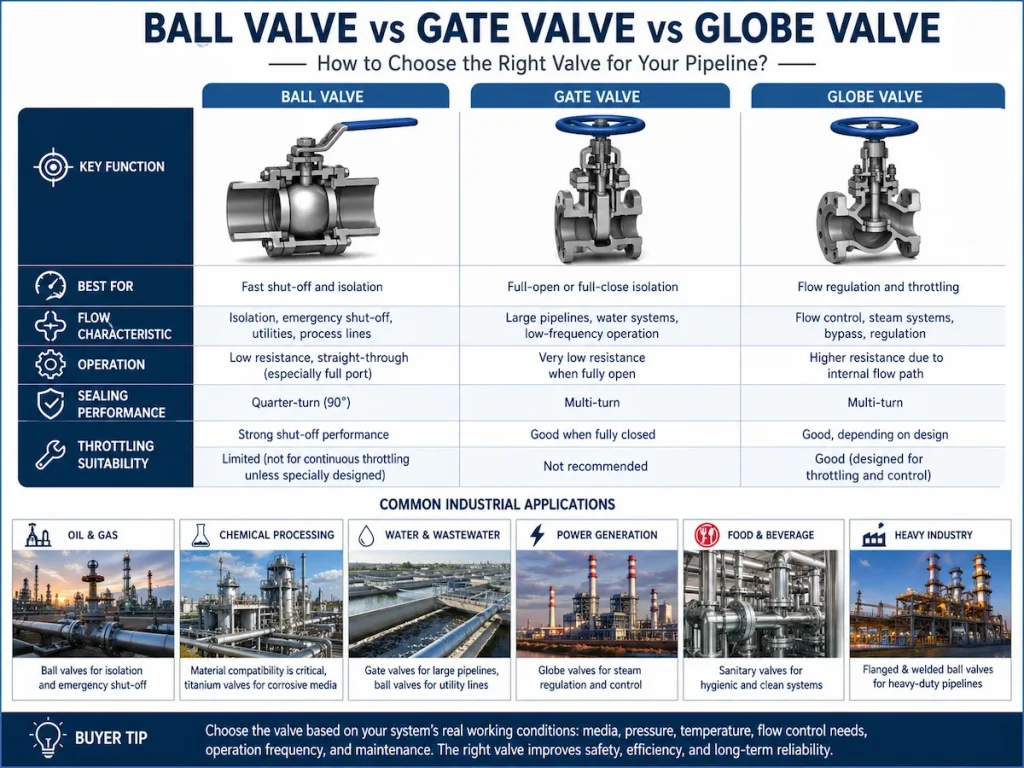
Quick Summary: A ball valve is usually the better choice for fast shut-off, reliable sealing, and low-pressure-loss pipeline isolation, while a gate valve works well for full-open or full-close large pipeline service, and a globe valve is better for flow regulation. For industrial buyers, the right choice depends on flow control needs, pressure drop limits, […]
The Purpose of Bypass Valve: Functions and Applications
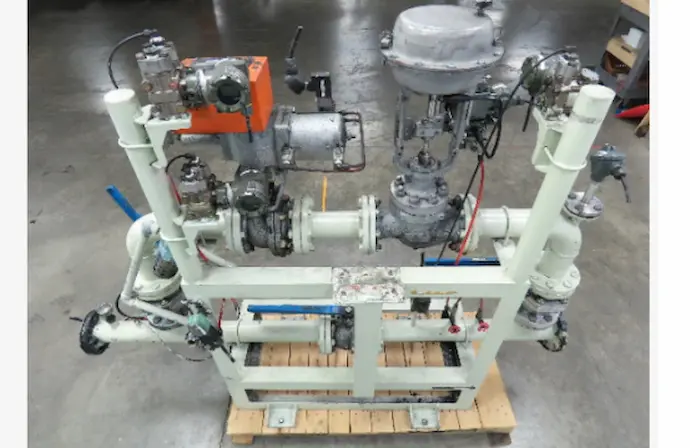
Quick Overview A bypass valve is an essential component in various industrial systems, designed to regulate flow and protect the main system from damage. By providing an alternate path for fluids, it allows for maintenance, pressure control, and the efficient operation of complex pipelines. This guide from Vcore Valve explains the key functions, applications, and […]
Butterfly Valve Disc Material Selection Guide
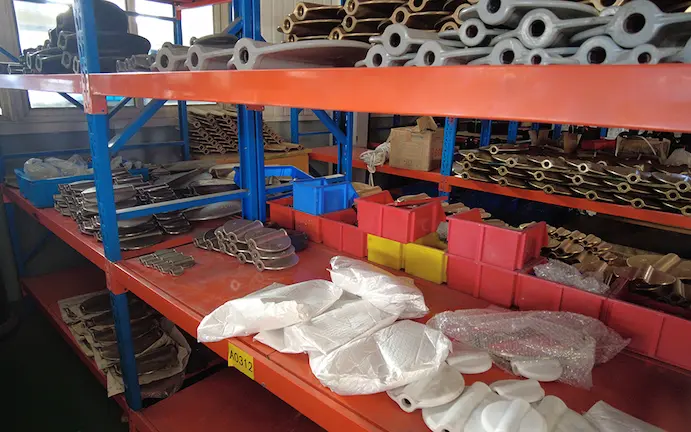
Compare common butterfly valve disc materials—including epoxy-coated ductile iron, stainless steel, aluminum bronze, and coated discs—by corrosion resistance, mechanical strength, operating torque, temperature capability, cost, and media compatibility. Epoxy-coated ductile iron suits water and HVAC systems, stainless steel is preferred for chemical and hygienic service, and aluminum bronze provides strong seawater resistance for marine and offshore applications
Gear Operated Butterfly Valve: Design & Applications
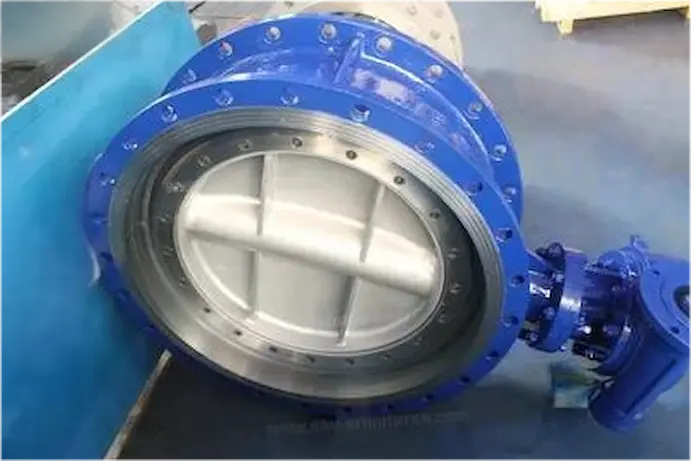
Quick Overview Our gear operated butterfly valve is a manually operated flow control solution designed for pipelines where valve size, pressure, or torque requirements exceed the limits of a simple hand lever. By using a worm gear mechanism, these valves allow smooth, precise operation with minimal effort. At Vcore Valve, gear operated butterfly valves are […]
Pneumatic Butterfly Valve: Actuator Types, Applications and Selection Guide

Learn how pneumatic butterfly valves combine a quarter-turn butterfly valve with a compressed-air actuator for fast and repeatable automated operation. The guide explains double-acting and spring-return actuator options, wafer and lug valve body selection, actuator torque matching, positioner and limit-switch accessories, air-supply requirements, throttling limitations, and key configuration factors for water, HVAC, chemical, food, oil and gas, and industrial automation systems.
1/2 inch Mini Ball Valve: The Ultimate Guide for Compact, Reliable Flow Control
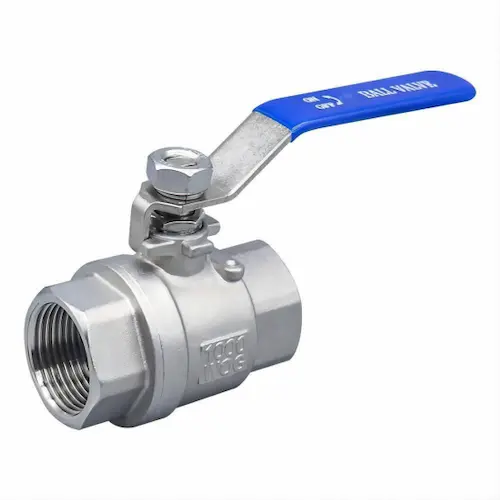
Quick Summary The 1/2 Inch Mini Ball Valve is a compact, quarter-turn shut-off valve designed for tight spaces in residential and light commercial pipework. Crafted from durable brass alloys like C37700 and CW617N, it offers corrosion resistance, a 150,000-cycle lifespan, and compatibility with water, oil, and gas. Its threaded BSP or NPT connections and dual-seal […]
V-Port Ball Valve: Advantages, Limits & Applications
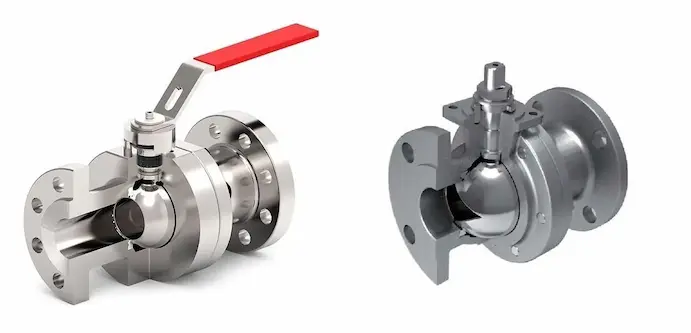
Learn how V-port ball valves provide better modulating control than standard on/off ball valves by using a V-shaped or segmented ball opening to create a more predictable flow characteristic. The guide explains key advantages, limitations, V-angle selection, actuator torque requirements, seat wear risks, cavitation and noise considerations, and when a dedicated globe control valve may still be required for precise or severe control service.
Angle Valve vs Gate Valve: Differences & Applications
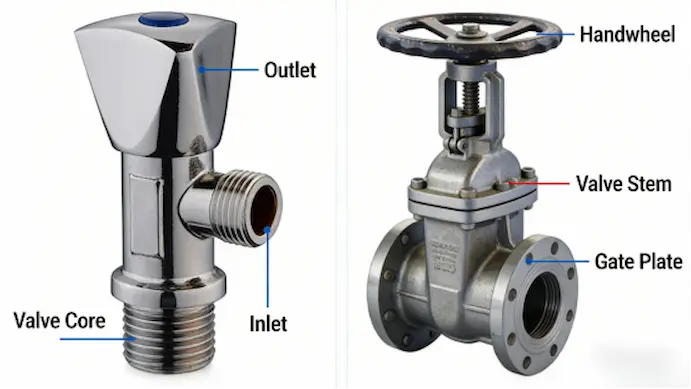
Compare angle valves and gate valves by flow path, installation space, pressure drop, operating frequency, and application. Angle valves redirect flow by 90 degrees and provide compact local shutoff for plumbing fixtures, branch lines, and confined spaces, while gate valves provide straight-through, low-resistance isolation for main water and industrial pipelines.
Globe Valves vs Gate Valves: Differences & Applications
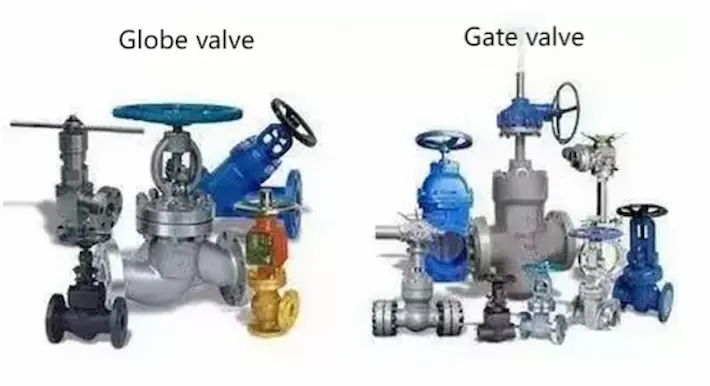
Compare globe valves and gate valves by flow path, throttling performance, pressure loss, operating frequency, sealing, and application. Globe valves provide accurate flow regulation and frequent operation for steam, fuel, and process-control lines, while gate valves offer straight-through flow and minimal pressure loss for full-open or full-closed isolation in water, fire-protection, and transmission pipelines.
How Does a 3-Way Ball Valve Work?
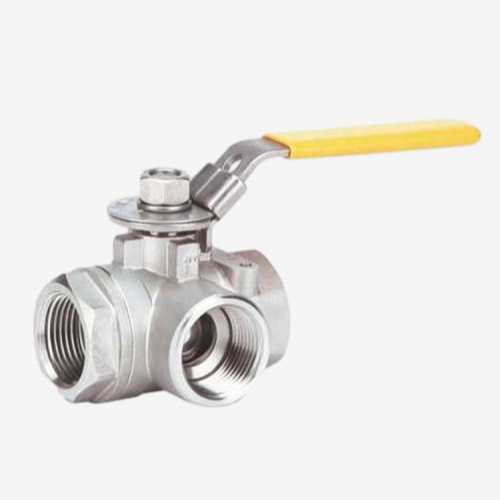
Learn how a 3-way ball valve works, including L-port vs T-port flow positions, diverting, mixing, shutoff limitations and what buyers should confirm before ordering.