Quick Overview
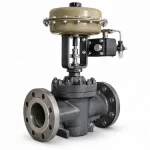
A bypass valve is an essential component in various industrial systems, designed to regulate flow and protect the main system from damage. By providing an alternate path for fluids, it allows for maintenance, pressure control, and the efficient operation of complex pipelines. This guide from Vcore Valve explains the key functions, applications, and benefits of bypass valves in industrial systems.
Opening Scenario
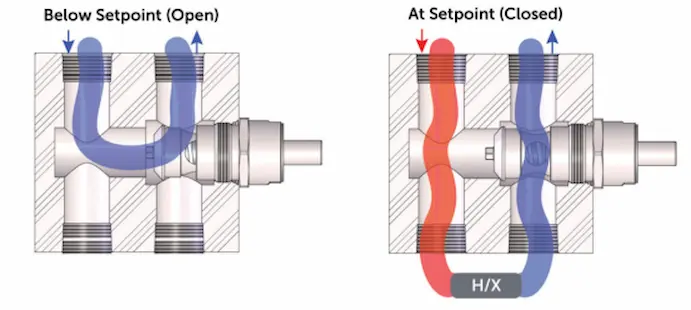
Imagine a large industrial plant with a series of pumps operating at full capacity. If one of the pumps fails or requires maintenance, shutting down the entire system could result in significant downtime and financial loss. This is where the bypass valve comes in. Installed in parallel with the primary flow path, a bypass valve ensures that the fluid can continue to circulate, keeping the system operational even when parts need servicing.
In industries such as oil and gas, water treatment, and power generation, bypass valves are indispensable for maintaining smooth operations and avoiding costly interruptions.
Pain Points
Engineers often face several challenges when designing systems that require bypass valves. Here are the most common pain points:
1. Unreliable flow control
Without a properly installed bypass valve, there can be difficulties maintaining consistent flow in the system, especially when the primary valve is closed for maintenance or repair.
2. System overpressurisation
In systems without a bypass valve, the failure of a primary valve can lead to a dangerous build-up of pressure, risking damage to pipes, pumps, and other critical components.
3. Increased downtime
Without a bypass valve, routine maintenance or repairs can result in the entire system being shut down, leading to long operational delays and costly downtime.
Solutions
To mitigate these challenges, engineers must focus on the following strategies:
1. Install a bypass valve for continuous flow
By installing a bypass valve, engineers can maintain fluid flow even when the primary valve needs to be closed for maintenance or repair. This ensures that the system remains operational and that operations continue without interruption.
2. Use pressure-relief bypass systems
A bypass valve with integrated pressure relief capabilities helps prevent excessive pressure build-up, protecting the system from potential damage due to overpressurisation.
3. Plan regular maintenance cycles
To reduce downtime, design systems with bypass valves that allow quick and easy access to the main components for maintenance, minimising disruption to overall operations.
At Vcore Valve, we offer high-quality bypass valve systems that ensure smooth flow, pressure control, and long-term system reliability.
Case Study
A chemical processing plant faced significant issues with maintaining fluid flow through its filtration system. The plant’s filtration system required frequent maintenance, but shutting down the entire system for repairs was costly and inefficient.
By installing a bypass valve in the filtration system, the plant was able to maintain flow while servicing the filters, reducing downtime by 50% and significantly cutting repair costs.
This case highlights the importance of bypass valves in maintaining system efficiency and preventing costly shutdowns in industries where continuous operation is critical.
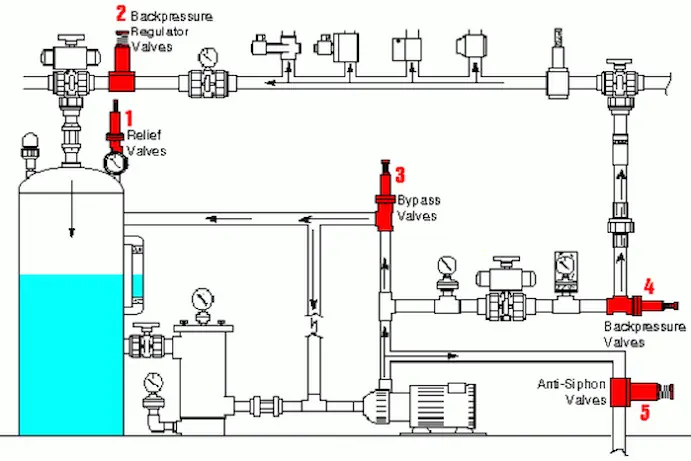
Data Analysis-Bypass Valve
| Factor | Impact of Bypass Valve |
|---|---|
| System downtime | Significant reduction in downtime due to continuous flow |
| Pressure control | Helps maintain consistent pressure, reducing damage risks |
| Maintenance efficiency | Enables quick servicing without shutting down the whole system |
| Installation cost | Initial costs may increase, but overall cost savings on repairs and downtime are substantial |
| Fluid flow rate | Ensures steady flow, even during maintenance or component failure |
Data shows that using a bypass valve can reduce overall system downtime by up to 60% and lower maintenance costs in high-demand systems.
Trends
The use of bypass valves is evolving in response to increasing demands for efficiency, safety, and operational continuity.
1. Advanced bypass valve designs
Manufacturers are developing bypass valves with integrated sensors and automation capabilities, enabling real-time monitoring and remote control of fluid flow and pressure.
2. Integration with digital control systems
Modern bypass valves are being integrated into digital control systems, allowing operators to manage flow and pressure remotely, improving system reliability and reducing human error.
3. Growing adoption in critical industries
The demand for bypass valves is increasing in industries such as power generation, petrochemical processing, and water treatment, where system reliability and continuous operation are paramount.
Usage Advice
When selecting a bypass valve for your system, consider the following factors:
1. Flow requirements
Ensure that the bypass valve you choose can handle the required flow rate without causing undue resistance or disruption.
2. Pressure and temperature limits
Always select a bypass valve that is rated to handle the pressures and temperatures within your system’s operating range.
3. Material compatibility
Choose materials that are resistant to corrosion and other environmental factors, ensuring the bypass valve remains durable and reliable over time.
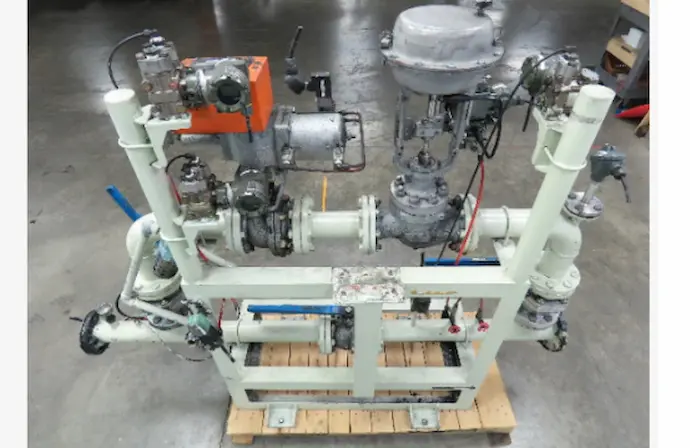
At Vcore Valve, we offer a wide range of bypass valves suitable for different industrial applications, from high-pressure systems to corrosive environments.For more details on selecting the right valves for your system, check out our Gate Valve options
Conclusion
The bypass valve is a vital component for ensuring the smooth operation of industrial systems, allowing for continuous flow and system pressure control even when the primary valve is closed. By using a bypass valve, industries can avoid costly downtime, enhance system safety, and improve maintenance efficiency.
At Vcore Valve, we provide advanced bypass valve solutions that meet the specific needs of industries requiring reliable, continuous operation. Whether you’re in power generation, water treatment, or chemical processing, our bypass valves are designed to enhance your system’s performance and longevity.
FAQs
What is the purpose of a bypass valve?
A bypass valve allows fluid to bypass the main system during maintenance or repair, ensuring continuous operation and preventing pressure build-up.
Where are bypass valves used?
Bypass valves are commonly used in industries such as oil and gas, water treatment, power generation, and chemical processing.
How does a bypass valve work?
A bypass valve is installed in parallel with the main valve. It allows fluid to flow through an alternate path when the primary valve is closed or during maintenance.
Can a bypass valve reduce pressure in the system?
Yes, many bypass valves come with integrated pressure relief features, helping to prevent overpressurisation.
What are the benefits of installing a bypass valve?
The benefits include reduced downtime, continuous fluid flow, and enhanced safety during maintenance activities.
How often should bypass valves be serviced?
Bypass valves should be inspected and serviced regularly to ensure smooth operation, particularly in high-pressure systems.
Reference
-
American Petroleum Institute – Valve Standards
-
ASME Pressure Relief Valve Design Guidelines
-
Engineering Toolbox – Bypass Valve Engineering