
Trunnion Ball Valve Design: Seats, DBB & Selection
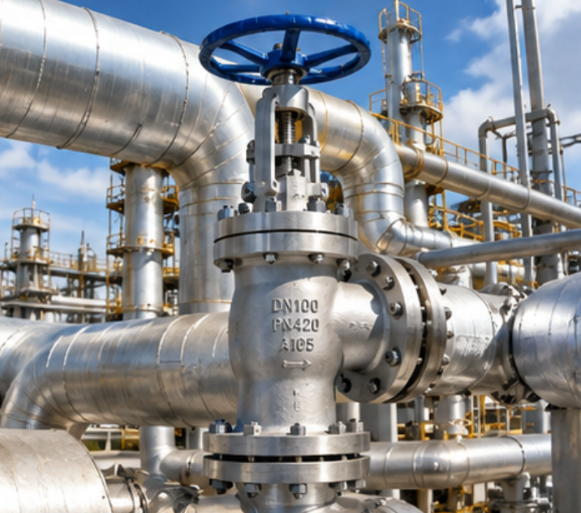
Trunnion Ball Valve Design Guide: Seats, DBB, Cavity Relief, Torque and Pipeline Selection A trunnion mounted ball valve is a quarter-turn isolation valve in which the ball is mechanically supported rather than allowed to move freely between the seats. That fixed-ball arrangement changes how pressure loads are carried, how the seats create sealing force, how […]
Trunnion Ball Valve Design Guide: Seats, DBB, Cavity Relief, Torque and Pipeline Selection
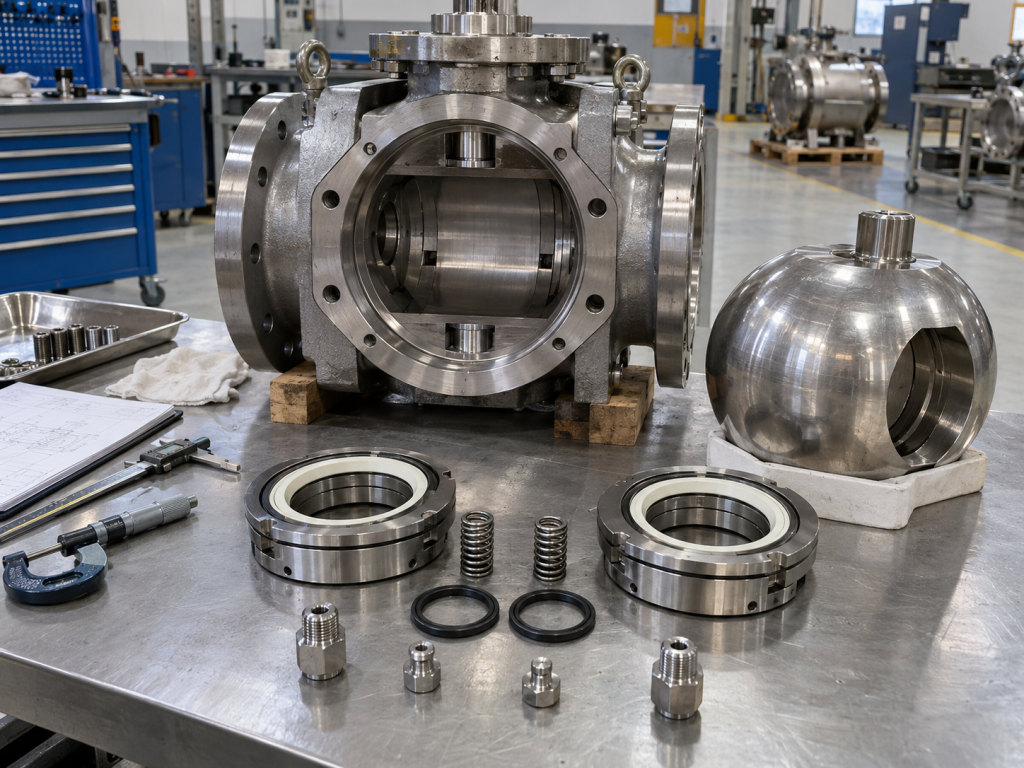
Trunnion Ball Valve Design Guide: Seats, DBB, Cavity Relief, Torque and Pipeline Selection A trunnion mounted ball valve is a quarter-turn isolation valve in which the ball is mechanically supported rather than allowed to move freely between the seats. That fixed-ball arrangement changes how pressure loads are carried, how the seats create sealing force, how […]
2PC vs 3PC Ball Valve: Key Differences & Which to Choose
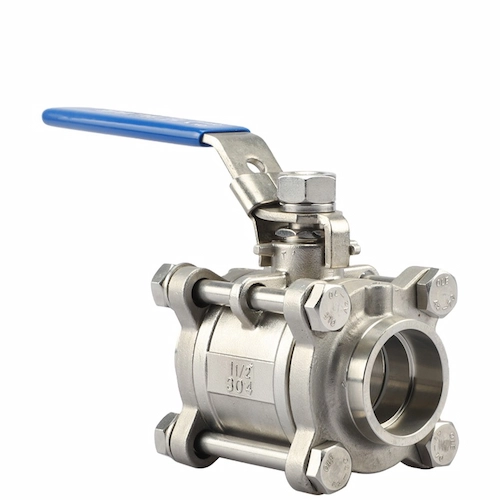
Compare 2-piece and 3-piece ball valves by body construction, maintenance access, installation space, cost, pressure capability, and application. Two-piece ball valves offer a compact and economical solution for general water, air, HVAC, and low-maintenance pipelines, while three-piece ball valves allow easier in-line servicing and component replacement for chemical, high-pressure, sanitary, and frequently maintained industrial systems.
How DBB and DIB Valves Work: Key Differences Explained
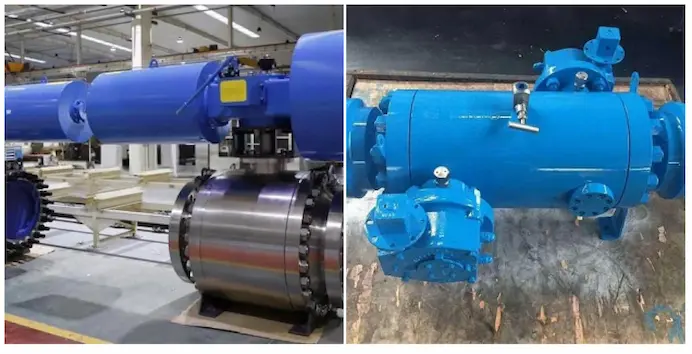
Learn how Double Block and Bleed (DBB) and Double Isolation and Bleed (DIB) valves provide two sealing barriers with a bleed cavity for safer pipeline isolation. DBB valves offer compact, verifiable isolation for standard pipeline and manifold applications, while DIB valves provide independent bidirectional sealing for hazardous, high-pressure, and other critical services.
Floating vs Trunnion Ball Valve: What’s the Difference?
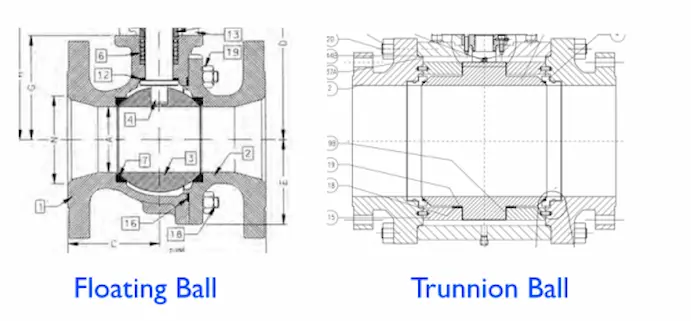
Compare floating and trunnion ball valves by structure, pressure capability, sealing principle, operating torque, size range, applications, cost, and buyer selection requirements.