
Control Valves: Should They Always Be In the Open Position?
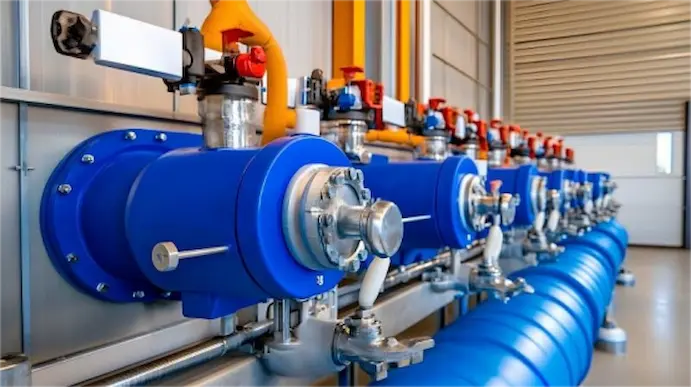
Quick Overview Control valves are integral components of industrial systems, used to regulate the flow, pressure, and temperature of fluids. One of the most common questions is whether control valves should always be in the open position. In this article, we’ll explore the ideal operating positions for control valves, their role in fluid control, and […]
Top 10 Valve Manufacturers in the World (2026 Guide)
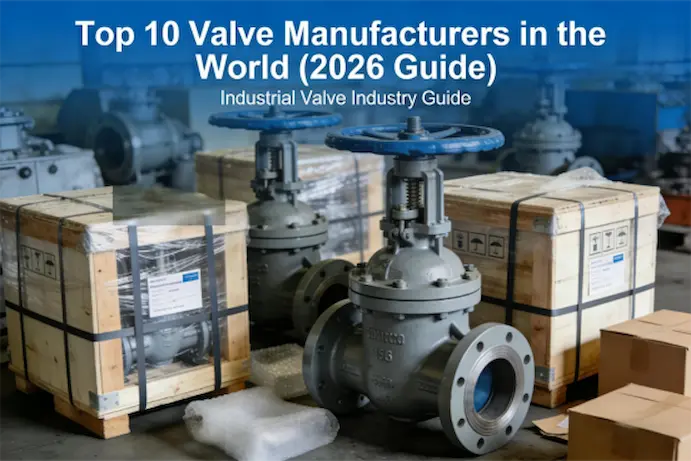
Explore ten leading valve manufacturers worldwide in 2026, comparing their countries, core products, engineering strengths, and industry applications. The guide covers manufacturers specializing in industrial pipeline valves, control and automation systems, severe-service equipment, high-pressure forged valves, and water infrastructure, while outlining key factors for supplier selection, including standards compliance, testing documentation, project experience, and export capability.
What is a Piggable Valve? Understanding Its Role in Pipeline Maintenance
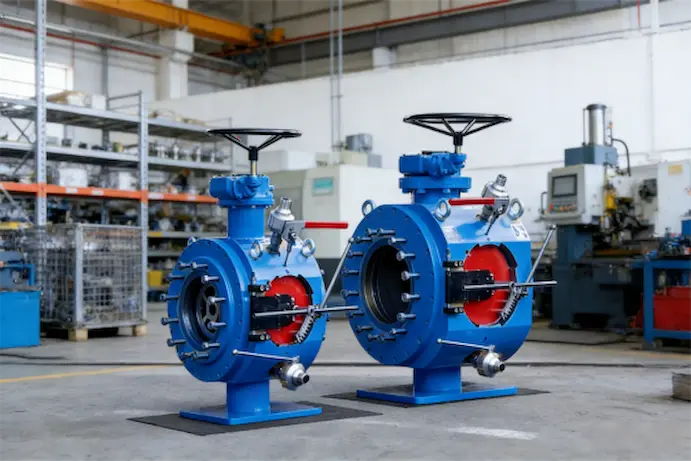
Learn what a piggable valve is and how its full-bore, unobstructed flow path allows cleaning, inspection, and batching pigs to pass safely through a pipeline. The guide explains how piggable valves support pipeline cleaning, corrosion inspection, blockage prevention, reduced downtime, and more efficient maintenance in oil, gas, chemical, and water systems.
Magnetic Particle Inspection (MPI) for Valve Quality Assurance: A Comprehensive Guide
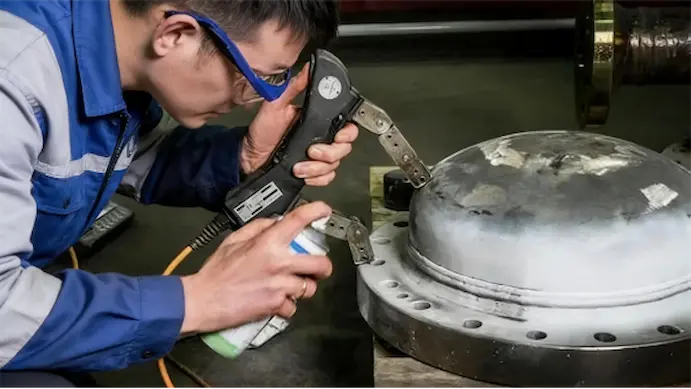
Learn how Magnetic Particle Inspection (MPI) detects surface and near-surface discontinuities in ferromagnetic valve components without damaging the parts. The guide explains the magnetisation, particle application, inspection, and demagnetisation process, while showing how MPI supports valve quality control, pressure integrity, operational safety, and early crack detection.
What Are Jacketed Valves? Applications and Benefits for Industrial Use
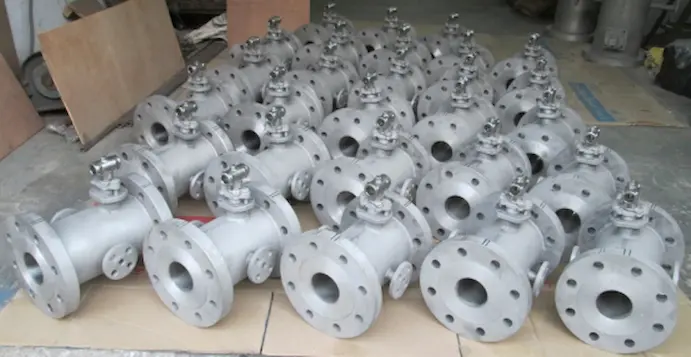
Learn how jacketed valves circulate steam, hot water, glycol, or another heat-transfer medium around the valve body to maintain process-fluid temperature and prevent solidification, crystallisation, and flow blockage. The guide explains their operating principle, key benefits, selection considerations, and applications in chemical processing, food production, pharmaceuticals, and other temperature-sensitive or high-viscosity services.
Non-Lubricated Plug Valve vs Lubricated Plug Valve: Which is Best for Your Application?
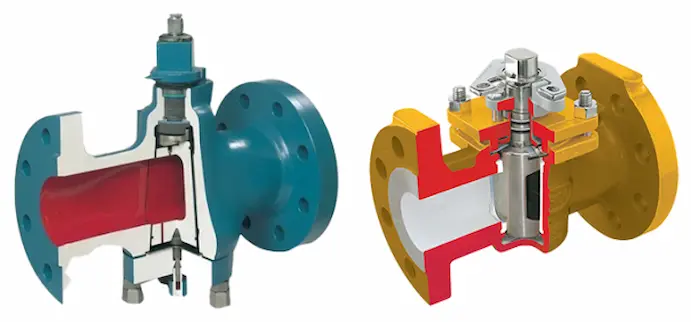
Compare non-lubricated and lubricated plug valves by sealing design, operating torque, pressure and temperature capability, maintenance, contamination risk, and application. Non-lubricated plug valves suit cleaner, low- to medium-pressure services where lubricant contamination is undesirable, while lubricated plug valves provide smoother operation and stronger sealing for demanding high-pressure and high-temperature industrial systems.
What Is the Difference Between a Fail-Close and Fail-Open Valve?
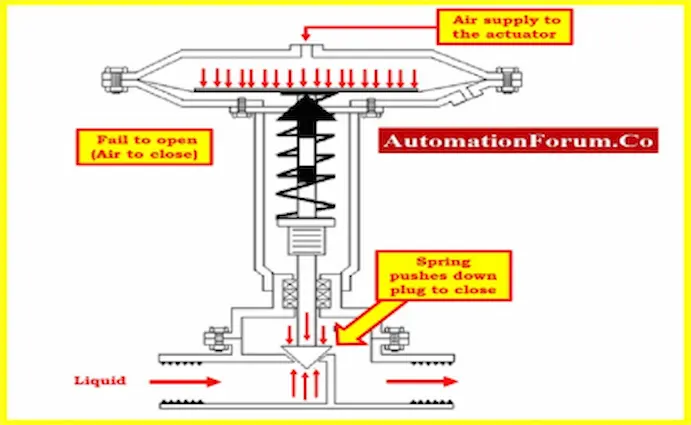
Compare fail-closed and fail-open valves by their response to loss of power, air supply, or control signal. The guide explains how fail-closed configurations stop potentially hazardous flow, while fail-open configurations maintain essential cooling, venting, or circulation, and outlines the safety, actuator, differential-pressure, and process requirements that determine the correct failure position.
A Complete Guide on Valve Installation: Butterfly Valve Bolt Chart and Best Practices
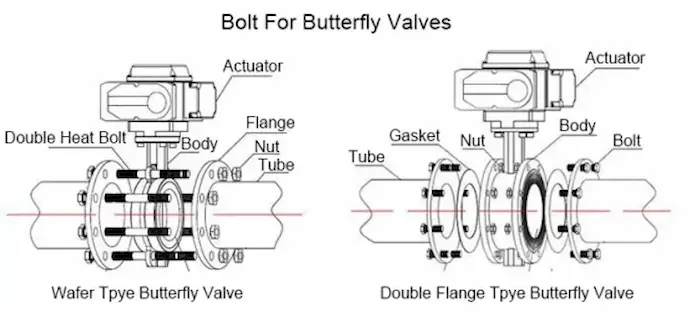
Learn the essential steps for correct butterfly valve installation, including valve sizing, flange alignment, bolt selection, controlled tightening, gasket and seat protection, and post-installation leak testing. The guide explains how proper installation practices help prevent leakage, flange damage, valve-body distortion, premature seal failure, and unnecessary maintenance.
Basic Knowledge and Measures for Valve Corrosion Prevention
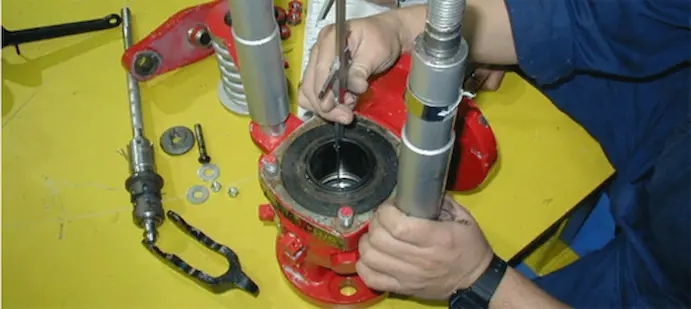
Learn what causes corrosion in industrial valves and how it can lead to leakage, reduced sealing performance, structural damage, and premature valve failure. The guide explains practical prevention measures, including service-compatible material selection, protective coatings, routine inspection, moisture control, and timely maintenance for water, chemical, gas, and corrosive process systems.
Lockable Ball Valves: Enhancing Industrial Safety and Control
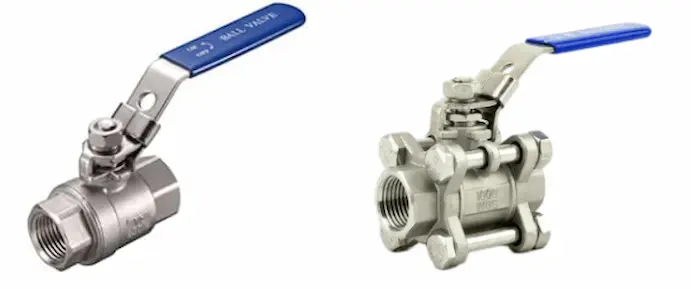
Learn how lockable ball valves help prevent unauthorized or accidental operation by securing the valve in an open or closed position. The guide explains their role in lockout/tagout procedures, maintenance isolation, hazardous-energy control, selection, inspection, and safe operation in industrial fluid and gas systems.
Long Pattern vs Short Pattern Ball Valve: Key Differences and Applications
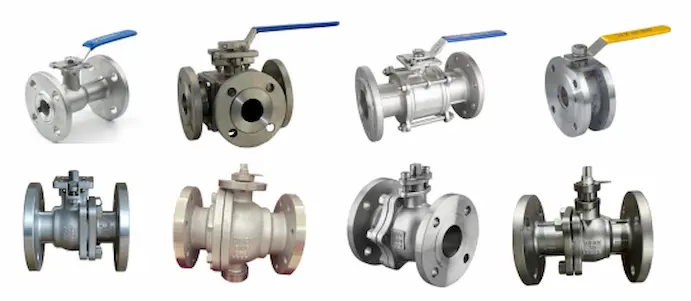
Compare long-pattern and short-pattern ball valves by face-to-face length, installation space, flow capacity, pressure suitability, cost, and application. Long-pattern valves offer a more robust body for demanding pipeline service, while short-pattern valves provide a compact, economical solution for space-limited water, HVAC, and general industrial systems.
EPDM Butterfly Valve Liners: Properties and Applications
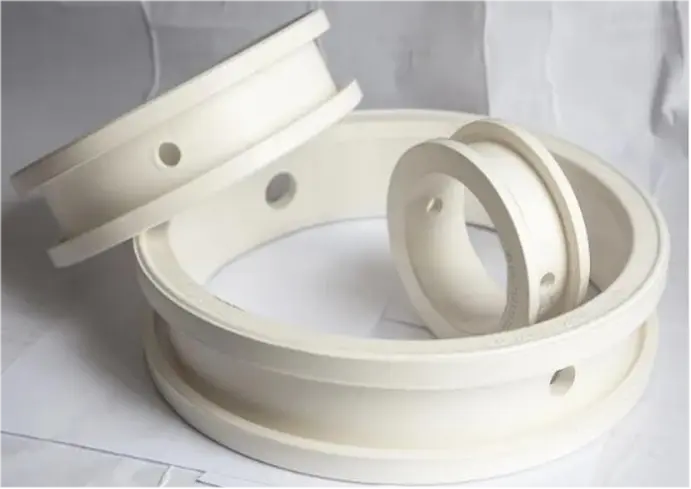
Explore the properties and applications of EPDM butterfly valve liners, including their sealing flexibility and resistance to water, steam, weathering, dilute acids, and alkaline solutions. The guide explains how fluid compatibility, operating temperature, pressure, compound formulation, and maintenance conditions affect liner selection and butterfly valve service life.