
Efficient Valve Selection to Minimise Downtime: Best Practices and Tips
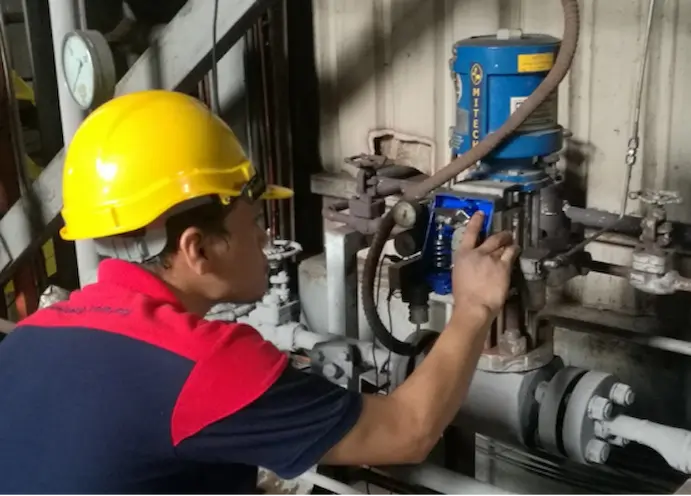
Learn how correct valve selection can reduce unplanned downtime, maintenance frequency, leakage, and premature equipment failure. The guide explains how fluid properties, pressure, temperature, flow rate, valve sizing, material compatibility, sealing performance, inspection, and preventive maintenance affect valve reliability and overall system efficiency.
Why Conventional Butterfly Valves May Be Unsuitable for Abrasive Dry Bulk Solids
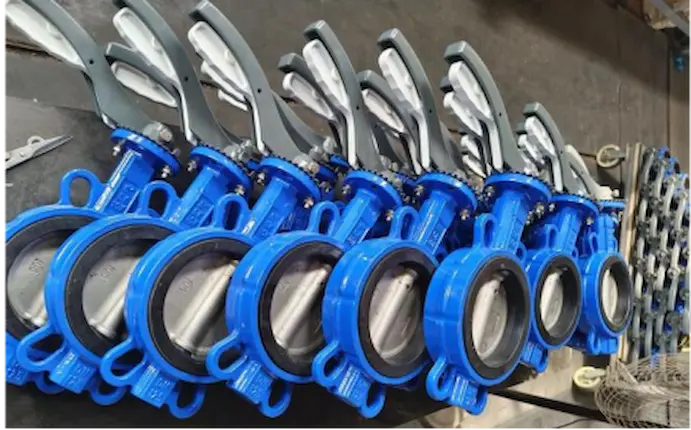
Learn why conventional butterfly valves may experience abrasion, particle packing, seat damage, flow restriction, and incomplete shutoff when handling dry powders and granular materials. The guide explains the limitations of standard butterfly valve designs and outlines key factors for selecting purpose-built bulk-solids valves, slide gates, rotary airlocks, or feeding equipment for cement, mining, food, and powder-processing systems.
What is the Difference Between Butterfly Valve and Butterfly Check Valve?
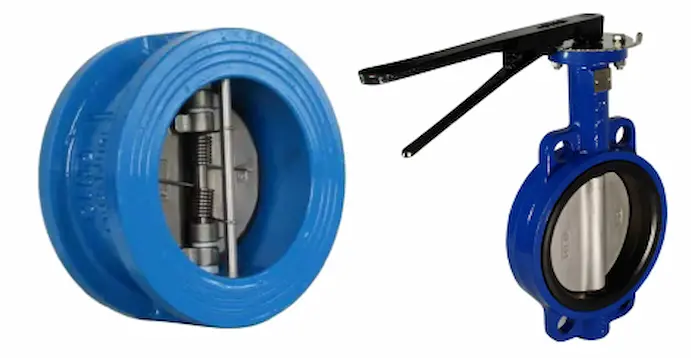
Compare butterfly valves and butterfly check valves by operating function, disc movement, flow direction, installation, maintenance, and application. Butterfly valves are manually or automatically operated for pipeline isolation and throttling, while butterfly check valves operate automatically to allow one-way flow and prevent reverse flow in water, cooling, HVAC, chemical, and industrial piping systems.
Pneumatic Control Valve vs Hydraulic Valve Comparison
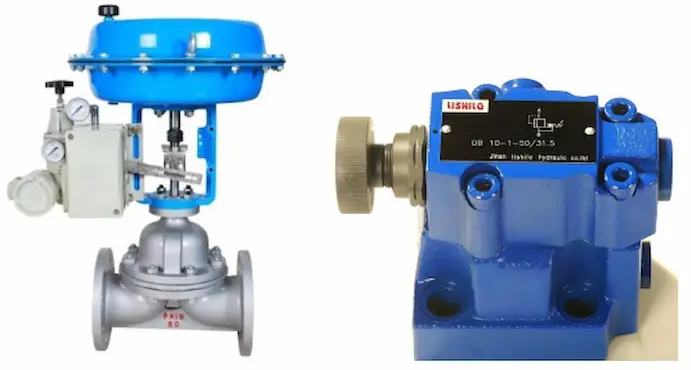
Compare pneumatic control valves and hydraulic valves by power medium, output force, response speed, control accuracy, maintenance, environmental risk, and application. Pneumatic control valves offer fast, clean, and relatively simple operation for chemical, food, pharmaceutical, and automated process systems, while hydraulic valves provide much higher actuation force and precise heavy-load control for mining, steel, heavy machinery, and other demanding applications.
Flanged Valves vs. Screwed Valves: How to Choose the Right Valve for Your Application
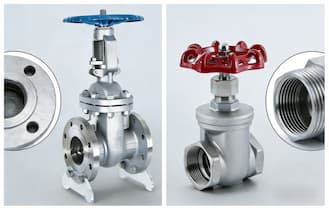
Compare flanged and screwed valves by connection type, pressure and temperature capability, sealing reliability, installation, maintenance, and cost. Flanged valves are better suited to large-diameter, high-pressure, high-temperature, corrosive, and frequently maintained industrial pipelines, while screwed valves provide a compact and economical solution for smaller, moderate-pressure water, air, HVAC, and general utility systems.
Industrial Valve Failures and Repair | Causes & Solutions
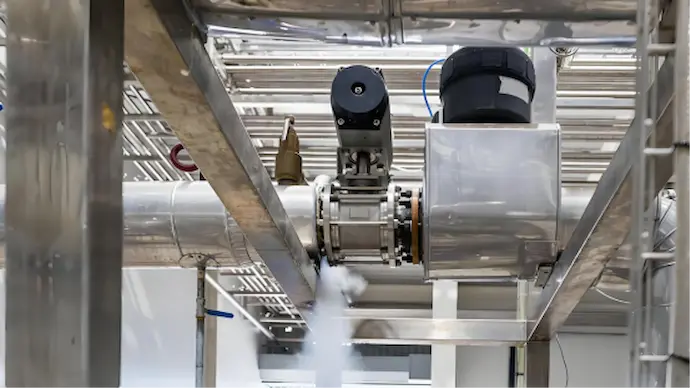
Learn the common causes of industrial valve failures and how to decide whether a valve should be repaired, refurbished, or replaced. The guide explains leakage, sticking, jamming, actuator failure, cavitation, erosion, material mismatch, sealing damage, predictive maintenance, inspection records, pressure testing, and root-cause analysis for improving valve reliability and reducing unplanned shutdowns.
Ductile Iron vs Cast Steel Valves | Material Selection Guide
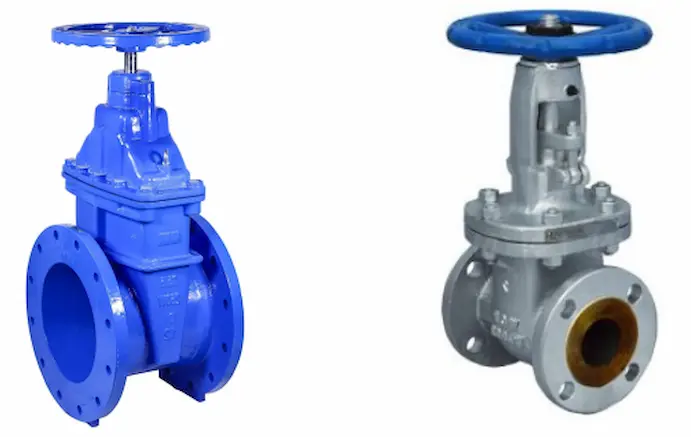
Compare ductile iron and cast steel valves by mechanical strength, pressure and temperature capability, corrosion protection, weight, cost, standards, and application. Ductile iron valves provide a lighter and more economical solution for water supply, wastewater, HVAC, and moderate-pressure systems, while cast steel valves offer greater strength and reliability for high-pressure, high-temperature, steam, oil and gas, petrochemical, and other demanding industrial services.
Gate Valve vs Butterfly Valve: Key Differences Explained
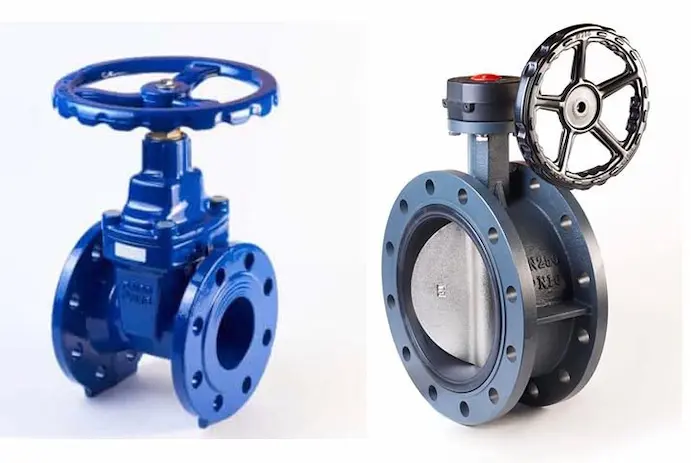
Compare gate valves and butterfly valves by operating mechanism, flow resistance, installation space, weight, cost, maintenance, and application. Gate valves provide full-bore flow and minimal pressure loss for high-pressure isolation and transmission pipelines, while butterfly valves offer compact construction, fast quarter-turn operation, easier automation, and economical control for water treatment, HVAC, cooling, and large-diameter piping systems.
Needle Valve vs Ball Valve: Full Comparison Guide
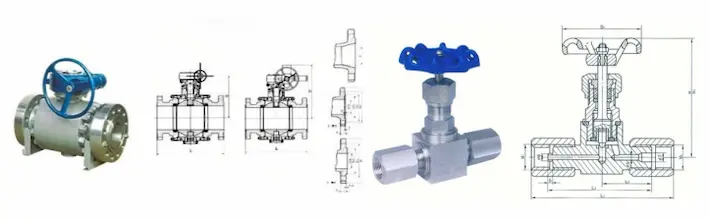
Compare needle valves and ball valves by flow-control precision, pressure drop, operating method, shutoff performance, and application. Needle valves provide fine, gradual adjustment for instrumentation, calibration, sampling, and low-flow control systems, while ball valves offer rapid quarter-turn operation, low flow resistance, and reliable isolation for water, oil, gas, and general industrial pipelines.
Globe Valves vs Gate Valves: Differences & Applications
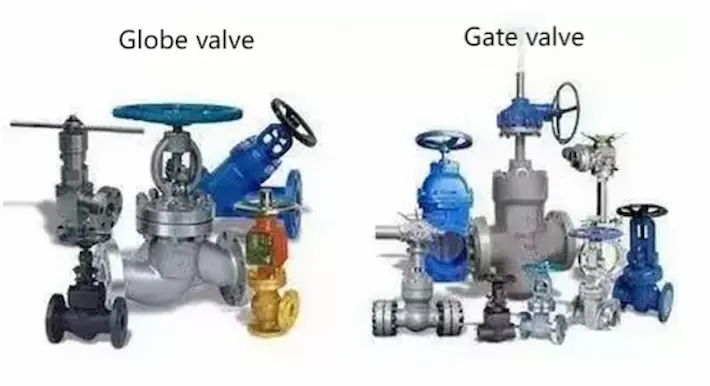
Compare globe valves and gate valves by flow path, throttling performance, pressure loss, operating frequency, sealing, and application. Globe valves provide accurate flow regulation and frequent operation for steam, fuel, and process-control lines, while gate valves offer straight-through flow and minimal pressure loss for full-open or full-closed isolation in water, fire-protection, and transmission pipelines.
How to Tell If a Valve Is Open or Closed: Position Indicator Guide
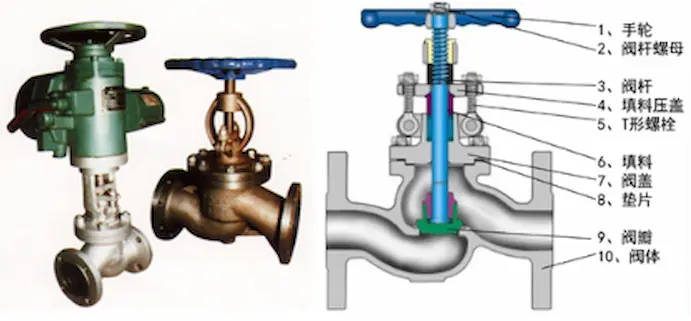
Learn how to determine whether a valve is open, closed, or partially open by checking handle direction, stem position, handwheel travel, actuator indicators, position feedback, flow response, and operating records. The guide explains common valve position indicators for ball valves, gate valves, globe valves, check valves, and automated valves, while highlighting inspection, maintenance, lockout/tagout, and safety practices that help prevent misoperation in industrial, HVAC, plumbing, and process systems.
Brass Check Valve Guide: Types, Applications and Selection
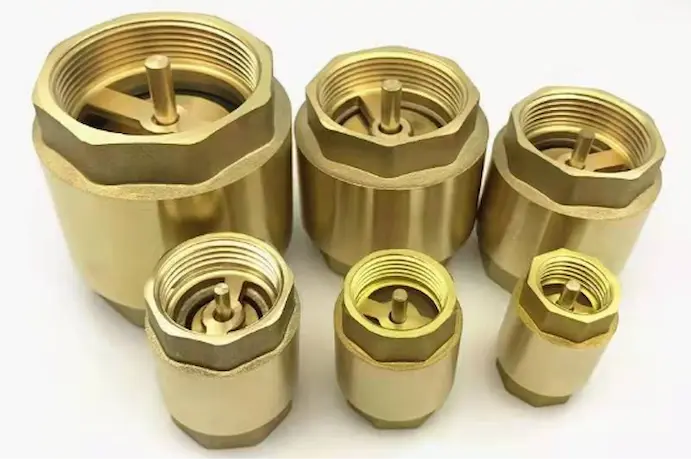
Learn how brass check valves prevent reverse flow in water, HVAC, plumbing, gas, and light industrial piping systems. The guide explains swing, lift, ball, and spring-loaded check valve types, brass and lead-free brass material considerations, pressure-temperature ratings, flow direction, installation orientation, debris sensitivity, pressure drop, maintenance inspection, and key selection factors for reliable backflow prevention.