
How Plug Valves Differ from Gate Valves
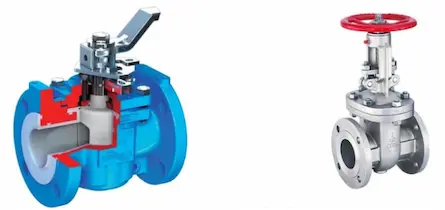
Compare plug valves and gate valves by operating motion, sealing structure, flow resistance, maintenance, and media compatibility. Plug valves provide fast quarter-turn shutoff and are well suited to viscous, dirty, or slightly abrasive fluids, while gate valves provide unobstructed full-bore flow with very low pressure loss for clean water, gas, steam, and general pipeline isolation.
Brass Ball Valve vs PVC Ball Valve: Engineersssing Insights for Modern Pipeline Systems
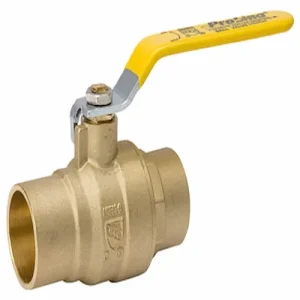
Compare brass and PVC ball valves by pressure and temperature capability, corrosion resistance, mechanical strength, weight, service life, and cost. Brass ball valves provide greater durability and sealing reliability for hot water, compressed air, HVAC, and pressure-cycling systems, while PVC ball valves offer lightweight, economical corrosion resistance for irrigation, swimming pools, water treatment, and compatible low-temperature chemical service.
High-Performance Industrial Valve Design and Manufacturing by Vcore Valve
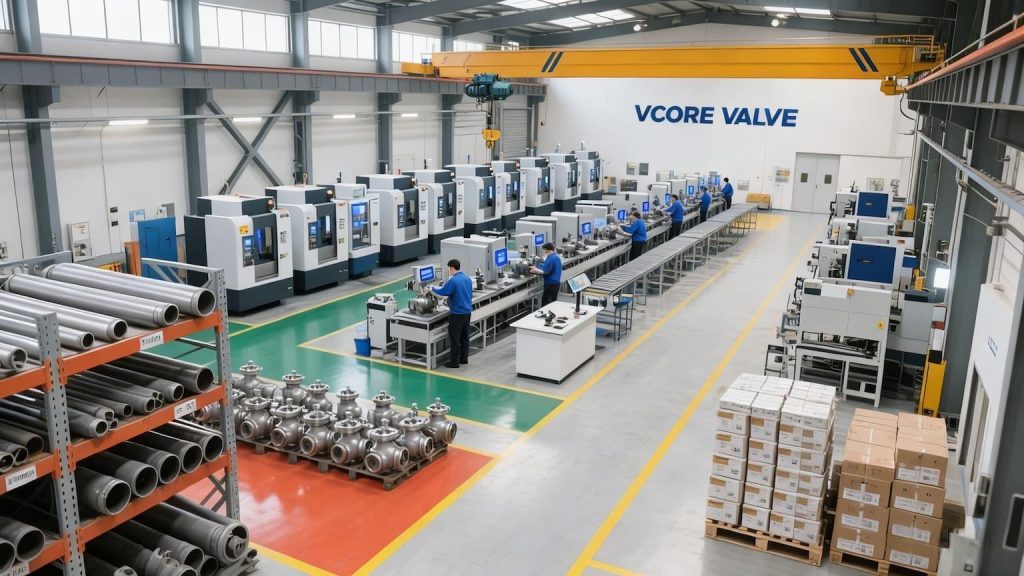
Learn how Vcore Valve supports industrial valve projects through custom valve design, material selection, manufacturing coordination, quality inspection, pressure testing, and application-based valve solutions. This page explains how high-performance ball valves, butterfly valves, gate valves, globe valves, check valves, control valves, and customized valve packages can be selected for oil and gas, chemical processing, water treatment, power generation, and demanding industrial pipeline systems.
Which is better, a Swing Check Valve or a Spring Check Valve?

Quick Summary When choosing between a swing check valve and a spring check valve, the decision often depends on specific application needs. Each type of valve has distinct advantages in terms of flow control, installation requirements, and maintenance. In this article, we’ll break down the key differences and help you choose the right valve for […]
What is the purpose of a stop valve?
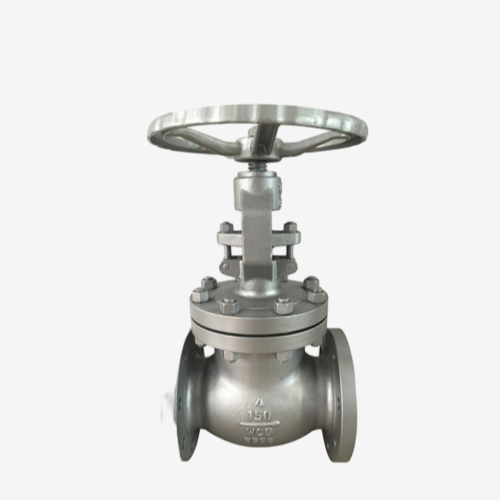
Quick Summary A stop valve is a critical component in many industrial systems, designed to control the flow of fluids in pipelines. Often used for emergency shut-off or isolating parts of a system, the stop valve ensures smooth and safe operation. In this article, we’ll explore the various functions, uses, and advantages of stop valves […]
How to adjust steam safety valves?
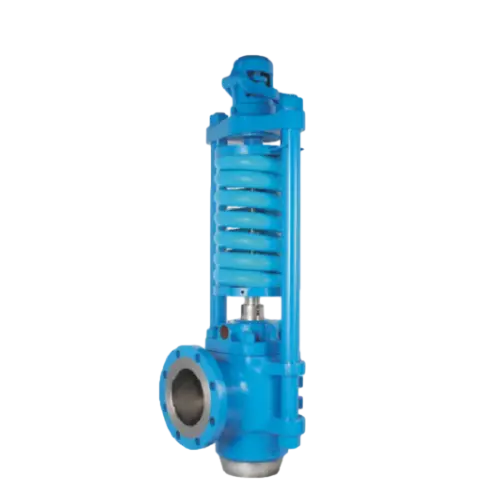
Quick Summary Steam safety valves are vital in protecting steam systems from overpressure, ensuring both safety and efficiency. Adjusting these valves properly is crucial for system performance and safety compliance. In this article, we’ll guide you through the process of adjusting steam safety valves, covering best practices, common issues, and tips for proper maintenance. Imagine […]
Which Valve Should Never Be Used for Flow Control?
Quick Summary flow control. Many valves excel at shut-off or isolation but falter when precise fluid regulation is needed. This guide breaks down which valves to steer clear of for flow management, explains the risks of poor selection, and highlights the top performers to keep your process system running smoothly. Imagine you are tasked with […]
Should Butterfly Valves Be the Control Valves in Your Process? | Benefits & Considerations
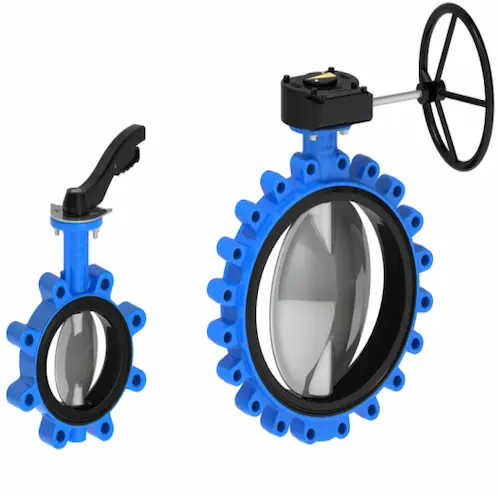
Quick Summary Butterfly valves are versatile flow control devices widely used in industries such as water treatment, HVAC, and chemical processing. But can they serve as the control valves in your process? In this article, we explore their performance, advantages, and limitations in control applications. Imagine a large manufacturing facility where precise flow control is […]
How PVC Valves Perform in Low-Pressure and Chemical Applications
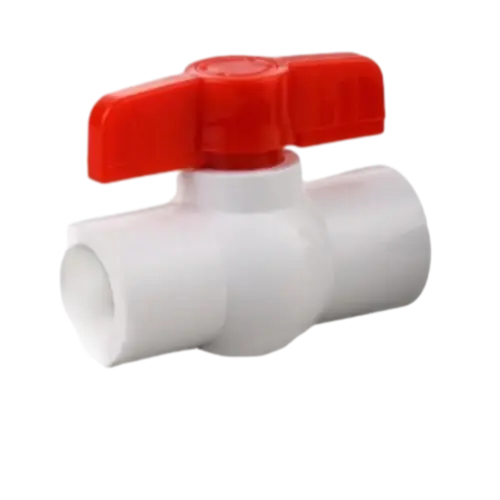
Quick Summary PVC valves are widely used in low-pressure systems and chemical applications due to their durability, chemical resistance, and cost-effectiveness. In this article, we explore how PVC valves perform under these conditions and why they are the preferred choice in many industrial settings. Imagine a chemical processing plant where fluids need to flow through […]
What are the 3 types of butterfly valves?-wafer, lug, and double flange butterfly valves
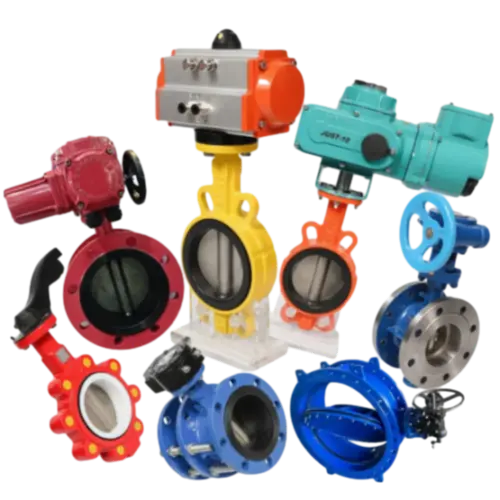
Quick Summary Butterfly valves are widely used for regulating flow in pipes. They come in three main types: wafer, lug, and double flange butterfly valves. Each type has unique features and applications depending on the system’s requirements. Understanding these differences will help you choose the right butterfly valve for your application. Imagine you’re designing a […]
Swing Check Valve vs Spring Check Valve: Which One is Best for Your System?
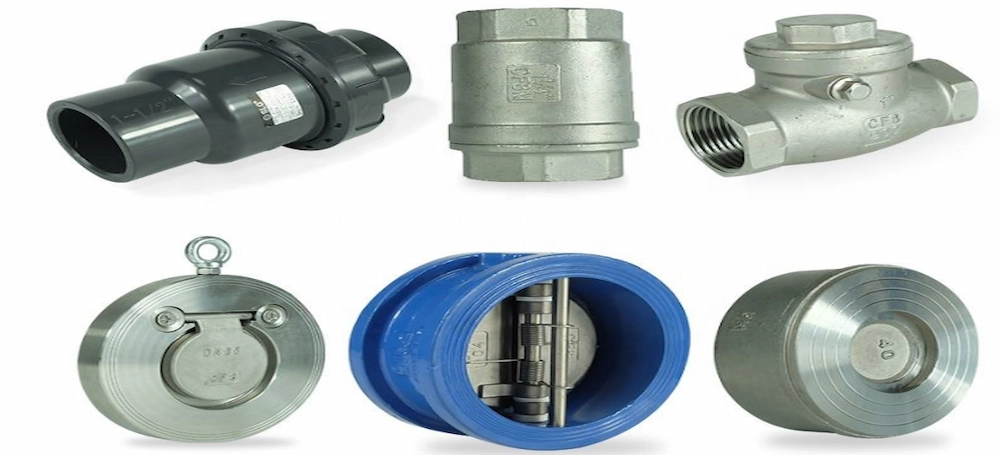
Compare swing check valve vs spring check valve by closing speed, pressure drop, vertical installation, pump discharge, water hammer risk and RFQ requirements.
Valve Maintenance Tips: Extend Service Life of Industrial Valves in 5 Steps
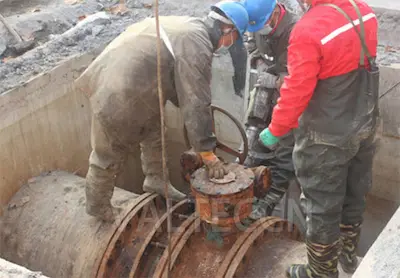
Quick Summary Industrial valves are the unsung heroes of manufacturing, oil, and gas sectors—yet their lifespan often shortens due to neglect. This guide breaks down 5 actionable valve maintenance tips to boost reliability, cut replacement costs, and extend the service life of your industrial valves. Scene Introduction: The Morning That Could’ve Been Avoided It’s 7 […]