
5 Common Lug Butterfly Valve Installation Mistakes and How to Avoid Them
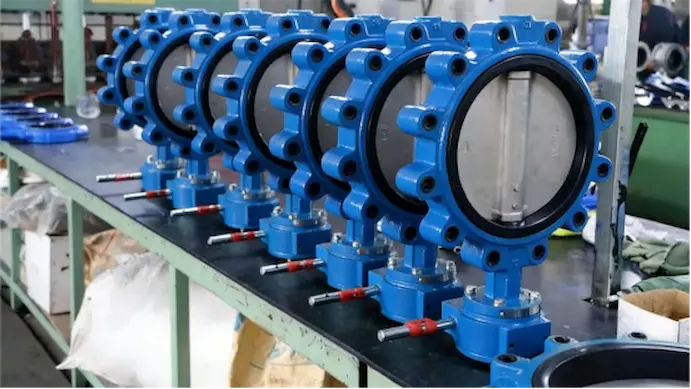
Learn the most common lug butterfly valve installation mistakes and how to avoid leakage, seat damage, excessive operating torque, flange misalignment, uneven bolt loading, piping stress, and end-of-line service problems. This guide explains correct disc position during installation, flange inspection, cross-bolt tightening, controlled torque, pipeline alignment, pressure-rating limits, manufacturer instructions, and commissioning checks for lug-type butterfly valves in industrial piping systems.
Wafer vs Lug Butterfly Valves: Differences & Uses

Compare wafer and lug butterfly valves by body design, installation method, pipeline isolation, end-of-line capability, maintenance flexibility, weight, and cost. Wafer butterfly valves provide a lightweight and economical solution for HVAC, water treatment, and general low- to medium-pressure systems, while lug butterfly valves allow one-sided pipeline disconnection and end-of-line service for industrial systems requiring easier maintenance and isolation.