
Isolation Valves vs. Gate Valves: What Is the Difference?
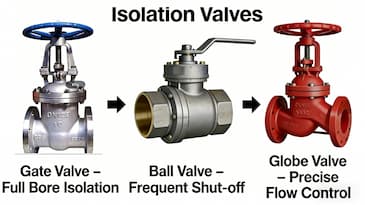
Compare isolation valves and gate valves by function, shut-off performance, flow resistance, operating frequency, maintenance, and application. Isolation valve is a broad category that includes gate, ball, butterfly, and globe valves, while gate valves are specifically designed for full-open or full-closed service with minimal pressure drop in large pipelines.
Plug Valve vs Ball Valve: Key Differences & Applications
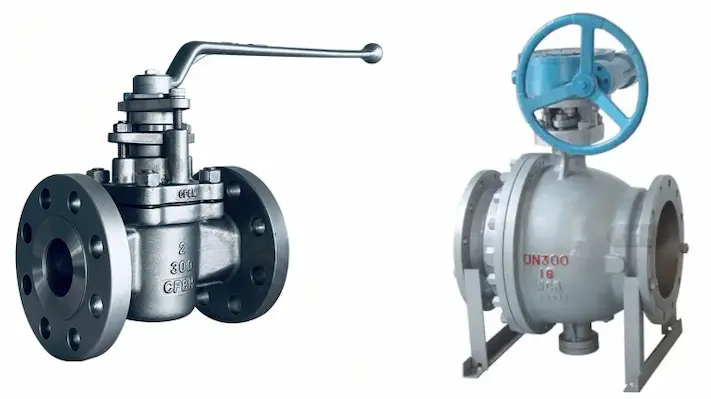
Compare plug valves and ball valves by closure design, sealing performance, pressure drop, operating torque, maintenance, and media compatibility. Ball valves provide tight shutoff, low flow resistance, and easy automation for water, oil, gas, and high-pressure pipelines, while plug valves are better suited to throttling, slurry, abrasive media, and corrosive heavy-duty services.
How to Tell If a Valve Is Open or Closed: Position Indicator Guide
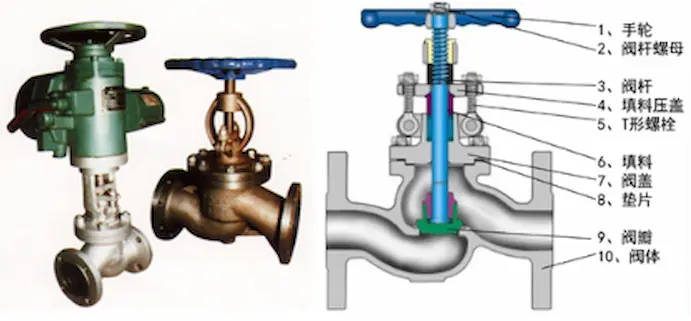
Learn how to determine whether a valve is open, closed, or partially open by checking handle direction, stem position, handwheel travel, actuator indicators, position feedback, flow response, and operating records. The guide explains common valve position indicators for ball valves, gate valves, globe valves, check valves, and automated valves, while highlighting inspection, maintenance, lockout/tagout, and safety practices that help prevent misoperation in industrial, HVAC, plumbing, and process systems.
Full Nozzle vs Semi Nozzle Pressure Relief Valves: How to Choose the Right Type?
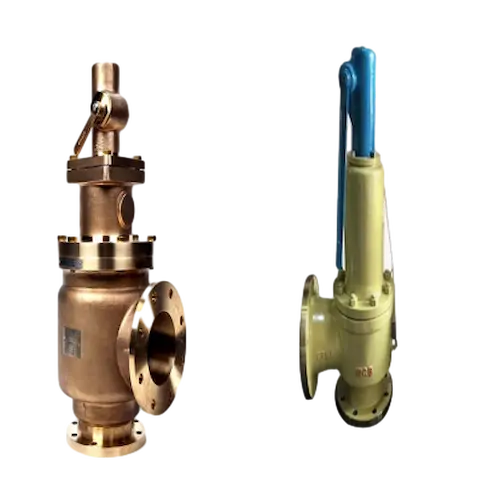
Quick Summary Pressure relief valves (PRVs) are crucial safety devices in industrial systems, and choosing the right type can make all the difference in system efficiency and safety. Full nozzle and semi nozzle pressure relief valves are two common designs, each with distinct features that make them suitable for different applications. In this article, we’ll […]
What is swing check valve
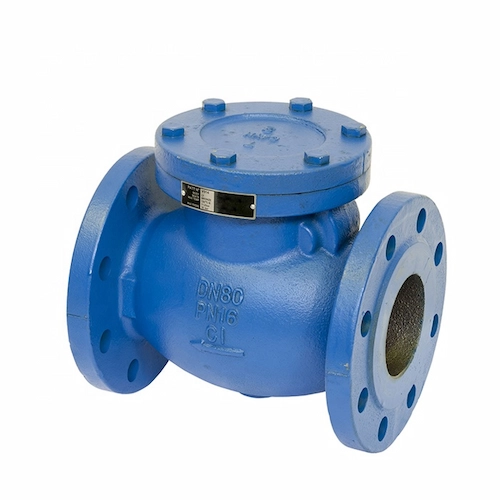
Quick Summary A swing check valve is a type of backflow prevention device used in pipelines to ensure unidirectional flow. The valve has a hinged disc that swings to allow flow in one direction, and swings back to close when flow reverses. This simple yet effective mechanism prevents backflow and protects systems from potential damage […]
Which is better, a Swing Check Valve or a Spring Check Valve?

Quick Summary When choosing between a swing check valve and a spring check valve, the decision often depends on specific application needs. Each type of valve has distinct advantages in terms of flow control, installation requirements, and maintenance. In this article, we’ll break down the key differences and help you choose the right valve for […]
6 Common Valve Fault Troubleshooting: Solve in 10 Minutes
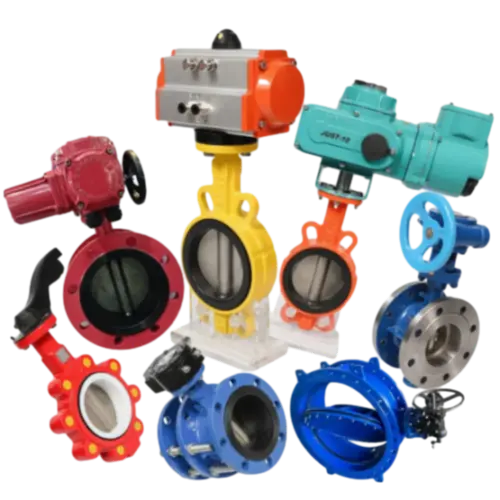
Quick Summary Valve Fault Troubleshooting doesn’t have to be a marathon; this guide breaks down 6 prevalent issues, simple diagnostics, and fixes that get your setup back on track in 10 minutes. User Pain Points Costly Downtime That Adds Up Every minute a valve is faulty, production grinds to a halt. Teams waste precious time […]
What is the purpose of a stop valve?
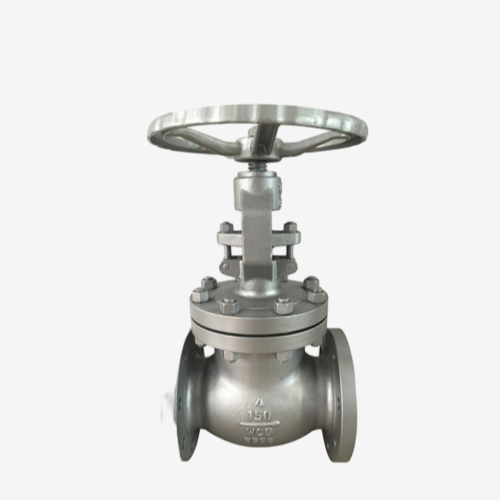
Quick Summary A stop valve is a critical component in many industrial systems, designed to control the flow of fluids in pipelines. Often used for emergency shut-off or isolating parts of a system, the stop valve ensures smooth and safe operation. In this article, we’ll explore the various functions, uses, and advantages of stop valves […]
How to adjust steam safety valves?
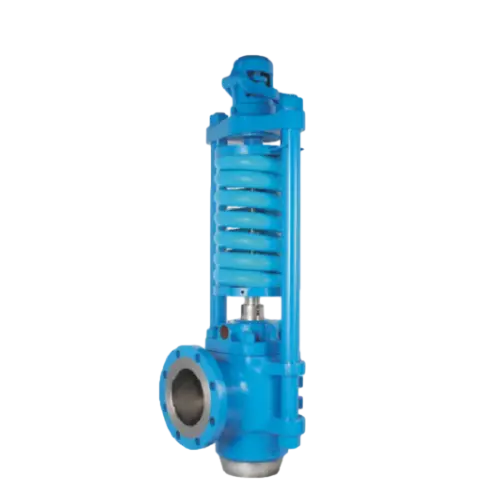
Quick Summary Steam safety valves are vital in protecting steam systems from overpressure, ensuring both safety and efficiency. Adjusting these valves properly is crucial for system performance and safety compliance. In this article, we’ll guide you through the process of adjusting steam safety valves, covering best practices, common issues, and tips for proper maintenance. Imagine […]
Swing Check Valve vs Spring Check Valve: Which One is Best for Your System?
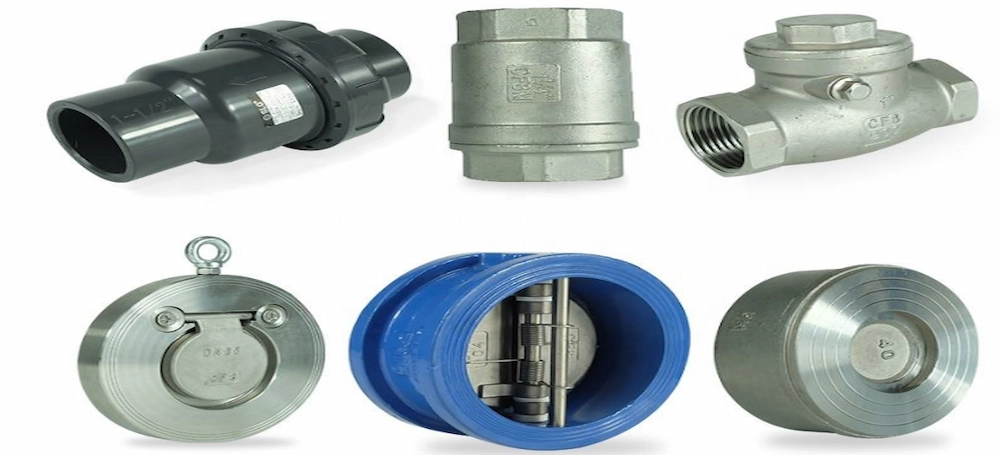
Compare swing check valve vs spring check valve by closing speed, pressure drop, vertical installation, pump discharge, water hammer risk and RFQ requirements.
Valve Maintenance Tips: Extend Service Life of Industrial Valves in 5 Steps
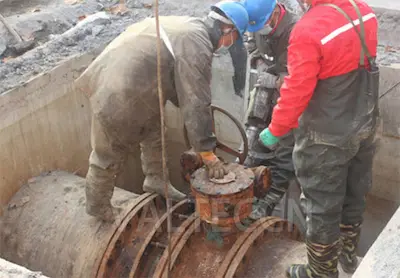
Quick Summary Industrial valves are the unsung heroes of manufacturing, oil, and gas sectors—yet their lifespan often shortens due to neglect. This guide breaks down 5 actionable valve maintenance tips to boost reliability, cut replacement costs, and extend the service life of your industrial valves. Scene Introduction: The Morning That Could’ve Been Avoided It’s 7 […]
Valve Needs Immediate Replacement: Proven Repair or Replace Guide
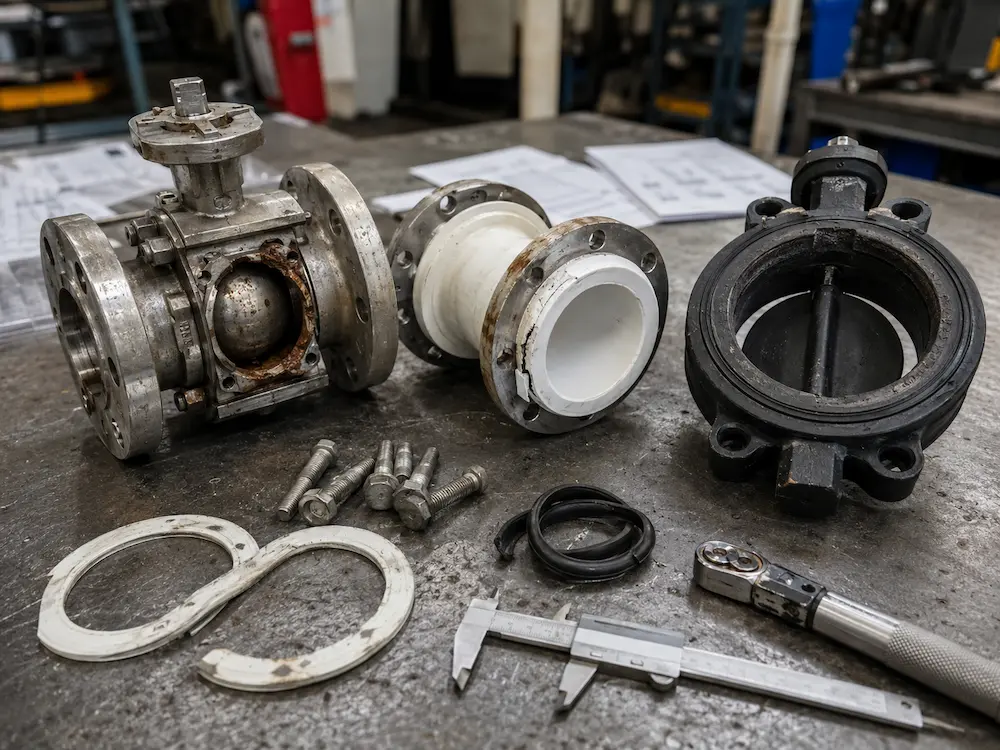
Decide whether an industrial valve should be repaired or replaced using failure evidence, service consequence, lifecycle cost, and a clearer RFQ specification.