
How Coatings Help Prevent Scaling on Gate Valves
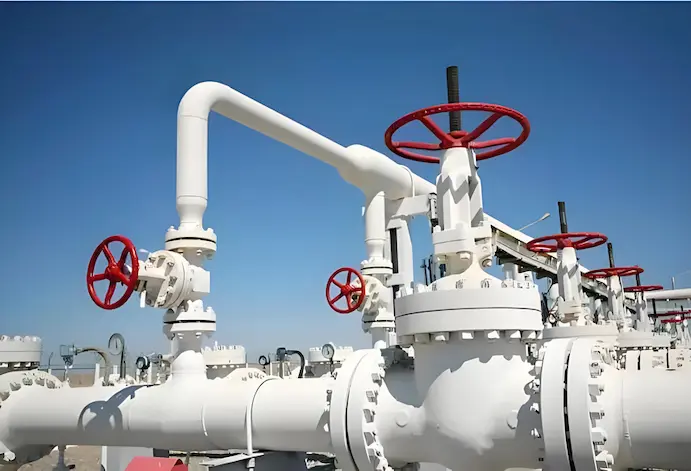
Learn how scaling affects gate valve operation in water treatment, industrial water, chemical, oil and gas, and mineral-rich pipeline systems. This guide explains how scale deposits can cause sticking, incomplete opening or closing, increased torque, leakage risk, and maintenance problems, while covering coating options such as epoxy, ceramic, and fluoropolymer coatings, fluid-chemistry control, inspection routines, cleaning practices, coating limitations, and key selection factors for coated gate valves.
Choosing Valves for Multiphase Flow: Key Considerations
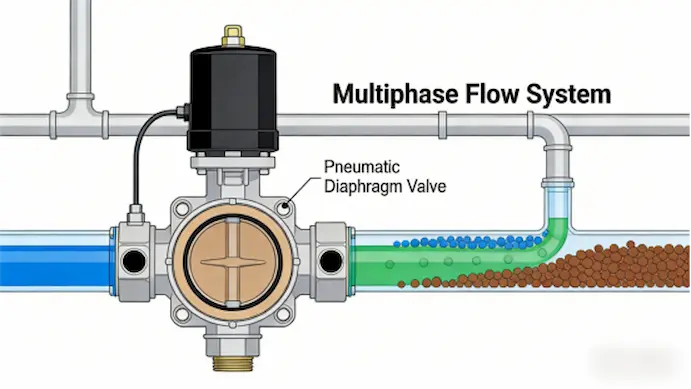
Quick Overview Selecting the right valves for multiphase flow is crucial for efficient and reliable system performance. Multiphase flow involves the simultaneous transportation of multiple phases (liquids, gases, or solids), which can present significant challenges. This article explores the key factors to consider when choosing valves for multiphase flow systems, highlighting the most suitable valve […]
Why Are Power Plant Valves So Expensive? Insights & Costs
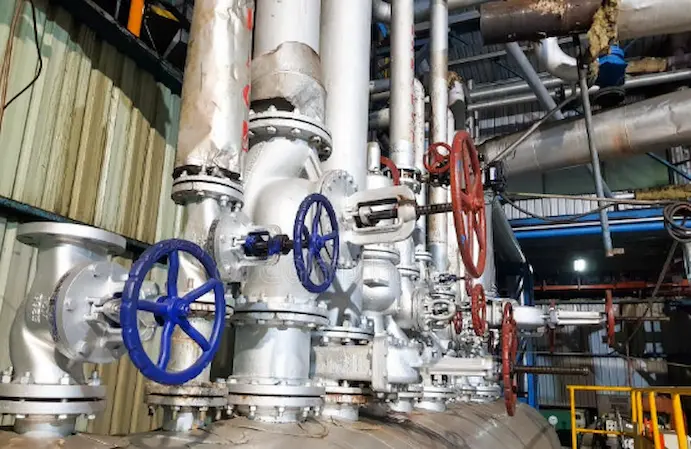
Quick Overview Power plant valves are integral components of any power generation system. They regulate steam, water, gas, and other fluids under extreme conditions. Due to their critical role and complex manufacturing process, these valves can be quite expensive. This article discusses the factors contributing to the high costs of power plant valves, including the […]
The Purpose of Bypass Valve: Functions and Applications
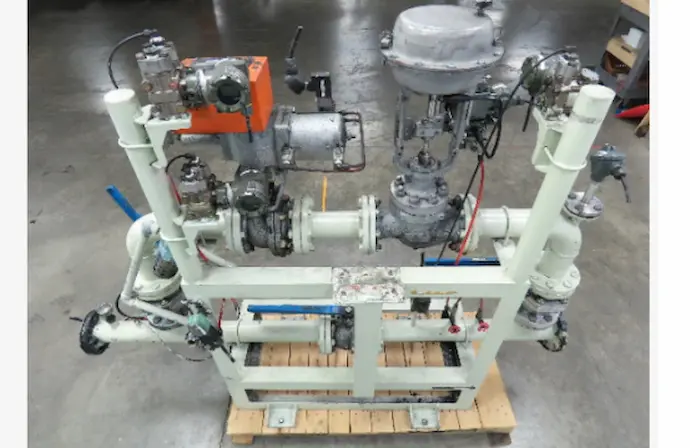
Quick Overview A bypass valve is an essential component in various industrial systems, designed to regulate flow and protect the main system from damage. By providing an alternate path for fluids, it allows for maintenance, pressure control, and the efficient operation of complex pipelines. This guide from Vcore Valve explains the key functions, applications, and […]
Installation Requirements for Cryogenic Valves: Best Practices and Tips
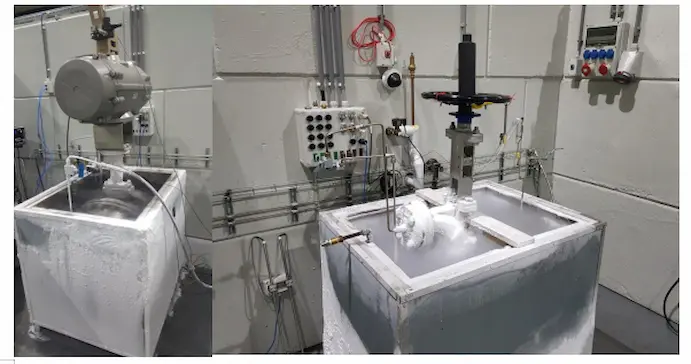
Learn the essential requirements for installing cryogenic valves in LNG, liquid oxygen, nitrogen, hydrogen, and other extremely low-temperature systems. The guide covers material and seal compatibility, valve orientation and pipeline alignment, leak and pressure testing, commissioning checks, and maintenance practices that help prevent leakage, cracking, operational failure, and premature valve damage.
Essential Tips for Installing Steam Traps in Industrial Systems
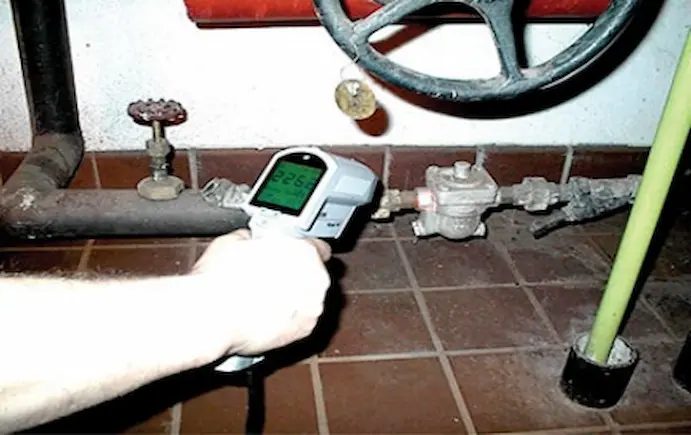
Learn how to install steam traps correctly for efficient condensate and non-condensable gas removal in industrial steam systems. The guide covers steam trap selection and sizing, installation orientation, common mistakes, routine inspection, and maintenance practices that help reduce steam loss, water hammer, equipment damage, energy consumption, and unplanned downtime.
Overview of Valve Bonnets: Crucial Parts of Industrial Valves
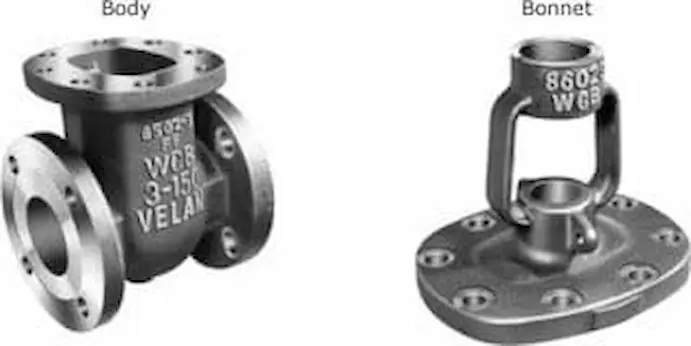
Learn how valve bonnets form the upper pressure boundary of industrial valves while supporting the stem, packing, sealing components, and operating mechanism. The guide compares bolted, welded, and union bonnet designs and explains how pressure, temperature, corrosion resistance, sealing integrity, material selection, and maintenance requirements affect bonnet selection and valve reliability.
Basic Knowledge and Measures for Valve Corrosion Prevention
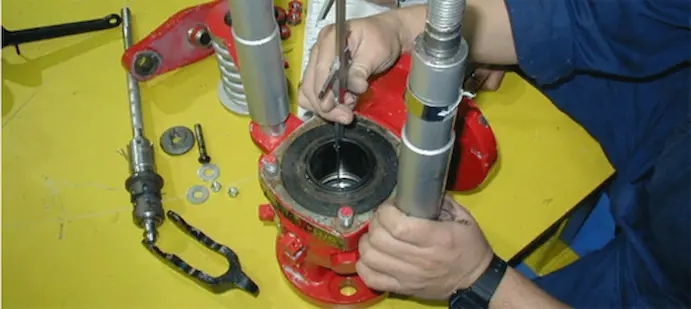
Learn what causes corrosion in industrial valves and how it can lead to leakage, reduced sealing performance, structural damage, and premature valve failure. The guide explains practical prevention measures, including service-compatible material selection, protective coatings, routine inspection, moisture control, and timely maintenance for water, chemical, gas, and corrosive process systems.
Parallel Slide Gate Valves: A Complete Guide
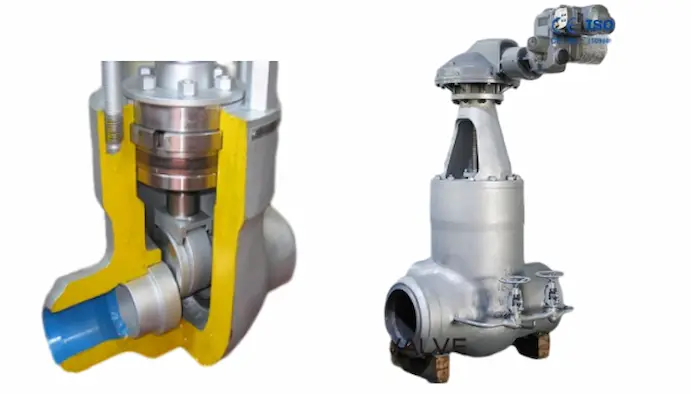
Learn how parallel slide gate valves use parallel discs, initial spring loading, and pipeline pressure to provide reliable isolation in high-pressure and high-temperature systems. The guide explains their working principle, low-flow-resistance design, resistance to thermal binding, key selection factors, and applications in steam, power generation, oil and gas, and industrial process pipelines.
Efficient Valve Selection to Minimise Downtime: Best Practices and Tips
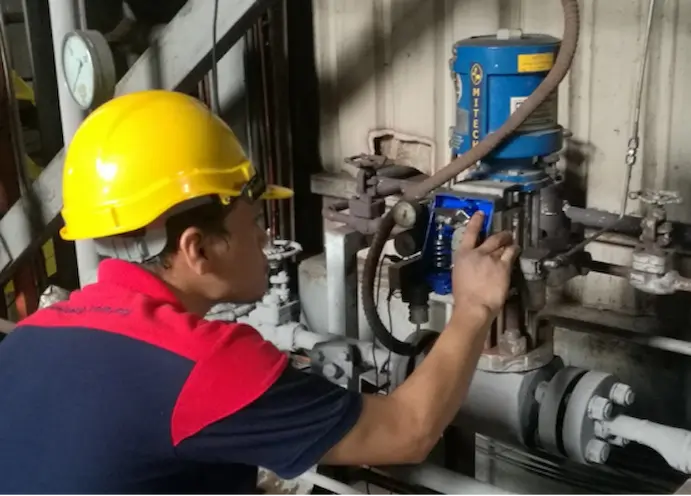
Learn how correct valve selection can reduce unplanned downtime, maintenance frequency, leakage, and premature equipment failure. The guide explains how fluid properties, pressure, temperature, flow rate, valve sizing, material compatibility, sealing performance, inspection, and preventive maintenance affect valve reliability and overall system efficiency.
Why Conventional Butterfly Valves May Be Unsuitable for Abrasive Dry Bulk Solids
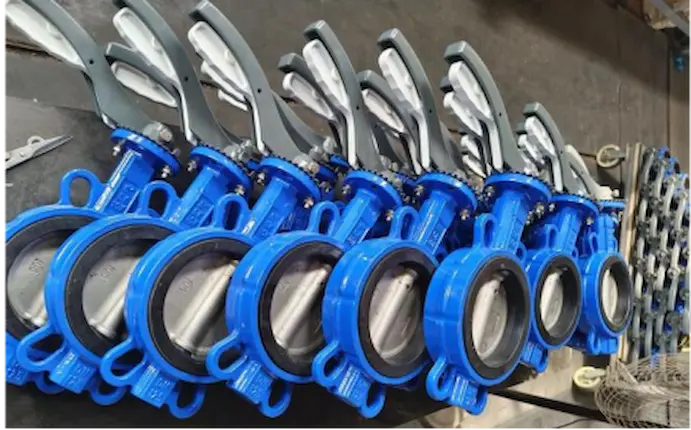
Learn why conventional butterfly valves may experience abrasion, particle packing, seat damage, flow restriction, and incomplete shutoff when handling dry powders and granular materials. The guide explains the limitations of standard butterfly valve designs and outlines key factors for selecting purpose-built bulk-solids valves, slide gates, rotary airlocks, or feeding equipment for cement, mining, food, and powder-processing systems.
What is Valve Body Galvanizing?
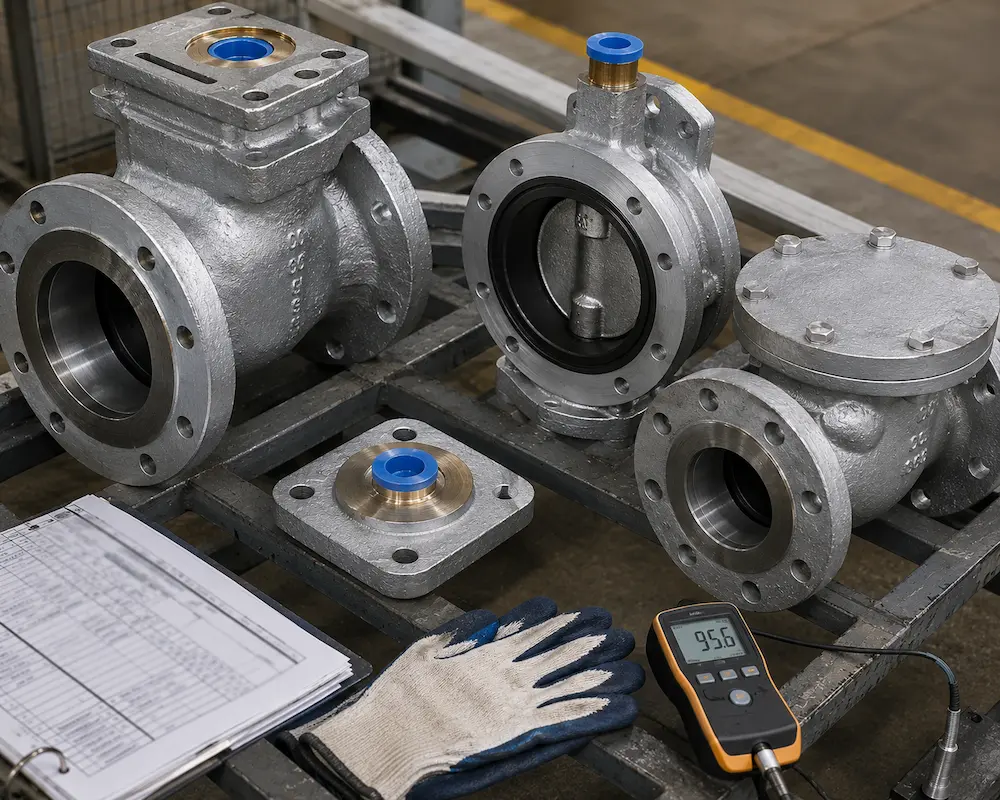
Learn how valve body galvanizing applies a protective zinc coating to suitable iron or steel components to improve resistance to atmospheric moisture and corrosion. The guide explains the protection mechanism, applicable materials and standards, coating limitations, inspection requirements, and key factors for determining whether galvanizing is suitable for a specific valve and operating environment.