
Brass Valves vs Bronze Valves: Key Differences
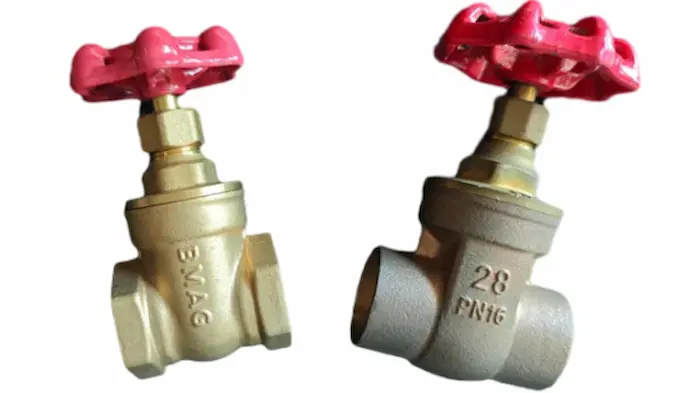
Compare brass and bronze valves by material composition, corrosion resistance, strength, cost, and typical applications. Brass valves are commonly selected for general water, air, and HVAC systems, while bronze valves offer better durability in seawater, marine, and more corrosive operating environments.
Vacuum Ball Valve vs Regular Ball Valve: Key Differences
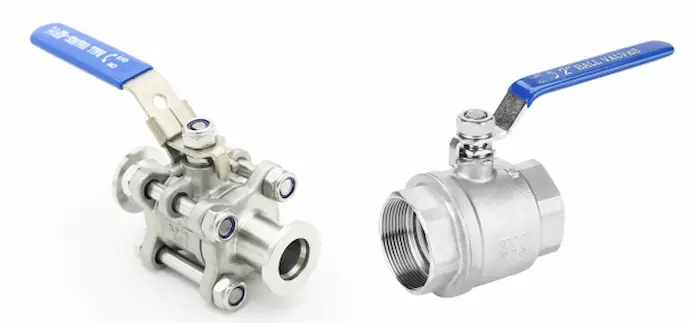
Compare vacuum ball valves and regular ball valves by sealing design, pressure conditions, leakage control, cost, and application. Vacuum ball valves provide tighter sealing for vacuum, laboratory, pharmaceutical, and packaging systems, while regular ball valves are generally more economical for pressurized water, oil, gas, and industrial pipelines.
Sanitary vs Industrial Valves: Key Differences and Applications
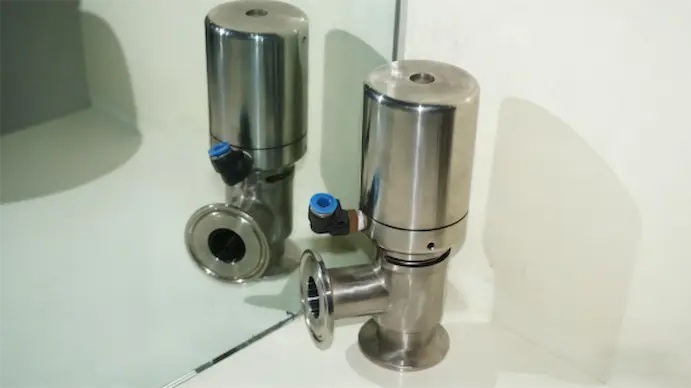
Compare sanitary and industrial valves by hygienic design, surface finish, materials, cleaning requirements, pressure capability, and application. Sanitary valves are designed for contamination-sensitive food, beverage, pharmaceutical, and biotechnology systems, while industrial valves prioritize durability, pressure resistance, and reliable operation in oil and gas, chemical processing, power generation, and water treatment.
Choosing Valves for Multiphase Flow: Key Considerations
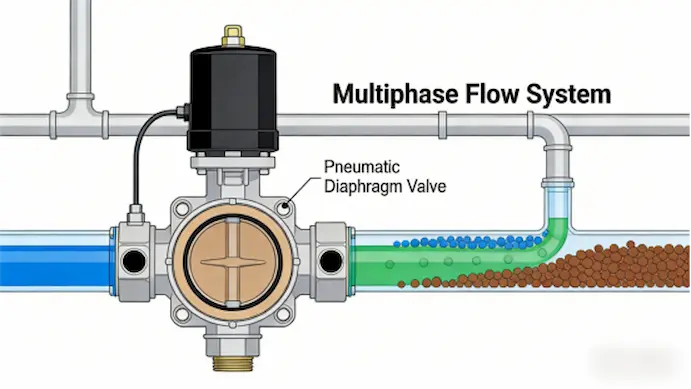
Quick Overview Selecting the right valves for multiphase flow is crucial for efficient and reliable system performance. Multiphase flow involves the simultaneous transportation of multiple phases (liquids, gases, or solids), which can present significant challenges. This article explores the key factors to consider when choosing valves for multiphase flow systems, highlighting the most suitable valve […]
Why Are Power Plant Valves So Expensive? Insights & Costs
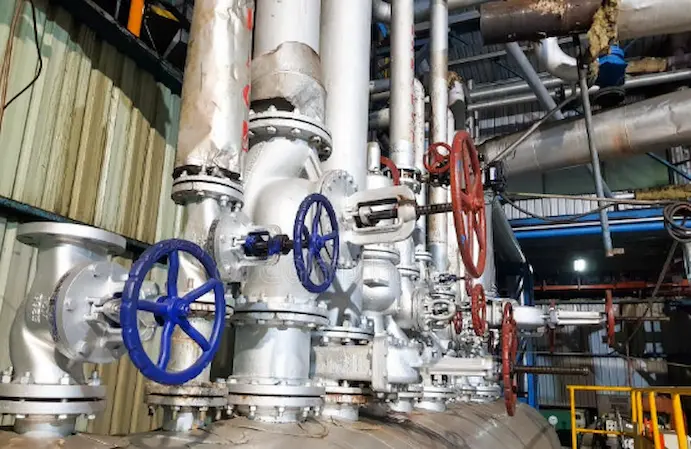
Quick Overview Power plant valves are integral components of any power generation system. They regulate steam, water, gas, and other fluids under extreme conditions. Due to their critical role and complex manufacturing process, these valves can be quite expensive. This article discusses the factors contributing to the high costs of power plant valves, including the […]
Best Valves for Seawater Applications
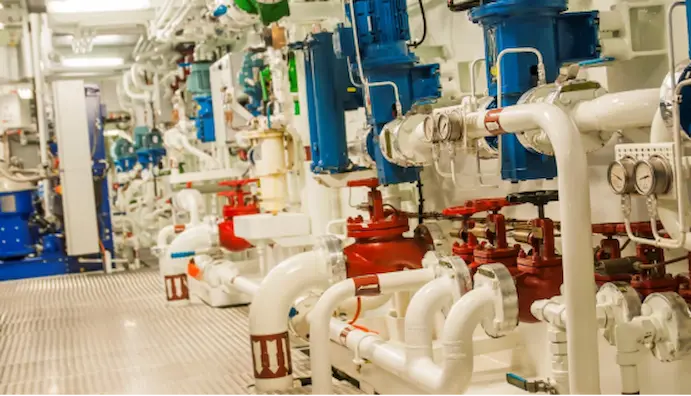
Valves for seawater applications need chloride corrosion review, suitable materials, lining or coating, and clear RFQ data for seawater valve selection.
What is Valve Body Galvanizing?
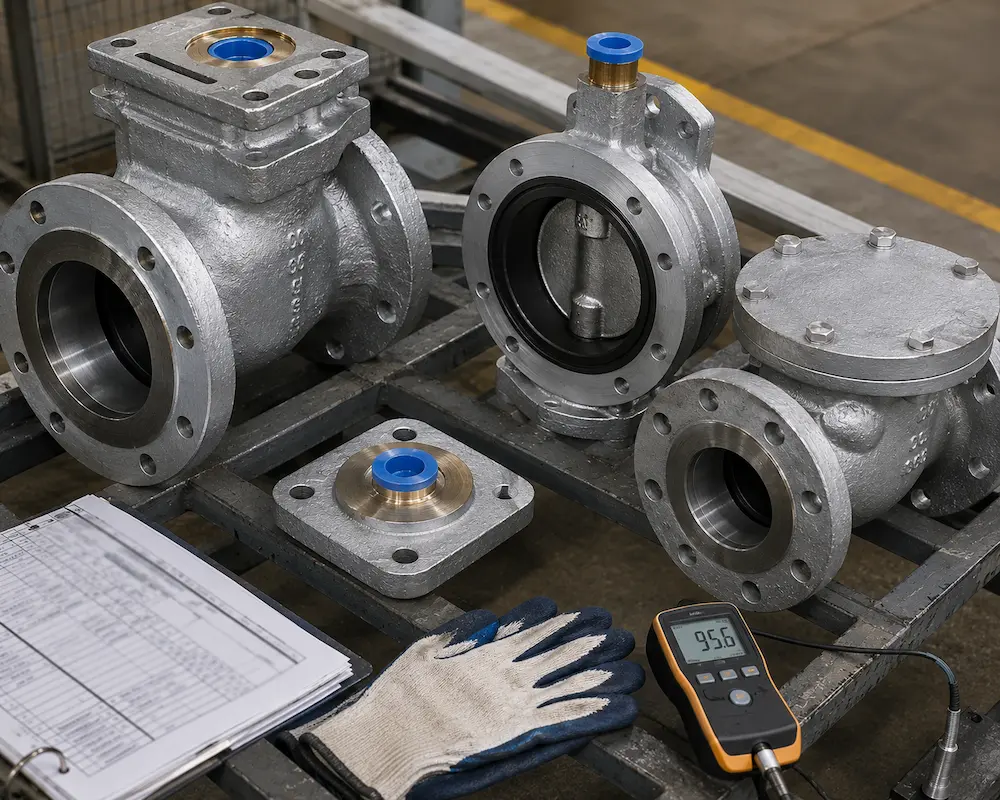
Learn how valve body galvanizing applies a protective zinc coating to suitable iron or steel components to improve resistance to atmospheric moisture and corrosion. The guide explains the protection mechanism, applicable materials and standards, coating limitations, inspection requirements, and key factors for determining whether galvanizing is suitable for a specific valve and operating environment.
Copper & Brass Raw Materials: Types, Grades & Uses
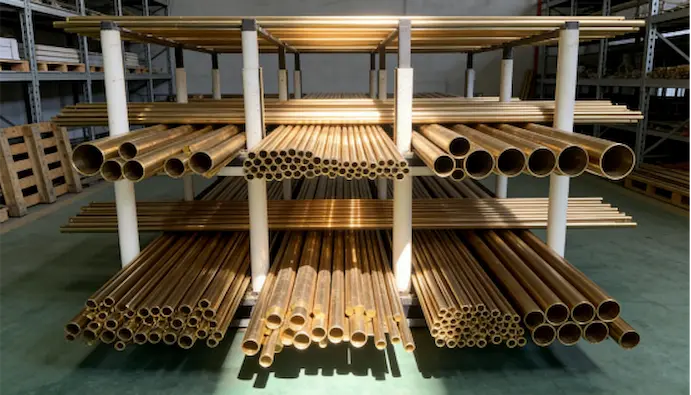
Explore copper and brass raw materials by alloy type, grade, strength, corrosion resistance, machinability, cost, and valve application. The guide explains pure copper, common copper alloys, alpha brass, alpha-beta brass, and dezincification-resistant brass, while outlining how water quality, pressure, temperature, certification, and material traceability affect valve material selection.