Quick Overview
Understanding the difference between a thermostat valve and a safety valve is essential for anyone working with heating systems, steam lines, boilers, or industrial process equipment. Although both valves play important roles in system protection and control, they serve fundamentally different purposes. At Vcore Valve, we often see confusion between these two valve types, which can lead to incorrect installation, safety risks, and performance issues. This guide explains their functions, working principles, applications, and how to choose the right one.
Opening Scenario: A Common Engineering Misunderstanding
“Can we just use a thermostat valve instead of a safety valve?”
“It controls temperature anyway, right?”
This question comes up more often than you might expect. Unfortunately, treating these two valves as interchangeable can lead to serious system failures—or worse, safety incidents.
Let’s clear the confusion once and for all.
User Pain Points
1. Confusing Control Valves with Safety Devices
Many buyers assume any valve that reacts to temperature or pressure can act as a safety valve. This is a dangerous misconception.
2. Incorrect Valve Selection Leads to System Risk
Using a thermostat valve where a safety valve is required can leave systems unprotected from overpressure events.
3. Lack of Standards Awareness
Different valves comply with different international standards. Ignoring this can cause compliance and inspection failures.
Solutions & Expert Recommendations
1. Separate “Control” from “Protection”
A thermostat valve controls operating conditions. A safety valve protects the system when those conditions exceed safe limits.
2. Match Valve Function to Risk Level
Operational control valves are not emergency devices. Safety valves must always function independently.
3. Choose Certified Valve Manufacturers
At Vcore Valve, all safety valves are tested and manufactured according to international pressure safety standards, ensuring reliability when it matters most.
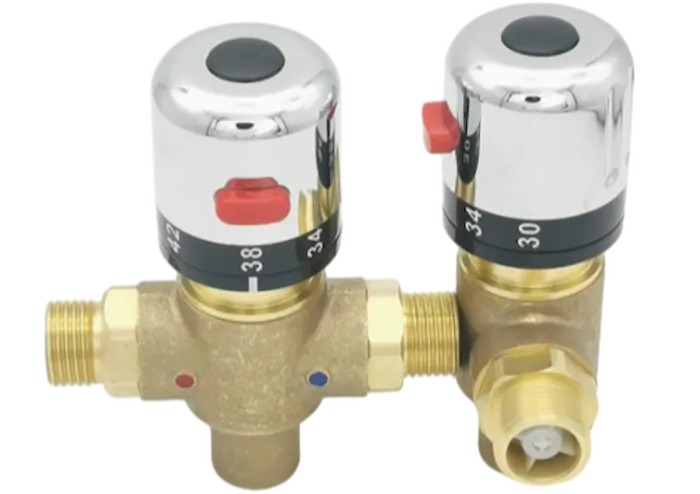
What Is a Thermostat Valve?
A thermostat valve, also called a thermostatic control valve, regulates flow based on temperature changes. It adjusts automatically to maintain a preset temperature.
Key Characteristics
-
Responds to temperature changes
-
Gradual opening and closing
-
Designed for control, not emergency relief
-
Often uses wax elements or thermal sensors
Typical Applications
-
Radiator heating systems
-
Domestic hot water systems
-
HVAC temperature control
-
Industrial heat exchangers
What Is a Safety Valve?
A safety valve is a critical protective device designed to automatically release pressure when it exceeds a preset limit.
Key Characteristics
-
Responds to pressure, not temperature
-
Instant full opening in emergency
-
Prevents explosions and equipment damage
-
Operates independently of system controls
Typical Applications
-
Boilers and steam systems
-
Pressure vessels
-
Compressors
-
High-pressure industrial pipelines
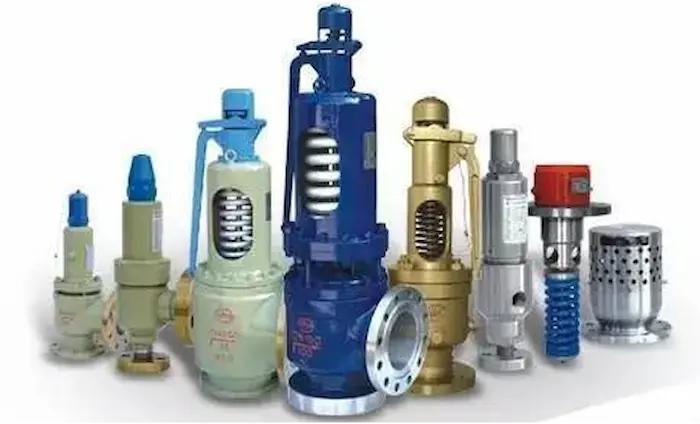
Thermostat Valve vs Safety Valve: Key Differences
| Aspect | Thermostat Valve | Safety Valve |
|---|---|---|
| Main Function | Temperature control | Overpressure protection |
| Trigger Mechanism | Temperature change | Pressure threshold |
| Response Speed | Gradual | Instant |
| Role | Operational control | Emergency safety |
| Failure Impact | Comfort or efficiency loss | Severe safety risk |
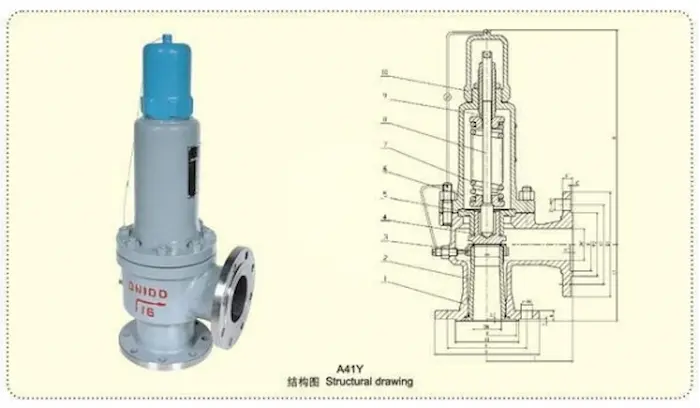
Case Studies from Vcore Valve
Case 1: HVAC System Upgrade
A commercial building replaced manual radiator valves with thermostat valves, improving energy efficiency by 18%. However, safety valves remained mandatory on the boiler system.
Case 2: Steam Boiler Protection
An industrial client attempted to rely on a temperature control valve alone. After inspection, Vcore Valve recommended certified pressure safety valves, preventing a serious compliance violation.
Data & Technical Insights
-
Safety valves typically activate within ±3% of set pressure
-
Thermostat valves operate within ±1–2°C temperature tolerance
-
Safety valves are governed by ASME, EN ISO, and PED standards
-
Thermostatic valves focus on comfort and efficiency, not risk mitigation
Market Trends & Industry Insights
-
Increasing enforcement of pressure safety regulations worldwide
-
Growing adoption of smart thermostat valves in HVAC systems
-
Strong demand for dual-certified safety valves in EU and Middle East markets
-
Shift toward integrated safety audits in industrial plants
Usage & Selection Tips
-
Use thermostat valves for temperature stability and energy savings
-
Never replace a safety valve with a control valve
-
Install safety valves at pressure-critical points
-
Regularly test and maintain safety valves
-
Verify certification and pressure ratings before installation
Conclusion & Call to Action
The difference between a thermostat valve and a safety valve is not just technical—it’s critical to system performance and safety. Thermostat valves optimise operation, while safety valves protect lives and equipment. They are not substitutes, but complementary components.
At Vcore Valve, we help engineers, contractors, and buyers choose the correct valve for every application.
👉 Contact Vcore Valve today for expert guidance, datasheets, and certified valve solutions.
FAQ
Q1: Can a thermostat valve replace a safety valve?
No. A thermostat valve is not designed for emergency pressure relief.
Q2: Does a safety valve control temperature?
No. Safety valves respond only to pressure, not temperature.
Q3: Are thermostat valves mandatory in heating systems?
They are recommended for efficiency but not legally mandatory in all regions.
Q4: How often should safety valves be tested?
Typically once per year, depending on regulations and operating conditions.
Q5: Can both valves be installed in the same system?
Yes. In fact, they often work together in safe and efficient systems.