Quick Summary
The petroleum industry relies on strict valve standards to ensure safety and efficiency. API 600 and API 6D are two critical standards, but they serve different purposes. Understanding their differences is key to obtaining the right valve certification and avoiding operational risks. This guide breaks down their roles, addresses common pain points, and offers actionable advice.
User Pain Points
Uncertainty About Standard Selection
Choosing the wrong one can result in valves that don’t meet industry requirements, forcing rework and delaying projects. Without clarity, teams risk investing in valves that won’t pass valve certification audits.
High Costs of Non-Compliance
Non-compliant valves can lead to severe consequences, including fines, operational shutdowns, and even safety incidents. A single mistake in valve certification can cost companies thousands of pounds in corrections and lost productivity.
Confusion About Certification Processes
The process of obtaining valve certification for API 600 or API 6D is often complex and opaque.

Solutions & Recommendations
Match Standards to Application
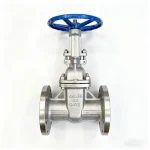
- API 600: Designed for gate valves in the petroleum, petrochemical, and natural gas industries. Ideal for static applications where valves are not frequently operated. Use this standard for valves in storage tanks or fixed equipment.
- API 6D: Focuses on pipeline valves (gate, ball, check, and butterfly valves) that require frequent operation and tight sealing. Essential for valves in transmission pipelines.
By aligning the standard with your application, you ensure your valves qualify for the correct valve certification from the start.
Partner with Certified Suppliers
Work with suppliers who have a proven track record of delivering API 600 and API 6D certified valves. Ask for third-party valve certification documents and verify their validity through official databases. This reduces the risk of purchasing non-compliant products. For example, suppliers listed on the API Q1 Certified Manufacturers Directory are more likely to provide reliable valve certification.
Invest in Employee Training
Train your team on the key differences between API 600 and API 6D, as well as the valve certification process. Knowledgeable teams are better equipped to make informed decisions and ensure valve certification compliance.
Case Analysis: Pipeline Project Success
A UK-based petroleum company recently faced a dilemma when sourcing valves for a new offshore pipeline. Initially, they selected API 600 valves, assuming they met all requirements. However, during a pre-installation audit, inspectors noted the valves lacked API 6D’s pipeline-specific features, such as pressure testing requirements. The company had to replace all valves, costing £250,000 and delaying the project by six weeks.
After this setback, the company implemented a new process: they now cross-reference each valve’s intended use with API 600/6D guidelines and verify valve certification with third-party auditors. For their next project, they chose API 6D-certified ball valves, which passed inspection on the first try, saving time and money. This case highlights the importance of matching standards to applications and verifying valve certification.
Data Analysis
| Feature | API 600 | API 6D |
| Valve Types | Gate valves only | Gate, ball, check, butterfly valves |
| Pressure Rating | Up to ASME Class 2500 | Up to ASME Class 2500 |
| Temperature Range | -29°C to 538°C | -29°C to 538°C |
| Key Requirement | Fire-safe design, heavy-duty construction | Pipeline-specific (e.g., full-bore, low torque operation) |
| Certification Focus | Static application compliance | Pipeline operation and sealing compliance |

Trends & Market Insights
A key trend is the rising demand for API 6D-certified valves, as governments tighten pipeline safety regulations. For example, the EU’s new Pipeline Safety Directive (2024) mandates valve certification to API 6D for all cross-border pipelines, increasing market demand for these valves.
Another trend is the adoption of digital valve certification systems. This technology is expected to be used by 78% of petroleum companies by 2026.
Best Practices & Usage Tips
- Always Verify Certification: Don’t rely on supplier claims—check valve certification documents against API’s official registry.
- Consider Future Needs: If a valve might be repurposed for a pipeline, choose API 6D for flexibility.
- Schedule Regular Audits: Conduct annual checks to ensure existing valves maintain their valve certification(standards are updated every 3–5 years).
- Use Compatible Accessories: Ensure valve actuators and seals also meet API standards to avoid certification issues.
FAQ
Q1: What is the main difference between API 600 and API 6D?
A1: API 600 applies only to gate valves for static applications (e.g., storage tanks), while API 6D covers multiple valve types (gate, ball, check, butterfly) for pipeline use. Valve certification for each standard focuses on its specific application requirements.
Q2: Can a valve be certified to both API 600 and API 6D?
A2: In most cases, no. The standards have distinct requirements—API 600 emphasizes fire safety for static use, while API 6D focuses on pipeline sealing. A valve would need to meet conflicting design criteria to qualify for both valve certification types.
Q3: How long does valve certification for API 600 or API 6D last?
A3: Certification is valid for the valve’s lifetime, but standards are updated every 3–5 years. If a standard is revised, you may need to recertify existing valves to meet new requirements.
Q4: What happens if I install a valve without proper valve certification?
A4: You risk fines, operational shutdowns, and safety incidents. Insurance companies may also deny claims for damage caused by non-certified valves.
Q5: How can I verify a supplier’s valve certification claims?
A5: Check the supplier’s credentials on the API website (external link: API Certified Products) or request a third-party audit report from bodies like UKAS.
Q6: Are API 600/6D standards recognized globally?
A6: Yes, they are the industry benchmark in most countries, including the UK, EU, USA, and Middle Eastern nations. Valve certification to these standards ensures global compliance.
Q7: What is the cost of valve certification for API 600 vs. API 6D?
A7: Costs vary by valve size and complexity, but API 6D certification is typically 15–20% more expensive due to its stricter pipeline requirements. However, this investment reduces long-term non-compliance costs.
Conclusion
Understanding the differences between API 600 and API 6D is critical for obtaining the right valve certification and ensuring operational safety. By matching standards to applications, partnering with certified suppliers, and investing in training, you can avoid costly mistakes and keep your projects on track.