Quick Overview
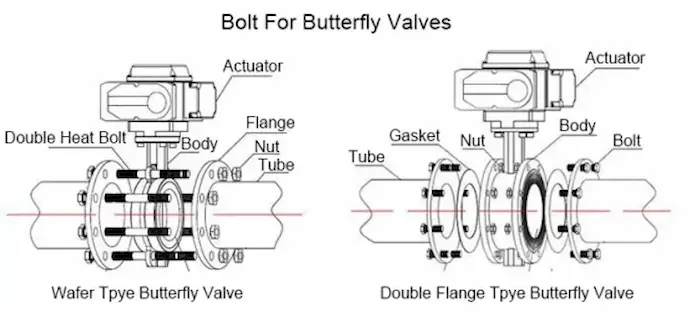
Proper valve installation is critical for the efficiency and longevity of industrial systems. In this guide, we focus on the installation of butterfly valves, a popular choice in numerous applications. We will dive into the bolt chart for butterfly valves, providing you with the necessary details to ensure a secure and leak-free installation. This guide also covers the key considerations for valve sizing, torque, and sealing.
Introduction: The Importance of Correct Valve Installation
In industrial systems, valve installation directly affects the performance, safety, and efficiency of the entire system. The butterfly valve is a preferred option due to its compact design, lightweight nature, and versatile usage. However, improper installation can lead to system failures, leaks, or frequent maintenance issues.
In this article, we’ll walk you through everything you need to know about the installation process of butterfly valves, including how to use the butterfly valve bolt chart effectively.
Key Pain Points in Valve Installation
-
Improper Sizing: Choosing the wrong size of a valve can lead to pressure losses, leaks, or even valve damage.
-
Incorrect Bolt Torque: Too much or too little torque during the valve assembly can lead to leakage or damage to the flange connections.
-
Sealing Issues: Failure to properly seal the valve can result in leakage and inefficiencies in the system.
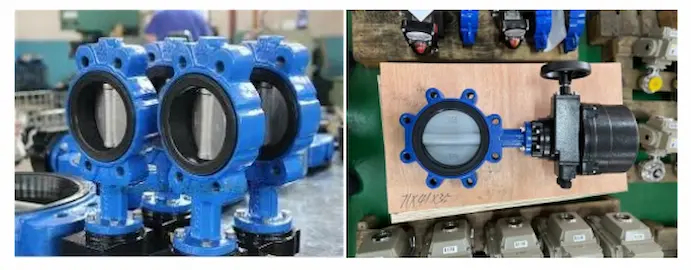
Solutions and Recommendations for Proper Valve Installation
-
Accurate Valve Sizing: Always ensure that the valve is sized correctly for the specific piping system. The right size will prevent pressure issues and ensure that the valve performs as expected.
-
Use the Butterfly Valve Bolt Chart: The butterfly valve bolt chart is a crucial tool in ensuring proper torque during installation. Use the chart to determine the correct bolt torque based on the valve size, material, and pressure rating. This will help in achieving a secure seal and prevent leaks.
-
Proper Sealing: Always use the appropriate gaskets and seals specified by the manufacturer to prevent leakage. Ensure that they are installed correctly and checked for wear regularly.
Case Study: Successful Butterfly Valve Installation in an Oil Refinery
In a recent project at an oil refinery, our team worked on installing butterfly valves in the piping system. By using the correct bolt torque as outlined in the bolt chart, we ensured a perfect seal and avoided potential issues like leakage. The correct valve size and proper assembly helped the refinery reduce downtime by 30% and increase overall system efficiency.
Outcome
The refinery was able to minimize maintenance costs and avoid unscheduled downtime, significantly improving operational performance.
Data and Scientific Analysis
| Valve Size (inch) | Bolt Torque (Nm) | Pressure Rating (PSI) | Torque Range |
|---|---|---|---|
| 2 | 10 | 150 | 8-12 |
| 4 | 20 | 250 | 18-25 |
| 6 | 30 | 350 | 28-35 |
| 8 | 50 | 450 | 45-55 |
The table above illustrates the recommended bolt torque values for different butterfly valve sizes based on their pressure ratings.
Trends and Market Insights
The valve installation market is evolving with advancements in technology, making butterfly valve installation quicker and more accurate. Engineers are now utilizing advanced tools such as digital torque wrenches and smart sealing technologies to further enhance the efficiency of valve installations. The growing demand for energy-efficient systems has also driven improvements in sealing technologies, making it crucial for manufacturers to stay updated with industry trends.
Style and Usage Suggestions
-
Ensure Precision in Torque Application: Always use a torque wrench to apply the recommended torque. Inaccurate torque can lead to either overtightening, which may damage the flange, or undertightening, which can result in leakage.
-
Consider Valve Material and Pressure Rating: The material and pressure rating of the valve should dictate the level of torque and type of gaskets used. Always consult the manufacturer’s guidelines before installation.
-
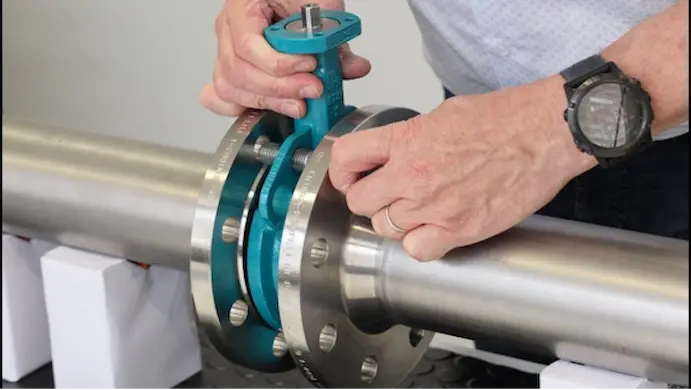
Perform Leak Testing After Installation: After installing the butterfly valve, conduct a pressure test to ensure the valve is fully sealed and free of leaks.
Conclusion
Proper valve installation is vital for maintaining the efficiency and safety of your piping systems. By following the guidelines for butterfly valve installation, using the bolt chart for accurate torque, and ensuring proper sealing, you can minimize maintenance costs and avoid unnecessary downtime. Remember, a well-installed valve is the key to a long-lasting and efficient piping system.
FAQs
1. What is the best way to install a butterfly valve?
Ensure that the valve is properly sized for the pipe, use the bolt chart to apply correct torque, and install the correct seals to prevent leakage.
2. Can I install a butterfly valve without using the bolt chart?
While it’s possible, using the bolt chart helps ensure the proper torque is applied, preventing leaks or flange damage.
3. How do I know the correct valve size?
The correct valve size depends on the pipe diameter and pressure rating. Consult with an engineer or the manufacturer for the exact size recommendation.
4. How often should I check the valve seals?
Check the seals periodically, especially in high-pressure systems, to ensure they are intact and prevent any leakage.
5. Why is valve torque so important?
Proper torque ensures that the valve is securely fastened, preventing leaks and damage to the piping system.