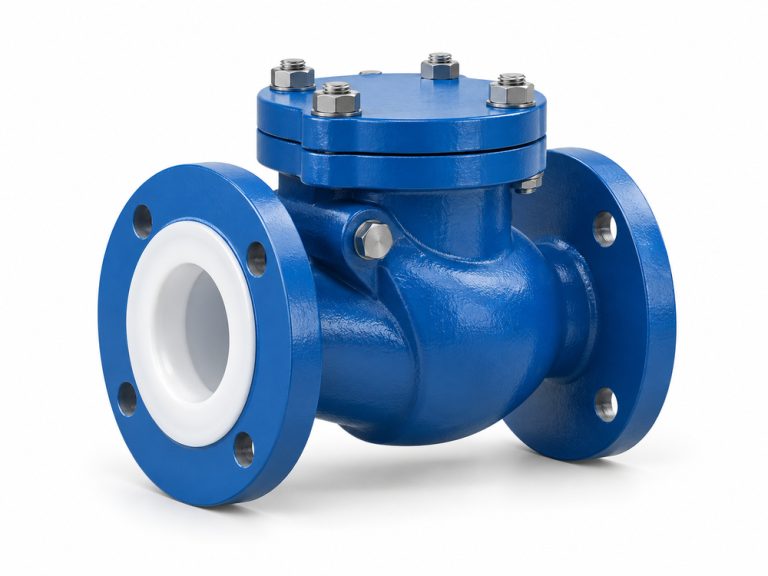
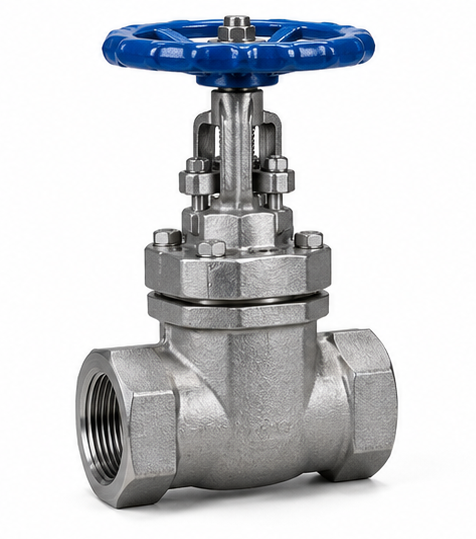
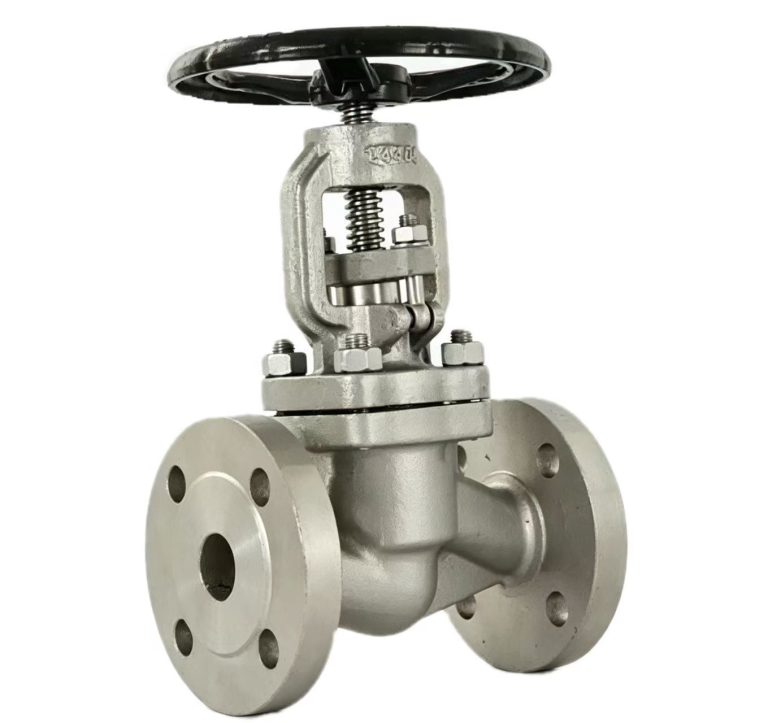
Quick Summary
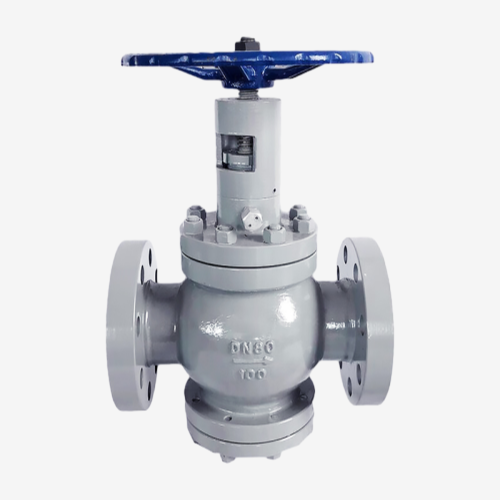
Throttle Emptying Stop Valve for controlled blowdown, drainage and isolation service. Vcore Valve reviews medium, pressure-temperature condition, throttling duty, materials, operation method and safety requirements according to the confirmed project datasheet.
Key Product Features
- Designed for controlled blowdown, drainage or stop service after application review.
- Flow path and seat design can be reviewed for throttling and erosion risk.
- Material selection can be matched to steam, water, condensate or process media.
- Manual or actuated operation can be selected according to safety and site access.
- Inspection and document requirements can be confirmed before production.
Throttle Emptying Stop Valve Overview
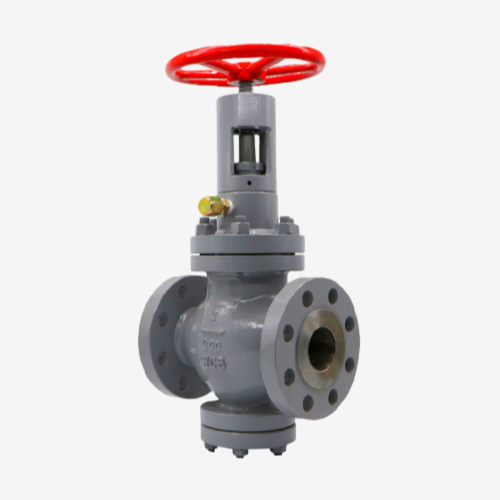
A Throttle Emptying Stop Valve is selected where a pipeline or vessel needs controlled drainage, blowdown or isolation during operation or maintenance. The valve must be reviewed for pressure release behavior, medium condition, erosion risk, discharge direction, operator safety and maintenance access.
Vcore Valve supports buyers by reviewing whether the valve is mainly used for throttling, stopping, draining, blowdown or a combined duty. Final dimensions, pressure class, temperature range and test standard should be confirmed only from the selected model datasheet and purchase specification.
Product Configuration
| Configuration Item | Common Configuration | Project Options |
|---|---|---|
| Valve Type | Throttle emptying stop valve | Configuration depends on blowdown duty and selected model |
| Main Function | Controlled drainage, blowdown and isolation | Not all designs are suitable for continuous severe throttling |
| Flow Path | Reviewed for discharge and erosion behavior | Confirm direction, drainage point and downstream condition |
| Seat / Trim | Selected according to pressure drop and medium | Special trim only when confirmed by service |
| Operation | Manual, gear, pneumatic or electric | Selected by safety, frequency and access |
| Project Support | Datasheet and drawing review | Material, test and marking documents according to order scope |
Technical Specifications
| Specification Item | Typical / Available Options | Selection Note |
|---|---|---|
| Product Type | Throttle emptying stop valve | For drainage, blowdown or isolation service after review |
| Size | Available according to project pipeline requirement | Confirm selected model before quotation |
| Pressure Rating | Project-specific rating after confirmation | Do not assume by old URL wording |
| Body Material | Carbon steel, stainless steel, alloy or specified material | Review pressure, temperature and corrosion risk |
| Trim / Seat | Selected by throttling duty and medium | Erosion risk should be considered |
| Connection | Flanged, welded or threaded as applicable | Confirm standard and installation details |
| Inspection | Pressure test, seat test and documents as required | Special test requirements must be stated in the order |
Exact size, pressure rating, material, connection standard, leakage test requirement and inspection scope should be confirmed from the selected model datasheet before ordering. When the working medium is corrosive, abrasive, toxic, flammable, very hot or very cold, material confirmation is more important than a generic catalog description.
How Controlled Blowdown Service Is Reviewed
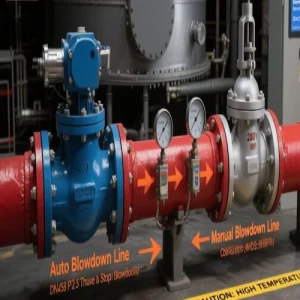
Blowdown and drainage service can expose the valve to pressure drop, flashing, steam, hot water, solids or erosion depending on the system. A suitable valve should be reviewed together with downstream discharge conditions and operator safety requirements.
The selected valve should match the expected operating frequency. A valve used only for maintenance isolation may need a different configuration than a valve used for frequent controlled blowdown.
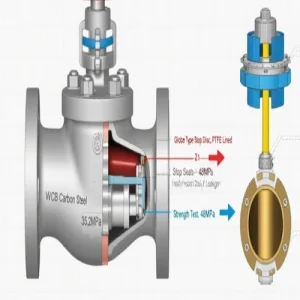
- Confirm medium, pressure, temperature and flow direction before quotation.
- Match body, trim, seat, gasket and packing materials to the confirmed service.
- Review operation method, installation space and maintenance access early.
- State special cleaning, coating, testing or documentation requirements in the purchase specification.
Blowdown Valve vs General Stop Valve
A general stop valve may isolate a line, but blowdown duty can require additional review.
| Comparison Item | Throttle Emptying Stop Valve | Alternative Valve / Design | Buyer Note |
|---|---|---|---|
| Service Duty | Drainage, blowdown and controlled discharge | General open-close isolation | Confirm whether throttling or pressure release is required. |
| Erosion Risk | May face high velocity or pressure drop | Usually less severe | Seat and trim need review for blowdown service. |
| Safety Review | Discharge direction and operation access are important | Basic isolation review | Operator safety should be considered before selection. |
| Maintenance | Seat and packing inspection may be more frequent | Routine service interval | Frequency depends on medium and blowdown cycle. |
| Quotation Data | Requires discharge condition and cycle details | Requires line data | Provide process condition, not only size. |
Throttle Emptying Stop Valve Selection Checklist
The valve should be selected by blowdown duty, discharge condition and operating frequency.
| Selection Factor | Why It Matters | What Buyers Should Confirm |
|---|---|---|
| Medium | Steam, condensate, water or process fluid affects material | Fluid name, cleanliness and temperature condition |
| Pressure Drop | High pressure drop can cause erosion or noise | Upstream and downstream pressure condition |
| Operating Frequency | Frequent blowdown increases wear | Cycle frequency and operation duration |
| Discharge Direction | Affects safety and piping layout | Outlet direction, drain line and safe discharge point |
| Operation Method | Manual access may be unsafe in some layouts | Handwheel, gear, pneumatic or electric operation |
Seat, Sealing and Maintenance Considerations
The sealing system should be reviewed as a complete package. Body material, trim material, seat design, gasket, packing, bolting, operation frequency and maintenance access all affect service life. For demanding media, the selected model datasheet should be checked before any fixed performance claim is published.
- Confirm whether the valve is for occasional drainage or frequent blowdown.
- Review trim and seat material when pressure drop or solids are present.
- Do not claim fixed leakage class or test standard without selected-model confirmation.
- Confirm safe discharge direction and operator access before installation.
Typical Applications
Throttle Emptying Stop Valve can be used in the following types of industrial service after the actual working condition is confirmed.
- Boiler blowdown and drain lines after review
- Steam and condensate drainage points
- Process vessel or pipeline draining
- Maintenance isolation with controlled discharge
- Utility systems requiring safe drainage control
Application Limits
- Not every stop valve is suitable for severe throttling or blowdown.
- Do not publish fixed DN, Class, PN or temperature range without datasheet confirmation.
- High velocity discharge may require special trim or downstream piping review.
- Operator safety and discharge location must be confirmed by the project team.
Engineering Notes for Buyers
For project purchasing, the safest valve selection is made before the purchase order is released. A product name alone is not enough. Buyers should confirm process medium, pressure, temperature, flow behavior, installation orientation, connection standard, operation method, inspection requirement and export documentation needs.
Match the Valve to Real Working Conditions
The same valve type can behave differently in clean water, steam, slurry, chemical service, gas service or temperature-sensitive media. The valve should be selected according to real process conditions, not only by nominal size.
Review Material Compatibility Early
Body, trim, seat, gasket, packing and bolting materials should be checked together. If the medium is corrosive, abrasive, oxygen-related, hazardous, high temperature or low temperature, material suitability should be confirmed from the project datasheet.
Confirm Operation and Maintenance Access
Manual operation may be enough for small valves or low-frequency use. Gear, electric or pneumatic operation may be needed for larger valves, remote locations or repeated cycling. Maintenance access should also be considered before finalizing the configuration.
Use Documentation to Reduce Procurement Risk
Drawings, test reports, material certificates, inspection records, nameplate information and packing documents help buyers confirm that the delivered valve matches the approved requirement before shipment.
Common Selection Mistakes to Avoid
- Selecting only by nominal size without confirming medium and duty.
- Copying fixed pressure, temperature or standard claims from an old URL or generic catalog.
- Ignoring seat, gasket, packing or trim materials while only checking the body material.
- Using a shut-off valve for severe control duty without technical confirmation.
- Confirming the order before checking drawings, documents and installation orientation.
Ordering Workflow for Project Buyers
| Step | Buyer Input | Vcore Valve Review Focus |
|---|---|---|
| 1. Application Review | Medium, pressure, temperature, flow direction and valve function | Valve type, material direction and service suitability |
| 2. Drawing Confirmation | Size, connection standard, face-to-face requirement and installation space | Outline drawing, port direction and operation method |
| 3. Material Review | Body, trim, seat, gasket, packing and bolting requirements | Compatibility with medium and working condition |
| 4. Test and Document Scope | Pressure test, seat test, certificates and inspection records | Confirm documents before production |
| 5. Shipment Preparation | Nameplate, marking, packing and export requirement | Final photos and packing details according to order scope |
Why Work With Vcore Valve
Vcore Valve focuses on industrial flow control products for project buyers, distributors and engineering teams. We can help review service conditions, provide practical valve selection suggestions, prepare technical documents and support export packing requirements for confirmed orders.
Inspection and Documentation
| Inspection / Document | Purpose | When to Request |
|---|---|---|
| Material Test Certificate | Confirms material grades and traceability for pressure-containing and wetted parts | When material traceability is required |
| Dimensional Inspection | Checks important dimensions against approved drawing | Before shipment or third-party inspection |
| Pressure Test Report | Confirms pressure and seat test records according to order scope | For project documentation packages |
| Visual and Coating Inspection | Checks appearance, coating, marking and nameplate | Before packing and export |
| Packing List and Export Marking | Supports logistics and site receiving | For export shipments and project warehouses |
Information Required for Valve Selection
- Medium, pressure and temperature condition
- Blowdown frequency and discharge duration
- Upstream and downstream pressure condition
- Connection standard and installation orientation
- Material, operation method, safety and documentation requirements
Related Valve Resources
Review related valve pages that are technically closer to this product family:
Standards and Documentation References
For engineering terminology and valve specification context only, buyers may review ASME B16.34 valve standards information. Final standard compliance, size range, pressure class, temperature range and leakage test requirement must be confirmed from the selected model datasheet and purchase specification.
FAQ
What is a Throttle Emptying Stop Valve used for?
It is used for controlled drainage, blowdown and isolation service after the pressure, medium and discharge condition are reviewed.
Can it be used for continuous throttling?
Continuous severe throttling should be confirmed with the selected design and service conditions before ordering.
What information is important for selection?
Medium, upstream pressure, downstream pressure, temperature, discharge direction, operating frequency and material requirements are important.
Why is discharge direction important?
Blowdown service can involve hot fluid, steam, pressure release or noise, so safe discharge direction and operator access must be reviewed.
Can Vcore Valve provide documentation?
Vcore Valve can support drawings, material certificates, pressure test reports and packing documents according to order scope.
Practical Takeaway
A reliable Throttle Emptying Stop Valve purchase starts with confirmed working conditions, not with a fixed catalog claim. Share the project datasheet with Vcore Valve so the valve configuration, materials, operation method and documentation scope can be reviewed before production.